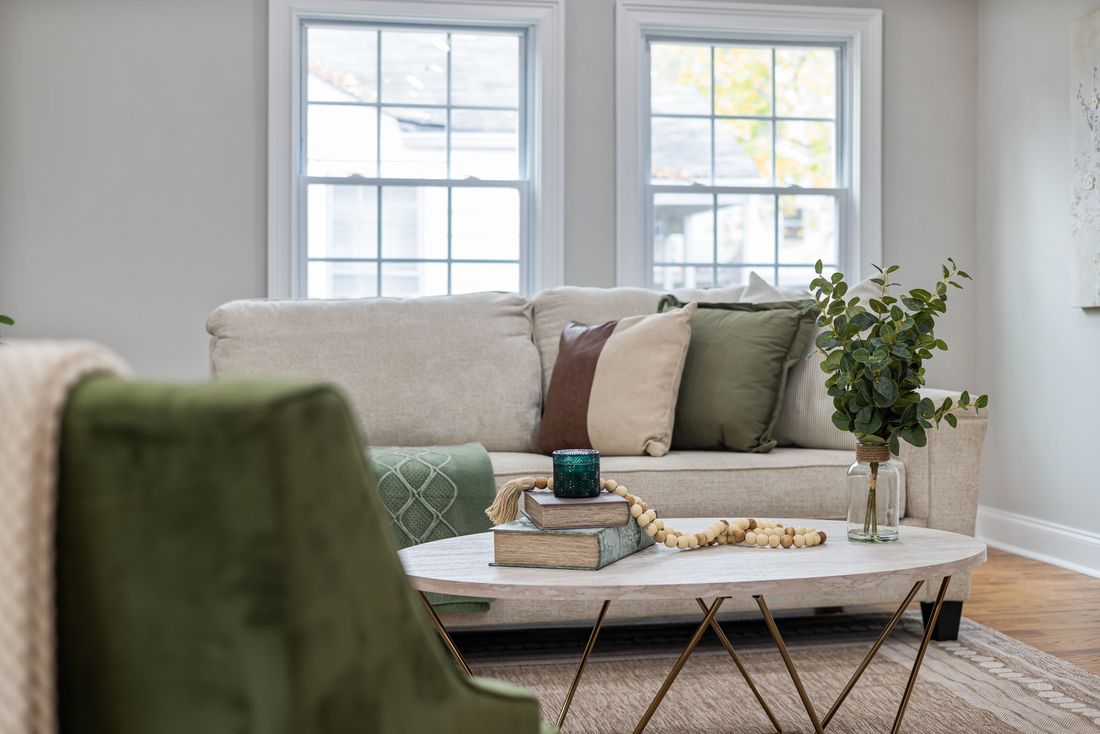
Photo by Curtis Adams via Pexels.
Interior design firms buy headshots for a reason architecture firms and law firms don't quite share: the person in the photo is about to spend six, twelve, sometimes eighteen months in a close, taste-driven relationship with the client looking at it. That changes what the portrait actually has to do. A stern, competent-looking headshot that works fine for a litigator can read as slightly cold for someone a client is about to let pick fabric for their living room. The register has to soften (wardrobe, background, and expression all move a notch warmer) without losing the professionalism underneath it. That's a genuinely different brief than the architecture-firm version of this same category, and worth planning for specifically rather than defaulting to one generic corporate headshot memo for every design-adjacent business in the city.
Interior design firm headshots work best in a softer register than architecture or law: warmer color and texture in wardrobe, expression direction that allows a real smile, and backgrounds pulled from the studio's own space but kept soft enough not to compete with it. Principals usually need a longer, more editorial sitting than the rest of the team, and the whole set has to stay consistent as the studio grows.
Table of Contents
- Why Interior Design Firm Headshots Need a Softer Register
- Wardrobe and Color: Considered, Not Corporate
- Backgrounds: When the Studio Is Also the Portfolio
- Expression Direction: Letting the Real Smile Through
- The Principal's Sitting vs. the Team's Sitting
- Keeping Headshots Consistent as the Studio Grows
- Shooting Inside a Working NYC Design Studio
- What to Expect Booking Interior Design Firm Headshots
Why Interior Design Firm Headshots Need a Softer Register
Interior design firm headshots work best when they read as warm and considered rather than authoritative, because the buyer isn't hiring the firm to make a technical decision. They're choosing who they want inside their home or office for the better part of a year, and the portrait has to make that choice feel comfortable.
An architecture firm's headshot leans on competence and precision, because the client is trusting that firm with a structure that has to stand up. An interior design firm sells something closer to taste and rapport. The client sits across a table from this person through fabric swatches, floor plans, and budget conversations that stretch for months. A portrait that reads as stern or distant undersells the part of the job that actually keeps a project moving: the client liking this person enough to keep saying yes through a long, detail-heavy renovation.
That's the real distinction between this post and the architecture register we've covered elsewhere. Same stakes, same taste-driven industry, different emotional job. Warmth has to read as competence here, not stand in for it. A soft portrait that looks unserious fails just as fast as a stiff one that looks cold.
Wardrobe and Color: Considered, Not Corporate
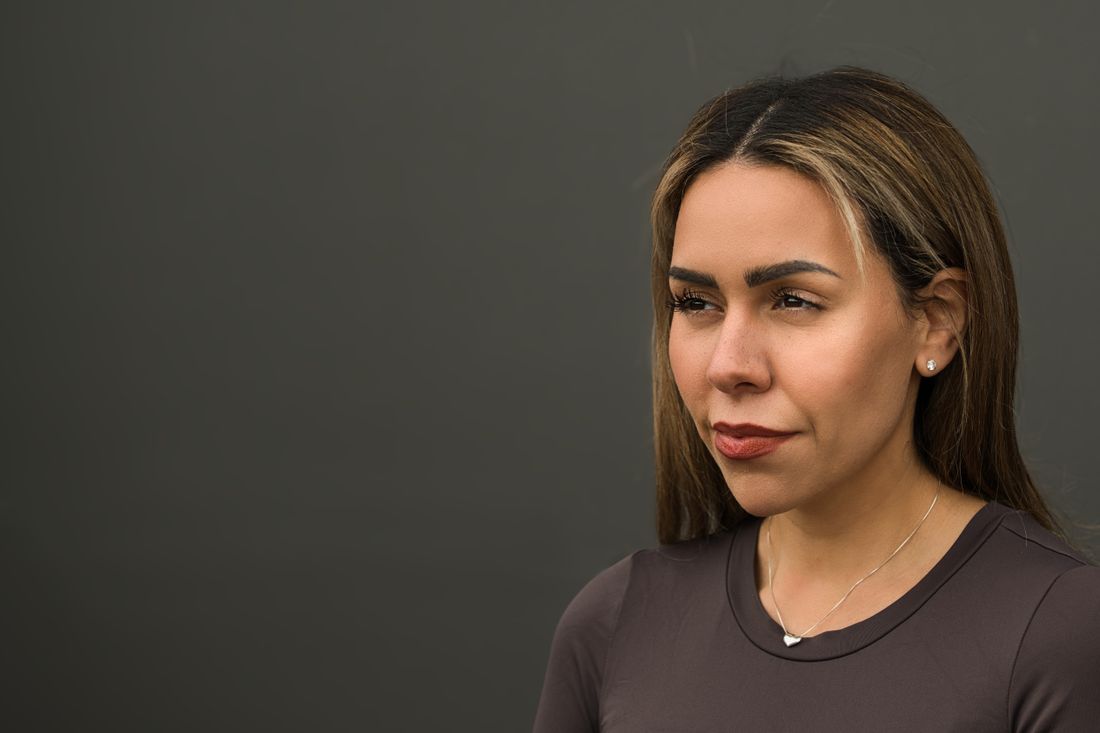
Wardrobe for interior design headshots should skew toward the muted, textural clothing a designer already gravitates to (soft neutrals, a considered layer, a genuine piece of jewelry) rather than the navy suit and white shirt that reads as corporate default everywhere else, because clothing here is itself a taste signal the client is quietly evaluating.
A navy suit doesn't hurt anyone's credibility, but it also doesn't tell a prospective client anything about how this person sees color, texture, or proportion. And for a designer, that omission is louder than it would be anywhere else. A cable knit, a well-cut linen jacket, or a single confident color choice does quiet work a suit can't: it lets the portrait double as a small, honest sample of the designer's own eye.
One caution still applies: skip anything that visually competes with a specific finished project, like a fabric print pulled straight from a current client's living room. The clothing should read as the designer's taste in general, not a preview of one particular job, and it should still avoid anything that fights the camera technically, like fine pattern or heavy shine.
Backgrounds: When the Studio Is Also the Portfolio
A design studio's own space is usually the best background available for headshots (it's warm, on-brand, and already furnished), but it's also the firm's actual portfolio, which means a portrait shot carelessly against it can read as an accidental project photo rather than a picture of a person.
That's a sharper version of a problem every design-forward business runs into, and it's a different question from the general white-versus-environmental-versus-branded background decision we've written about elsewhere. This is the specific case where the branded option is also the most valuable real estate in the building. A vignette or a signature material choice deserves to be seen, but in soft focus behind a shoulder, not sharp enough to compete with the face in front of it.
The other real risk is dating the photo before the paint dries. Interiors get refreshed, staged rooms turn over, a favorite chair gets sold to a client. A headshot anchored too specifically to one room can look stale the moment that room changes, even though the person in it hasn't. A plainer wall or a softly blurred version of the space usually ages better than the most photogenic room in the office.
Expression Direction: Letting the Real Smile Through
Expression direction for interior design headshots can permit an actual, relaxed smile in a way that would look inconsistent on an architecture principal or a law firm partner, because approachability is closer to the actual sales pitch here. The client isn't just hiring a service, they're inviting this person into a long, personal working relationship.
Most corporate headshot direction defaults to a closed-mouth, slightly serious expression because it reads as safe across every industry at once (reliable, competent, hard to misread). For a designer, safe can undersell the actual product. Clients are choosing someone they'll want to see walk through their front door repeatedly, and a portrait that never cracks a real expression doesn't give them much to go on.
That doesn't mean chasing a big, toothy grin from everyone regardless of personality. The direction that works best is closer to catching someone mid-conversation than posing them for a smile. A genuine reaction, however small, beats a held expression every time. A more reserved team member doesn't need to be talked into a wide smile; a warm, present expression photographed well does the same job without asking anyone to perform a personality that isn't theirs.
The Principal's Sitting vs. the Team's Sitting
A design firm's principal usually needs a longer, more editorial sitting than the rest of the studio, because their portrait often does double duty across press features, speaking engagements, and the firm's own marketing, while the team's headshots mainly need to be consistent, current, and quick to shoot on one shared day.
This isn't about favoritism, though it can look that way if it isn't planned for. A principal's portrait tends to travel further (a magazine feature, a podcast thumbnail, a keynote slide), and each of those contexts asks something slightly different of the image than a staff directory does. Giving that sitting more time and a few more setups isn't inconsistency; it's matching effort to how the photo will actually be used.
The team sitting should stay fast, repeatable, and identical in setup for everyone in it, so nobody reads as an afterthought next to the person who got the longer session. In practice that means locking one lighting and background setup for the whole team block, then carving out separate time (same day or a different one) for the principal's more varied portraits, rather than stretching one setup to cover both jobs.
Keeping Headshots Consistent as the Studio Grows
A growing interior design studio runs into the same consistency problem every expanding business does (new hires need headshots that match a set shot months or years earlier), but the softer, more personal register this category calls for makes mismatched sessions more noticeable, not less, when portraits sit side by side.
A slightly warmer smile in one portrait next to a cooler, more reserved one reads as a style shift, even if both photos are individually good. That's a different failure mode than a mismatched suit color on a law firm's site. It shows up as a change in personality, not just a change in photographer.
The fix is the same discipline that works everywhere else: write down the actual setup (background tone, light quality, distance, the specific expression direction given to each subject) so a new hire's portrait a year later can match the tone of the original session instead of approximating it from memory. A studio that grows by two or three people a year doesn't need a full re-shoot each time; it needs a short brief that survives staff turnover on the photography side, too.
Shooting Inside a Working NYC Design Studio
Shooting headshots inside a working NYC design studio means working around real constraints most offices don't have (client samples staged for an active project, a showroom mid-changeover, a space that's often smaller and more tightly styled than it looks in photos) without disrupting the very room that makes the background worth using.
Most NYC design studios and showrooms run lean on square footage, which means a headshot session sharing the space with an active client presentation or a delivery of new samples isn't a scheduling inconvenience, it's the normal week. Working in short blocks, moving quickly between a few good spots in the space, and staying flexible about which corner is actually usable that day beats trying to book the whole studio out for a full afternoon.
The other NYC-specific reality is light. A studio with south-facing windows at 2pm behaves completely differently than the same room at 10am, and a showroom lit mostly by warm accent lamps needs a different approach than one with big windows and white walls. None of that is a problem to fix before the shoot. It's information the photographer should be working with, not against, from the moment they walk in.
What to Expect Booking Interior Design Firm Headshots
Booking interior design firm headshots usually means a half-day or full-day session depending on team size, a plan for where in the studio (or nearby) portraits get shot, and a wardrobe conversation ahead of time. The same core process as any team headshot day, adjusted for a softer expression and color register throughout.
The planning conversation before the shoot matters more here than in a lot of corporate categories, because so much of what makes this register work (wardrobe, background choice, expression direction) has to be decided before anyone shows up, not improvised on the day. A quick call or email about what the team tends to wear day-to-day and which parts of the studio are fair game for backgrounds saves most of the back-and-forth that otherwise happens mid-session.
On the day itself, the goal is one consistent setup for the team and, where it's warranted, a separate block for the principal's more varied portraits. We treat this the same way we treat any team headshot day at Core Visuals. One photographer, one visual standard, delivered on a timeline that doesn't leave a growing studio waiting to update its site.
Frequently Asked Questions
How is a headshot for an interior designer different from a standard corporate headshot?
The biggest difference is the target emotion, not the technical setup. A standard corporate headshot usually aims for competence and reliability, which reads well for law firms, banks, and consultancies. An interior designer's headshot has to add warmth and taste on top of that, because clients are choosing someone they'll work closely with for months on deeply personal decisions. Wardrobe, background, and expression direction all shift slightly softer to support that, without dropping the underlying professionalism.
What should an interior design firm's team wear for headshots?
Soft neutrals, natural textures, and a genuine piece of jewelry or a considered layer usually read better than a formal suit, because clothing itself signals a designer's taste to a client who's evaluating exactly that. The one real caution is avoiding anything that visually echoes a specific current project (a fabric pulled straight from a client's living room), since the wardrobe should represent the designer's eye in general, not preview one particular job.
Should an interior design firm shoot headshots in its own studio or showroom?
Usually yes, because the studio is on-brand and already furnished in a way most offices aren't. The catch is that the space doubles as the firm's actual portfolio, so a distracting or sharply focused background can compete with the face in the frame, and a portrait shot too close to one specific staged room can look dated the moment that room gets redecorated. Soft focus and a plainer corner of the same space usually age the best.
Does the firm's principal need a different headshot session than the rest of the team?
Usually a longer one, not a different style. A principal's portrait tends to travel further (press features, speaking engagements, the firm's own marketing), so it benefits from more time and a few more setups than a staff directory photo needs. The team's session should stay fast and identical in setup for everyone in it, so the principal getting extra time reads as matching the image to its use, not as favoritism.
How often should a growing design firm refresh its team headshots?
Often enough that a new hire's portrait doesn't visibly clash with the original session's tone, which usually means updating within a year or two of noticeable team growth rather than waiting for every seat to turn over. Writing down the original setup (background, light, expression direction) makes single-person updates possible without a full re-shoot, which matters most for this category since a tonal mismatch reads as a personality shift, not just a style change.
Related Reading
Need headshots or a short brand video across the whole team?
Send the headcount and whether you want photo, video, or both, and we'll quote it with the volume discount built in.
See Headshots & Brand Videos