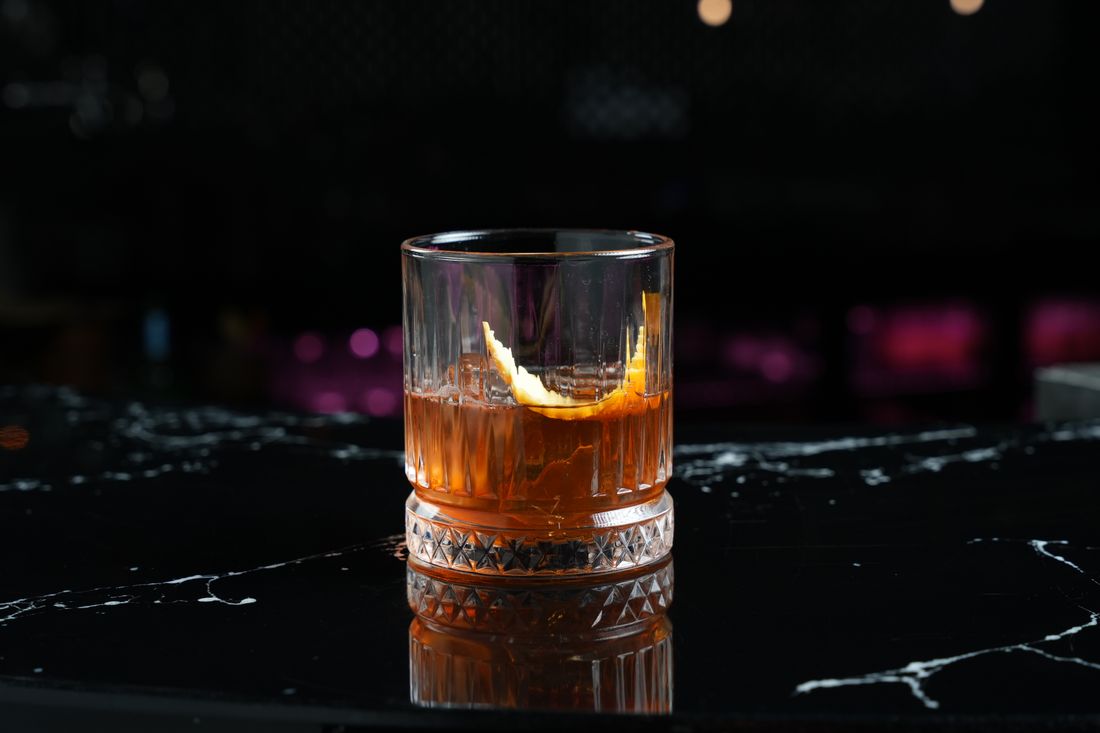
Photo by Dextar Studio ™ via Pexels.
A plated dish holds still. A cocktail doesn't. Between the pour and the shot, foam settles, ice starts to melt, condensation beads on the glass, and a garnish loses its snap, so a drinks shoot is really a race against a handful of countdowns running at once.
Drinks are the hardest item on a menu to photograph because nearly every part of them changes within minutes of being made. A cocktail or beverage photography session in NYC is built around that clock: shot order, backlighting, glassware, and timing all exist to beat it before foam, ice, and garnish move on.
Table of Contents
- Why Drinks Are the Hardest Thing on a Menu to Shoot
- The Countdown: What Changes in the First Few Minutes
- Why Drinks Usually Get Shot Last, or on Their Own Day
- Glassware and Backlighting: The Technical Set
- A Bar Program Is a Set, Not One Hero Cocktail
- A Bar's Own Social Content vs. a Beverage Brand's Campaign Assets
- Non-Alcoholic and Zero-Proof Drinks Are a Real Menu Category
- What a Bottle or Can Shot Needs That a Served Drink Doesn't
Why Drinks Are the Hardest Thing on a Menu to Shoot
Drinks are harder to photograph than food because almost every part of them keeps changing the moment they're made. Foam collapses, ice starts to melt, condensation blooms on the glass, and a garnish loses its shape, all inside the same few minutes a shot needs to come together.
A plated dish can sit under a heat lamp and hold its structure for a while. A cocktail can't. The clock starts the second it's poured, and every choice on set — where the light sits, how the glass is styled, what order the drinks come out in — gets built around that clock rather than around composition alone.
That's the real difference between food photography and beverage photography, and it's why a bar program or drink brand benefits from a shoot planned specifically for drinks rather than one tacked onto the end of a food session. The pace, not the subject, is what makes it its own discipline.
None of this means drinks need more time on set — often the opposite. It means the time gets spent differently, with more of it going into prep, backup pours, and a clear shot order before the first drink ever reaches the counter.
The Countdown: What Changes in the First Few Minutes
The countdown on a drink shot runs on four fronts at once: foam falls, ice dilutes and rounds off, condensation forms on the glass exterior, and a fresh garnish softens or browns. Each one moves on its own timeline, and a workable shot has to land before any of them tip over.
Carbonation and foam move fastest — a fresh pour on a beer or a shaken drink with an egg-white or foam top has a real window measured in seconds, not minutes. Ice is next; once it starts visibly rounding or the drink dilutes past its intended balance, the shot no longer represents the actual serve. Garnish is the slowest clock but the most visible one — a wilted mint sprig or a browning citrus twist reads instantly in a still image.
Working against all three at once is why a beverage set moves fast and why duplicate pours matter — a backup drink, made and ready, means a missed window doesn't cost the whole shot.
Why Drinks Usually Get Shot Last, or on Their Own Day
Most restaurant shoots put drinks at the end of a session, or give them a separate day entirely, because they're the least forgiving subject in the building. Food can be restyled after a first attempt. A melted, diluted cocktail generally can't — it gets remade from scratch.
Scheduling drinks last also means the bar and kitchen aren't competing for the same window. A bar team pouring a full program's worth of drinks needs its own attention, ideally without also running food expo at the same time. On a bigger program — a full cocktail menu, a multi-item beverage brand catalog, or both alcoholic and zero-proof lines — a dedicated beverage day is usually the more efficient plan, since it lets the bar team build, pour, and remake drinks without a food shoot competing for the same prep space.
Either way, the sequencing decision gets made before the shoot, not during it, so the bar knows exactly when its window opens. It's the same planning question we walk through on any restaurant and beverage photography booking, before a single glass gets poured.
Glassware and Backlighting: The Technical Set
A drink reads through its glass as much as through its contents, so glassware condition and lighting angle do more work here than in almost any other food category. Backlighting through a clear glass shows carbonation, layering, and clarity in a way front lighting simply can't.
Spotless glassware isn't optional — a single water spot or fingerprint reads clearly once a light is placed behind or beside the glass, so glasses get wiped and re-checked between pours, not just once at the start. Backlight or a side-back angle is the default position for most drink shots, since it separates the liquid from the background and shows texture in foam or citrus oils on the surface.
None of this is exotic equipment, just a setup built for glass and liquid instead of for a plate. Getting it right the first time matters more here than in most categories, since a reshoot means a whole new pour and a whole new set of melting ice, not just a restyled plate.
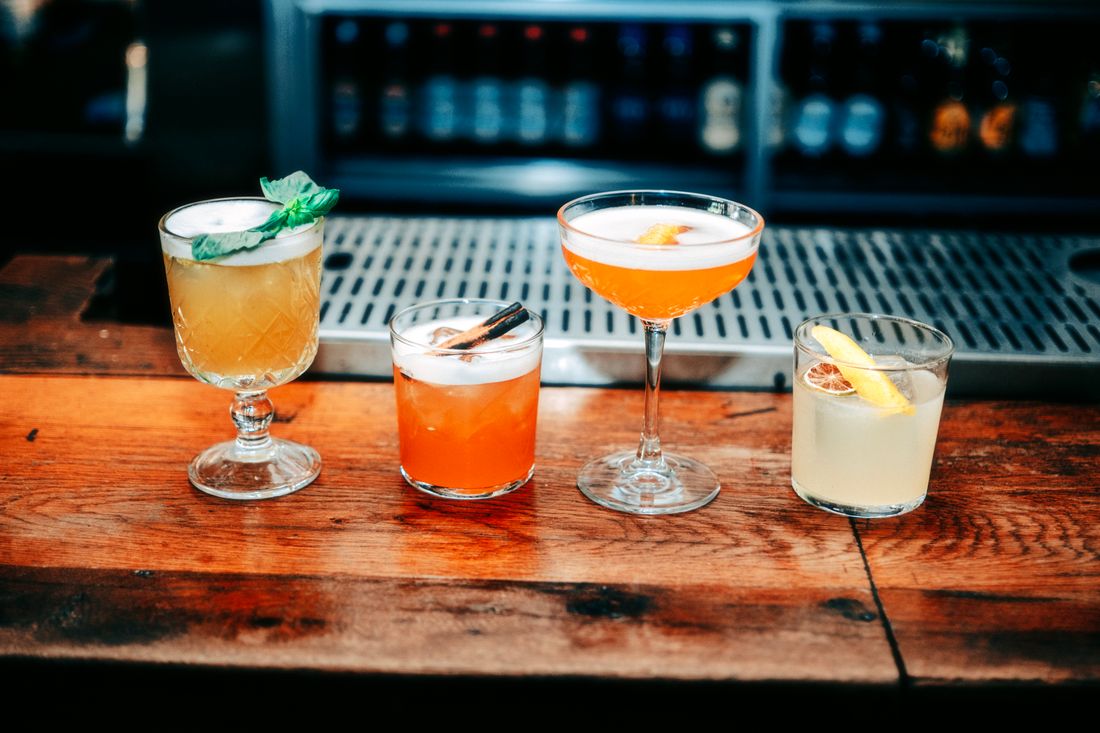
Photo by Wolrider YURTSEVEN via Pexels.
A Bar Program Is a Set, Not One Hero Cocktail
A single striking cocktail photo looks good in isolation but does less for a bar than a full program shot as one coherent set. Consistent glassware treatment, consistent backdrop, and consistent lighting across every drink on the menu let a bar swap any image into any placement without it looking mismatched.
Treating the program as a set also means planning shot order around what's actually on the menu rather than around whichever drink looks most photogenic. A dozen cocktails shot the same way as a batch produce a library a bar can pull from for months — new menu inserts, social posts, a website refresh — instead of one image that only works in the exact spot it was shot for.
The set approach costs more planning up front but pays off every time the menu changes and only a few drinks need to be added or swapped, since the established look already exists to match.
It also gives a bar options later. A shot list built as a set can be trimmed for a single social post or used in full for a printed menu, without reshooting anything.
A Bar's Own Social Content vs. a Beverage Brand's Campaign Assets
A neighborhood bar shooting for its own social feed and a beverage brand building campaign assets are solving different problems, even when the subject in the glass looks similar. A bar generally wants a set that feels like the room — its bartenders, its counter, its actual pour.
A beverage brand shooting a bottled or canned product for retail, distributor decks, or a launch campaign usually needs a tighter, more controlled look: consistent product presentation across every image, less reliance on a specific room or setting, and assets sized for placements the bar version never has to think about, like a shelf display or a distributor one-sheet.
Neither approach is more correct than the other — they're built for where the images actually run. Knowing which one a shoot is for, before it starts, is what keeps the set from trying to serve both jobs at once and doing neither particularly well.
Some bars genuinely need both — a house look for their own channels and a cleaner product set for a distributor or wholesale partner. Worth saying up front which is being shot, since it changes the lighting plan from the first setup.
Non-Alcoholic and Zero-Proof Drinks Are a Real Menu Category
Zero-proof cocktails and non-alcoholic beverage lines have grown into a real, standing part of most drink menus, not a footnote next to the alcoholic list. Treating them as an afterthought in a shoot — a rushed single frame at the end — undersells a category guests are actually ordering from.
Photographically, zero-proof drinks face the same countdown problems as anything else: foam, ice, garnish, and condensation all move on the same clock whether or not there's alcohol in the glass. What changes is coverage planning — a bar or brand with a serious non-alcoholic lineup should budget real shot count for it, not squeeze it into whatever time is left after the rest of the program.
Giving the category its own place in the shot list, rather than treating it as an extra, is usually the difference between a menu that looks complete and one that quietly signals which half of it was an afterthought.
For a bar building out a zero-proof program as a genuine draw rather than a gesture toward a trend, the photography should say so — the same care in glass, garnish, and light as anything on the main list.
What a Bottle or Can Shot Needs That a Served Drink Doesn't
Packaged product shots — a bottle, a can, a boxed set — trade the countdown problem for a different one: the container itself has to look flawless, since nothing about it is melting or wilting to explain a soft frame. Labels have to sit straight, glass or can surfaces have to be free of dust and fingerprints, and reflections need to be controlled rather than accidental.
Where a served drink benefits from motion — a pour, a garnish being placed, condensation forming — a packaged product usually reads best static and controlled, closer to how a retail or e-commerce shot gets built than how a bar's social content does. Multiple angles matter more here too, since a can or bottle often needs a front label shot, a three-quarter angle, and a grouped shot of the full line for different placements.
A brand shooting both a served version and the packaged product in one session should expect two distinct setups, not one lighting rig doing double duty.
Frequently Asked Questions
Why do cocktails need a different photography approach than food?
Cocktails change on their own clock the moment they're poured — foam collapses, ice dilutes, condensation builds on the glass, and a garnish loses its shape within minutes. Food generally holds its plating longer under a heat lamp. That faster, harder deadline changes how a drinks shoot is planned: shot order, backup pours, and lighting all get built around beating the clock rather than around styling alone.
Should drinks be shot on the same day as the rest of a restaurant shoot?
It depends on the size of the program. A short drink list can usually be folded into a broader restaurant shoot, shot last so it doesn't compete with food prep. A full cocktail menu, a beverage brand catalog, or both alcoholic and zero-proof lines together usually work better as a dedicated beverage day, since the bar team can build and remake drinks without a kitchen also needing that same window.
What makes glassware so important in beverage photography?
A drink reads through its glass, and backlighting through clear glass is what shows carbonation, layering, and clarity — something front lighting can't do as well. That means glassware has to be spotless, since a water spot or fingerprint becomes obvious once a light is placed behind or beside the glass. Glasses typically get wiped and checked between pours, not just once before the shoot starts.
Are non-alcoholic and zero-proof drinks worth photographing separately?
Yes. Zero-proof cocktails and non-alcoholic beverage lines are a real, standing part of most menus now, not an afterthought, and guests are actually ordering from that list. They face the same foam, ice, and garnish countdown as any other drink, so they deserve real shot count and their own place in the shot list rather than being squeezed into leftover time at the end of a session.
What's different about photographing a bottled or canned beverage product?
A packaged product trades the countdown problem for a precision problem: nothing is melting, so the container itself has to look flawless — straight labels, clean surfaces, controlled reflections. It's usually shot static rather than in motion, and often needs multiple angles, like a front label shot and a grouped shot of a full line, which is a different setup than a served drink typically requires.
Related Reading
Planning a shoot for your restaurant, bar, or drink brand?
Tell us what's on the menu and where the images need to run — site, delivery listings, social, or press — and we'll build the shot list around that before anyone fires up the kitchen.
Ask About Restaurant Photography