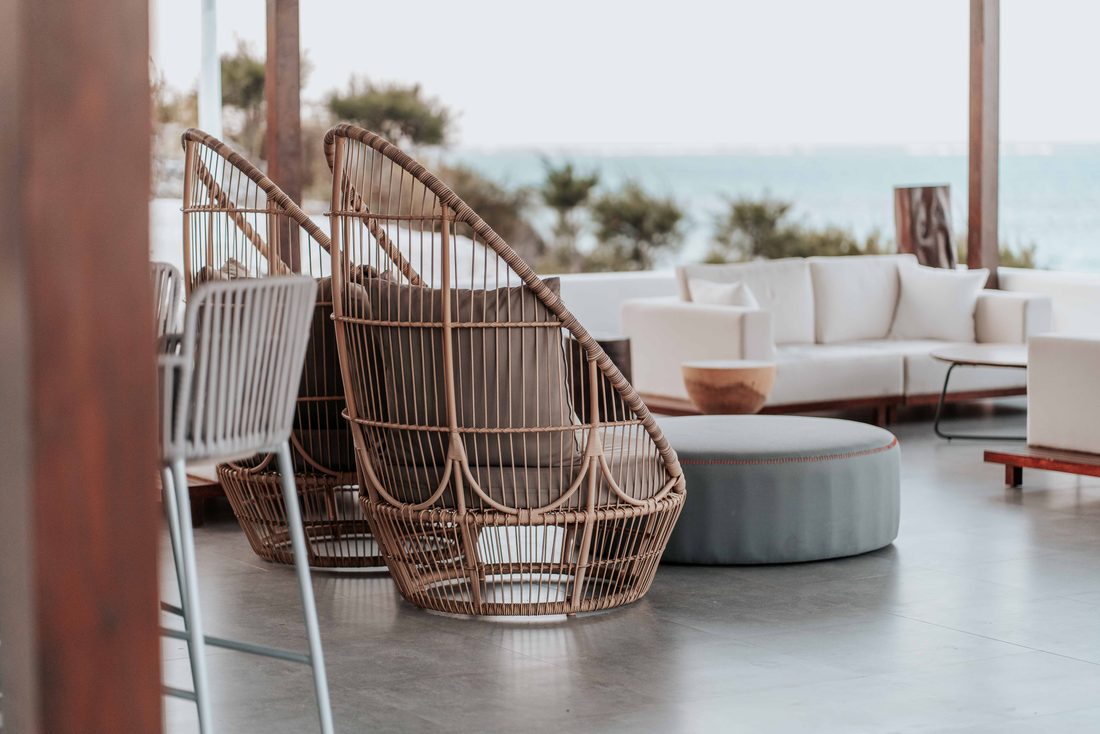
Photo by Keegan Checks via Pexels.
A tenant amenity reveal isn't a party a landlord throws because a rooftop terrace finally finished construction. It's a leasing tool disguised as an event, aimed at the brokers and prospective tenants who'll decide whether the building's new lounge, gym, or roof deck is worth paying for. That distinction changes what gets photographed, who the camera is actually working for, and what happens to the footage once the caterers leave.
A tenant amenity reveal is coverage built to help a landlord or developer lease space, not celebrate an occasion. The audience is brokers and prospective tenants touring a finished amenity floor, not consumers or a company's own staff. Coverage should prioritize a polished, empty version of the space plus real walk-through moments, because the footage becomes leasing collateral, not an event recap.
Table of Contents
- What a Tenant Amenity Reveal Event Actually Is
- Why Brokers and Prospective Tenants Are the Real Audience
- Staging the Amenity Space Before Anyone Walks In
- Covering the Broker and Prospect Walk-Through
- Leasing Collateral Is a Different Deliverable Than an Event Recap
- Timing Coverage Around Buildout and Leasing Calendars
- Where the Footage Actually Gets Used After the Reveal
- Coordinating With Property Management and the Marketing Team
What a Tenant Amenity Reveal Event Actually Is
A tenant amenity reveal is the event a landlord or developer holds to show off a newly finished common area, roof deck, lounge, or fitness floor to the brokers and prospective tenants who'll influence whether space in that building gets leased. It's staged to prove the amenity is real and finished, not to mark an occasion for the people who already work there.
The building itself is usually the actual client in these coverage jobs, even when a property management company or a marketing team signs the invoice. The amenity space is a leasing feature the same way a doorman or a loading dock is a leasing feature, and the reveal event exists to put that feature in front of the people who compare it against a competing building down the block.
That framing matters because it separates this job from a company celebrating its own new office or a retail brand opening a storefront to shoppers. Here, nobody in the room is the intended audience for the footage. The people scrolling the finished gallery later are brokers deciding which listing to show next, and tenants deciding which building actually delivers on its floor plan.
Why Brokers and Prospective Tenants Are the Real Audience
Brokers and prospective tenants are the real audience for amenity reveal coverage because they're the people who decide whether a listing gets shown or a lease gets signed, and neither of them was necessarily in the room the night the space was unveiled. The event is a production; the footage is what actually reaches most of the audience it's for.
A broker juggling several listings rarely has time to tour every amenity floor in person before narrowing down what to show a client. A polished set of photos or a short video of the finished space does that narrowing for them, which means the coverage is competing with every other building's leasing deck, not just documenting a nice evening.
We treat that competition as the actual brief. The images need to hold up next to a competing building's own amenity photography, at a glance, from a broker scrolling a listing on a phone. A reveal event that produces warm crowd photos but no clean, sellable shot of the space itself has missed the job it was hired to do.
Staging the Amenity Space Before Anyone Walks In
The empty, staged shot of the amenity space, taken before guests arrive, is usually the single most valuable image from the whole event. It's the version a broker can drop straight into a leasing deck without cropping out a crowd, a catering table, or anyone's face, and it's worth scheduling time to get it right before the room fills up.
Getting there means arriving early enough to shoot the lounge, roof deck, or gym while furniture is still arranged the way it was designed to look, lighting is at its cleanest, and nothing has been pushed out of place by the first wave of guests. Once a reveal event is underway, that version of the room is gone until it gets cleaned and reset.
We plan for this as its own coverage block, separate from event candids, because the two shots serve different purposes. The empty room proves the space is real and finished. The populated room proves people actually want to be in it. A reveal that only captures one of those has left half the leasing asset on the table.
Covering the Broker and Prospect Walk-Through
The broker and prospect walk-through is the part of the reveal that shows the amenity space actually functioning as a decision tool, not just a finished room. Candid coverage of small groups touring, pointing things out, and asking questions gives a leasing team proof that the space reads well in person, which a static empty shot can't show on its own.
These moments work best treated the way a real estate tour gets covered rather than a party. That means following the natural path a broker would walk a prospect through the space, staying close enough to catch genuine reactions without turning the shoot into posed portraits, and paying attention to sightlines a prospective tenant would actually care about, like how the amenity floor connects back to the building's entrance or elevators.
In practice, a handful of well-timed walk-through frames does more for a leasing narrative than a large batch of generic mingling shots. The goal is a small set of images that could sit next to the empty room shots and tell a leasing team's story in sequence, not a flood of options to sort through later.

Photo by Henri Mathieu-Saint-Laurent via Pexels.
Leasing Collateral Is a Different Deliverable Than an Event Recap
Leasing collateral and an event recap look similar on the surface but serve different jobs, and treating them as the same deliverable is where amenity reveal coverage tends to fall short. A recap gallery documents that a nice evening happened. Leasing collateral has to function inside a pitch deck, a listing page, or a broker's email months after the event is forgotten.
That difference shows up in what gets prioritized during editing. A recap favors variety and warmth, a broad set of moments from across the night. Leasing collateral favors a small number of images strong enough to stand alone, cropped and composed to work without captions explaining who's in them or why they're smiling.
We build the shot list around that second use case from the start, rather than shooting a general event gallery and hoping a few frames happen to double as leasing assets afterward. A landlord who names the leasing use case up front, before the event, ends up with coverage that actually earns its place in a deck instead of getting quietly set aside.
Timing Coverage Around Buildout and Leasing Calendars
Amenity reveal coverage runs on a tighter, more fragile schedule than most corporate events because it's tied to a construction timeline as much as a calendar date. The reveal usually happens close to the moment buildout finishes, and a delay on either end can mean shooting a space that's technically done but not yet styled, or missing the leasing window it was meant to support.
Coordinating around that means confirming final punch-list items, furniture delivery, and any styling work are actually complete before locking a shoot date, rather than trusting the original buildout schedule. A finished floor plan and a photo-ready room are two different milestones, and the gap between them is where reveal shoots most often slip.
We ask about buildout status directly rather than assuming a scheduled date still holds, because a landlord's leasing calendar depends on getting usable images out quickly once the space is ready. Coverage that lands even a few weeks after a competing building's own amenity reveal has lost some of the advantage it was meant to create.
Where the Footage Actually Gets Used After the Reveal
Amenity reveal footage tends to have a longer working life than the event itself, showing up in leasing decks, listing pages, broker outreach emails, and a building's own marketing well after the reveal night is over. Planning the shoot with that afterlife in mind changes what gets prioritized on the day, not just how the images get edited.
A leasing team pulling from this gallery months later needs images that don't read as dated or tied to one specific evening. That favors clean, well-lit shots of the space and genuine walk-through moments over anything that leans too hard on a particular guest list, a seasonal decor choice, or branding specific to that one night's event.
We deliver amenity reveal coverage organized so a leasing or marketing team can find what they need without digging through an unsorted folder. That usually means separating the empty-room hero shots from the walk-through candids clearly, so whoever is building the next pitch deck can grab the right image in minutes instead of scrolling a full event gallery.
Coordinating With Property Management and the Marketing Team
Amenity reveal events usually involve more moving parts on the client side than a typical corporate shoot, since property management, a leasing team, and sometimes an outside marketing agency can all have a stake in how the space gets represented. Confirming who actually approves the final image selection avoids a round of conflicting notes after the shoot is already done.
Building access is its own coordination point. Amenity floors are often in active buildings with security desks, freight elevator schedules, and building engineers who need advance notice before anyone brings lighting equipment through a lobby. Sorting that out ahead of time keeps the actual shoot day focused on the space instead of logistics.
We ask early who on the landlord's side owns final sign-off and what the building's access process actually requires, because a reveal event with a tight leasing timeline doesn't have room for that conversation to happen after the fact. Getting it settled before the shoot date is what keeps the turnaround fast enough to matter for the leasing calendar it's serving.
Frequently Asked Questions
What is a tenant amenity reveal event?
It's an event a commercial landlord or developer holds to show a newly finished amenity space, like a rooftop terrace, lounge, or fitness floor, to brokers and prospective tenants who influence leasing decisions. Unlike a party celebrating an occasion, the event exists to prove the amenity is real, finished, and worth factoring into a leasing decision. The coverage from it typically becomes leasing collateral rather than a simple keepsake gallery of the evening.
How is amenity reveal coverage different from a company's own office opening?
A company's office opening celebrates a team moving into its own new space, and the audience is largely the staff and clients already connected to that company. A tenant amenity reveal is the opposite: a landlord or developer is marketing shared building space to prospective tenants and brokers who don't work there yet. The coverage priorities shift accordingly, toward images that function as a leasing asset rather than an internal milestone photo.
What should get photographed at a tenant amenity space reveal?
Two things matter most: a polished, empty version of the space shot before guests arrive, and candid coverage of brokers or prospects genuinely walking through it. The empty shots read as clean leasing collateral without a crowd blocking the room. The walk-through moments prove the space functions well with people in it. Posed group photos of attendees matter far less here than they would at a typical corporate celebration.
How does a landlord end up using the footage after the reveal?
Most of the value shows up after the event itself, in leasing decks, listing pages, and broker outreach emails sent months later. Because of that, images that stay useful outside the context of one specific evening tend to matter more than ones tied closely to a particular guest list or seasonal decor. Organizing the delivery by hero shots versus walk-through candids also makes the footage easier for a leasing team to actually use.
When should a landlord book coverage relative to the buildout schedule?
As close to actual completion as the leasing calendar allows, and only once punch-list items, furniture, and styling are genuinely finished, not just when the original construction schedule said they would be. A photo-ready room and a technically finished floor plan are different milestones, and reveal shoots most often slip in that gap. Confirming buildout status directly before locking a date protects the shoot from being rescheduled at the last minute.
Related Reading
Not sure if hourly or a package makes more sense for your event?
Tell us the expected length, and we'll run the actual numbers before you book.
See Event Coverage Packages