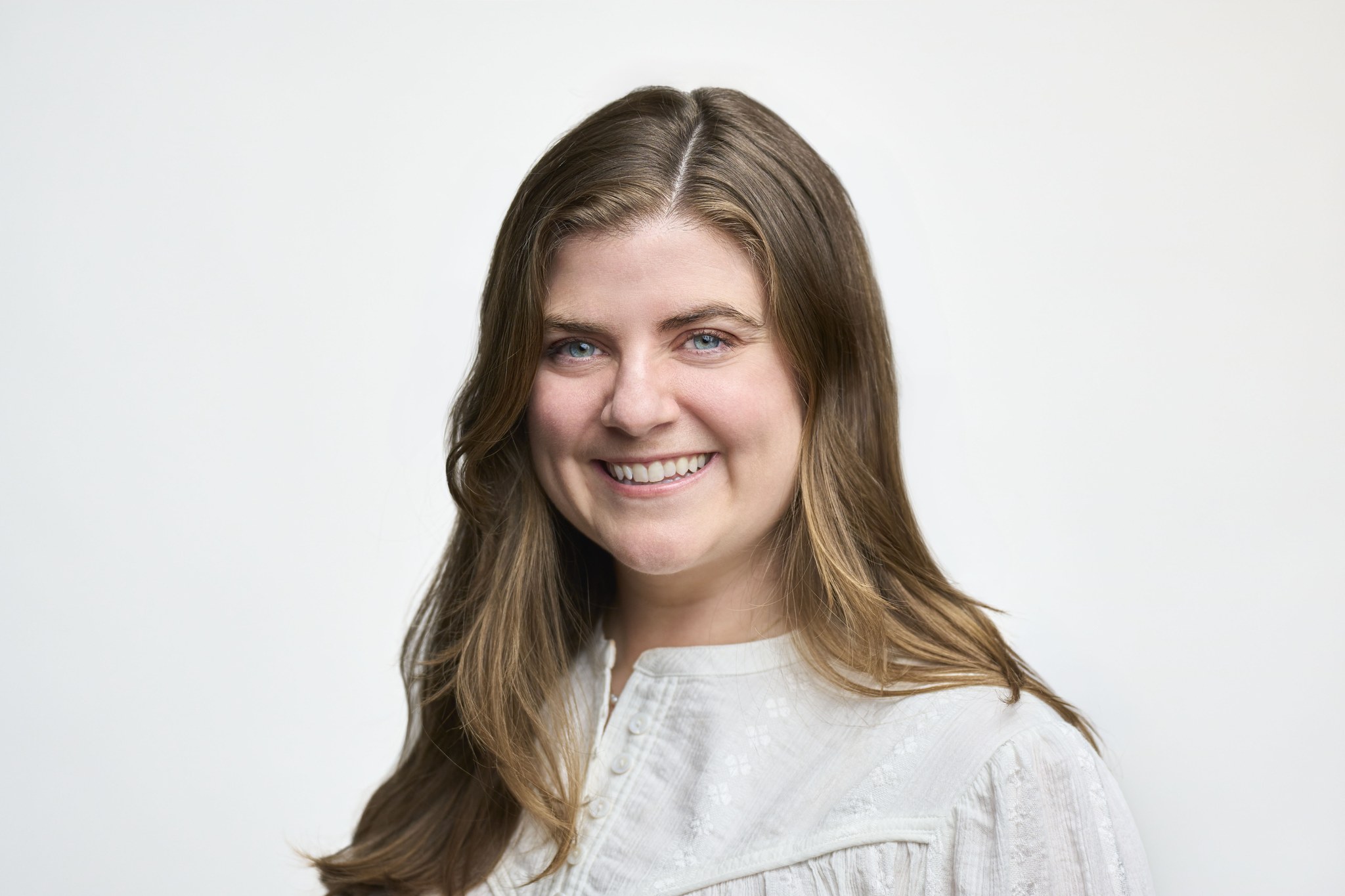
Photo: Core Visuals NYC
Professional headshot retouching lives in a narrow range. Too little editing looks unprofessional. Too much editing damages credibility.
Good retouching doesn't chase perfection. It aims for you on a good day, polished and still recognizable.
Table of Contents
Why Natural Retouching Matters
A headshot is a promise. When someone meets you in person, they expect to see the person in the photo. If the two don't match, trust breaks immediately, and it breaks before either of you says a word.
Recruiters notice when a candidate looks nothing like their LinkedIn photo. It raises a credibility question before the interview even starts. The same thing happens at a first client meeting, at a conference badge table, or on a company Team page: the photo sets an expectation, and the person has to match it.
A simple test: if someone meeting you in person would be surprised by the difference between your photo and reality, the retouching went too far.
The opposite failure is just as real. A headshot with a stray hair caught mid-blink, a sensor spot on your cheek, or lighting that leaves half your face in shadow reads as careless, not authentic. Nobody benefits from an unedited shoot passed off as raw and real. The point of retouching isn't to hide who you are. It's to remove the things a camera catches that a person standing in front of you never would.
What We Correct Automatically
Some retouching isn't a judgment call. It's just part of finishing a photo. These are the fixes made on every headshot, without asking:
- Stray hairs. Flyaways that catch the light and pull focus off your face. Your hairstyle stays exactly what you brought to the shoot.
- Lint, dust, and fabric wrinkles. A collar that folded wrong or lint on a dark jacket gets cleaned up. Your outfit stays your outfit.
- Sensor spots and dust marks. Every camera sensor picks up dust over time, showing up as small dark specks. Those get removed as a matter of routine, not a matter of taste.
- Temporary blemishes. A breakout, some redness, an ingrown hair. Here today and gone in a week, so it comes out.
- Exposure and color balance. Shadows under the eyes get lifted, blown highlights get pulled back, and skin tone gets corrected so it reads true on a phone screen, a laptop, and a printed badge.
None of this requires a conversation. It's the baseline every image gets before it's called finished.
What You Decide
Other things sit on a line only you can draw, because they're part of how you actually look, not a flaw in the photo. We ask before touching any of these, or leave them alone by default:
- A permanent mole, birthmark, or scar. Part of your face. Some people want it softened for a specific use like an acting reel. Most people want it left exactly as it is for a corporate or LinkedIn headshot. Tell us which.
- Grey hair. We don't darken it unless you ask. Plenty of people want it left alone; some want it toned down for a specific brand look. Your call.
- Fine lines and wrinkles. A light pass that softens harsh shadow in a crease is different from erasing the crease entirely. We ask which you want rather than guess.
- Teeth. A shade or two brighter than natural reads as clean. Past that, it reads as edited. If you want whiter teeth than that, say so and we'll talk about how far is too far.
If you don't say anything, we default to the lightest touch: correct the temporary stuff, leave the permanent stuff alone.
What We Won't Do
A short list of requests we turn down, regardless of how good the retouching software makes them look:
- Reshaping your face or body. Narrowing a jaw, slimming a waist, enlarging eyes. That isn't editing. It's changing who's in the photo.
- Changing your apparent age. A headshot that makes a 55-year-old look 35 sets up an in-person mismatch that damages trust the moment you walk into a room.
- Changing your skin tone. Not up for discussion. Lightening, darkening, or otherwise altering skin color is not something we do, ever.
These aren't style preferences we bend on for the right price. Software makes all three technically possible in a few clicks, which is exactly why the line has to be a firm one and not a negotiation. If a photographer will do any of the three above on request, that's worth knowing before you book them, not after you've seen the files.
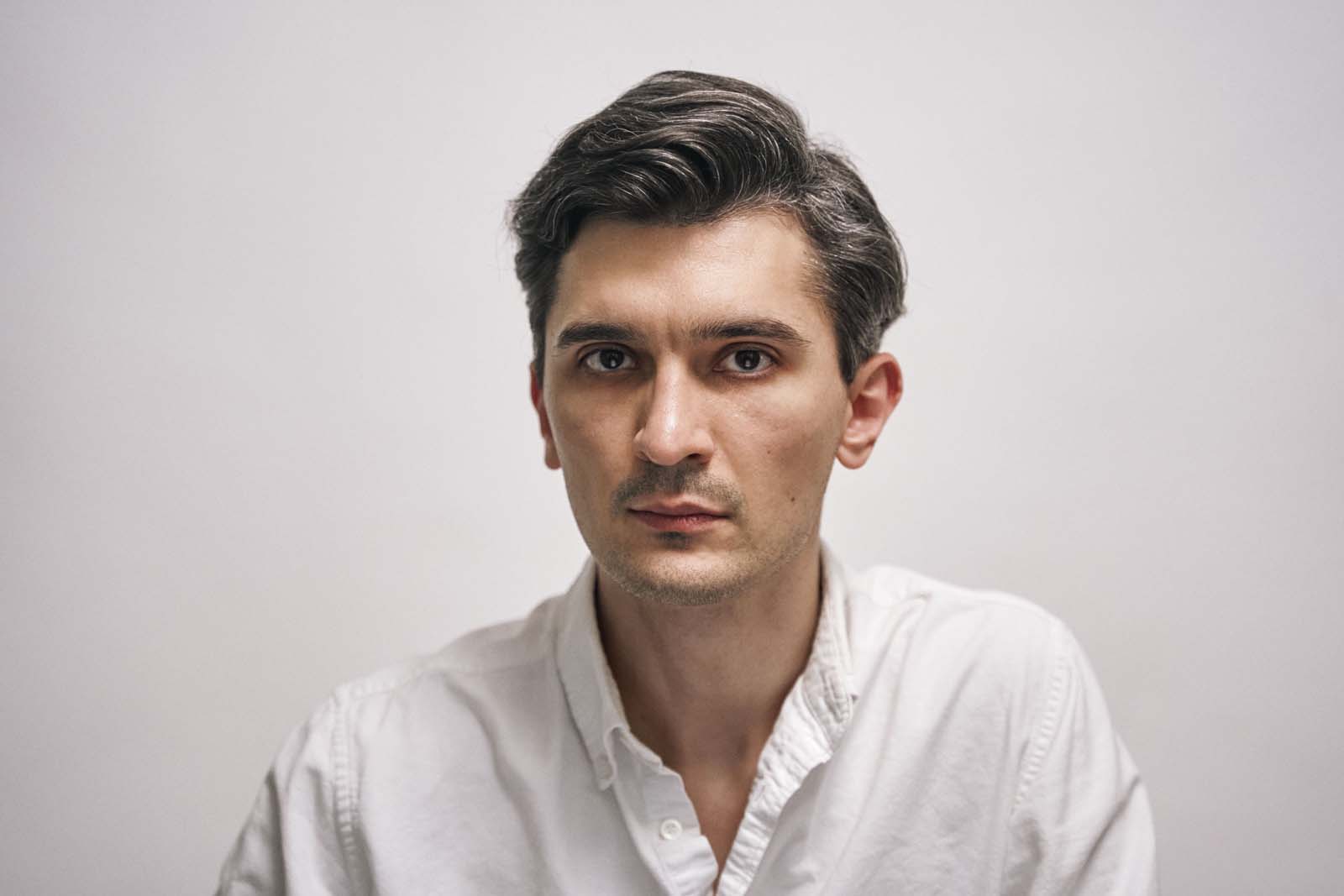
Photo: Core Visuals NYC
Industry-Specific Retouching Standards
Retouching expectations shift by industry, and it's worth knowing where yours lands before you set expectations with a photographer.
Corporate and Professional
Finance, law, consulting, healthcare, real estate, B2B sales. Minimal and natural. Fix the temporary, leave the permanent. When in doubt, under-retouch rather than over-edit. Clients and colleagues need to recognize you immediately, and over-editing in these fields reads as something to hide.
Creative and Media
Marketing, advertising, PR, design, startups. Natural with more polish allowed. Skin can be smoother while keeping texture, lighting can be more dramatic, colors more saturated. Still recognizable, with more creative room than a law firm partner photo.
Performance and Entertainment
Acting, modeling, music, influencers. Varies by use. A theatrical headshot stays close to natural. A fashion or editorial image allows heavier retouching, because the purpose is different: one is casting, the other is aspiration.
What to Ask Your Photographer About Retouching
Before you book, ask what's included and how a photographer handles requests that fall outside it:
- "What retouching is included in the price?" Understand what's automatic versus what requires a conversation.
- "Can I see an unedited photo next to the finished one?" A real before-and-after tells you their actual editing style faster than any description.
- "Will you tell me if a request crosses into over-editing?" A photographer who pushes back on a request that would damage your credibility is doing you a favor.
Watch for red flags in a portfolio: plastic-looking skin across every example, teeth brighter than the whites of the eyes, backgrounds that look faked in. Any one of those signals a default style that skews heavy, and you'll have to fight for natural results.
At Core Visuals, retouching is bundled into the price of every headshot product we run, the event headshot station, a private Executive Studio session, and on-location team shoots. Every delivered image is already edited; there's no separate line item for the standard pass described above, and nothing published for going beyond it. If a request falls into judgment-call or refused territory, we'll say so before delivery, not after.
DIY Retouching: When It Works (and When It Doesn't)
Some people try to do their own headshot retouching to save money. It works fine for basic adjustments and falls apart fast on anything skin-level.
Where DIY holds up
Brightness, contrast, and color balance in Lightroom Mobile or your phone's Photos app. Cropping and straightening. Removing one obvious temporary blemish with a healing brush. These tools are forgiving enough that it's hard to do real damage.
Where DIY falls apart
Skin retouching is the trap. The line between polished and plastic is thin, and you won't see you've crossed it until the file is already sent out. Color correction needs a calibrated screen and an eye trained on skin tone, not a saturation slider pushed until it looks right on a laptop. Background and complex blemish work take practice most people don't have time to build for one photo.
Cost perspective: a headshot photographer's retouching is already priced into the shoot. Redoing it yourself risks the exact outcome the photographer was hired to avoid: a photo that looks obviously edited.
The Business Case for Natural Retouching
Natural retouching isn't only an aesthetic call. It's a practical one for anything the photo has to work for.
LinkedIn runs on recognition. A profile photo that looks obviously edited invites second-guessing before a connection request is even accepted. A natural photo reads as someone real, which is the entire premise of the platform.
Company websites
A Team page with consistent, natural headshots signals a company that knows what it's doing. When every leadership photo has plastic-smooth skin and unnaturally white teeth, it raises the question of what else on the site is oversold.
Recruiting
Careers-page photos shape how a candidate imagines the team before they ever walk in for an interview. Natural photos make that easier, because what a candidate sees online should roughly match who greets them in the lobby. Over-edited ones create distance instead, because nobody can tell what the team actually looks like day to day, and that gap shows up fastest with the candidates who have other offers to compare it against.
How to Request Natural Retouching
If a photographer's default style runs heavier than you want, say so directly.
Be specific
Instead of "can you make it more natural," try: "keep visible skin texture, don't whiten my teeth past their natural shade, and keep eye brightening subtle."
Bring a reference
Two or three headshots in the style you want communicate more than a paragraph of description ever will.
Ask for a comparison
One image shown at three stages, unedited, standard retouch, lighter retouch, calibrates expectations fast and tells you a lot about how a photographer actually works.
The best retouching disappears. If a viewer can point to the edit, it went too far, and any photographer worth hiring will tell you that themselves rather than defend a heavier style because it photographs well in a portfolio.
None of this is unusual to ask for. A photographer who bristles at a specific, reasonable request about their own editing is telling you something about how the rest of the shoot will go too.
Frequently Asked Questions
Will I still look like myself after retouching?
Yes, that's the whole point. Standard retouching removes temporary things like a stray hair, a lint fleck, or a sensor spot, and corrects exposure and color. It leaves permanent features exactly as they are unless you ask otherwise. If someone who knows you would be surprised meeting you after seeing the photo, the edit went too far. That's not the standard we work to, on any headshot we deliver.
Can I ask for less retouching, or none at all?
Yes. Tell us before or after delivery and we'll adjust it. Some people want almost nothing touched beyond a stray hair or a sensor spot; others want the full standard pass described above. There's no wrong answer, and asking for less never costs extra. The retouching included in every headshot product is a ceiling, not a requirement, so you can always ask for lighter treatment.
Will you remove a mole or scar if I want it gone?
If you ask, yes. A permanent mole or scar is a judgment call, not something touched by default. Most people leave them alone for a corporate or LinkedIn headshot, because they're part of how people recognize you day to day. If you'd rather it be softened or removed for a specific use, tell us before the shoot and we'll handle it during editing, no extra conversation needed later.
Does retouching cost extra, or is it included?
It's included. Every headshot product we publish, the event headshot station, the Executive Studio session, and on-location team shoots, delivers already-retouched images at the listed price. There's no separate retouching fee and nothing published for going beyond the standard pass described in this guide. If a request falls outside that, like reshaping a face, we'll say it's not something we do rather than quote extra for it.
How long does retouching take?
It's part of the standard turnaround, not an extra wait tacked on afterward. The event headshot station delivers in 2 to 3 business days depending on package. A private Executive Studio session delivers in 5 days. On-location team headshots run 7 to 10 days, with rush available for a tighter deadline. Retouching happens inside those windows every time; it isn't billed or scheduled as a separate step.
Related Reading
Trying to get the whole team photographed without six separate sessions?
Tell us the group size and the format you need, and we'll come back with one fixed price that already has the volume discount worked in.
See Headshots & Brand Videos