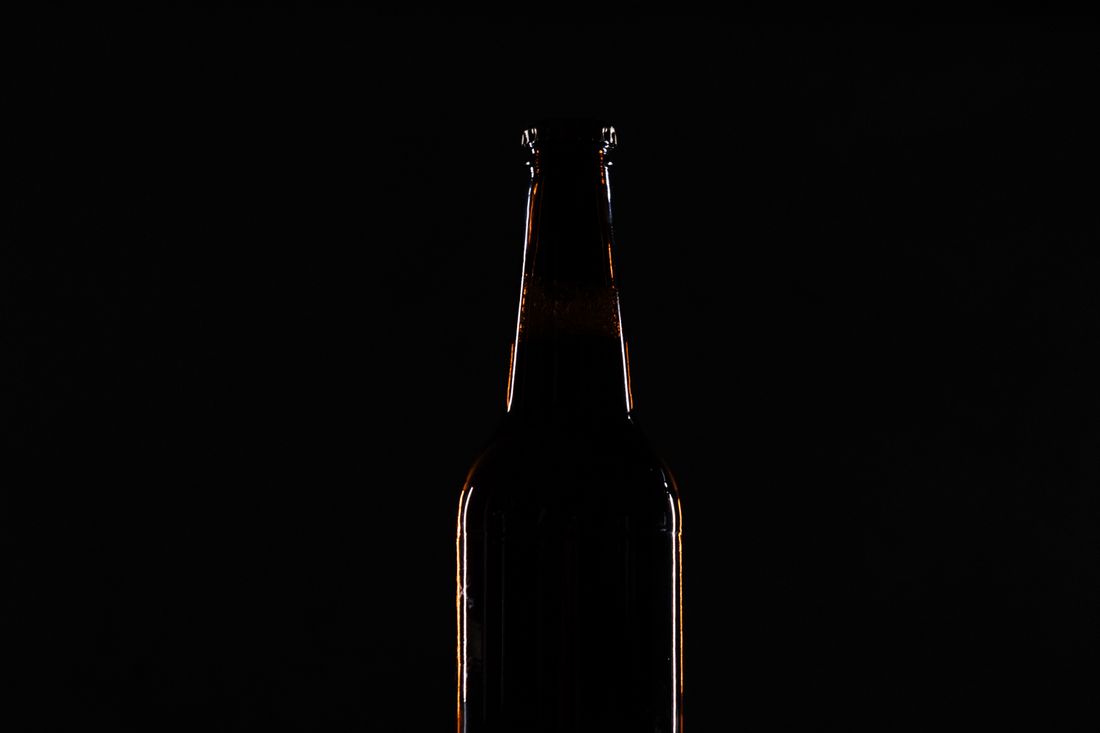
Photo by cottonbro studio via Pexels.
Ask five NYC studios what a bottle shoot costs and you'll get five variations of "depends, let's talk." Not because the number is a mystery, but because almost nobody in this niche publishes one. Search around and you'll find portfolios, contact forms, and quote-on-request buttons, not a single page that tells a spirits or wine brand what a session actually runs before they pick up the phone. That gap is the whole reason this guide exists. Here's what a liquor bottle photography session actually costs in NYC, broken down by scope, with the variables that move the number and what should be included once you're paying for it.
A single-bottle session in NYC typically runs $950 to $1,600, a multi-SKU product line half day runs $1,850 to roughly $3,000, and a full campaign day with liquid work and styling runs $3,000 to $3,500 or more. The spread comes from SKU count, how much liquid and styling work is involved, studio versus location, and usage rights.
Table of Contents
- The Short Answer: What Liquor Bottle Photography Costs in NYC
- Why Bottles Cost More Than an Ordinary Product Shot
- Cost by Scope: Single SKU, Product Line, or Campaign Day
- What Moves the Price, Part One: SKU Count and Liquid Work
- What Moves the Price, Part Two: Studio vs. Location and Usage Rights
- What a Finished Bottle Photography Set Should Include
- When a Generalist Product Session Is Actually Enough
- What the Brand Needs to Supply Before the Shoot
The Short Answer: What Liquor Bottle Photography Costs in NYC
A single bottle photographed cleanly, with a handful of finished hero images, typically lands in the $950 to $1,600 range in NYC. A product line covering several SKUs in one half day usually runs $1,850 up to around $3,000. A full campaign day with liquid work, cocktail builds, and lifestyle scenes runs $3,000 to $3,500 or more, depending on how many setups the day actually requires. Those ranges cover the market broadly, not one fixed formula, because the exact number always depends on scope.
Core Visuals publishes its own version of this structure directly: a single bottle session is $950, a product line half day covering up to four SKUs is $1,850, and a full campaign day is $3,500. That's unusual for this category. Search around the NYC beverage photography market and almost every studio hides pricing behind a contact form, quote-on-request, with no number until a call happens. Most of the pricing conversation with a spirits or wine brand isn't actually about whether these numbers are reasonable, it's about which tier matches what the brand needs shot. That's the question the rest of this guide answers.
Why Bottles Cost More Than an Ordinary Product Shot
Bottle photography costs more than typical product photography because glass, liquid, and condensation are all working against the photographer at once. A bottle is a mirror. It reflects every light source, every wall, every piece of equipment in the room, so getting a clean reflection that reads as the bottle's shape instead of the studio takes real light control, not a quick setup.
Liquid adds a second variable. Dark spirits swallow light and can go muddy without the right backlighting, while clear spirits and whites can wash out or lose their color entirely under the wrong exposure. Getting the liquid to read the correct color and density, consistently across a whole SKU line, takes testing most generalist product sessions don't budget time for. Condensation is the third problem, and it's the one with a clock attached. A chilled bottle starts beading the moment it leaves refrigeration, and that window is short. All three of these are solvable, but solving them is what separates a bottle specialist's day rate from a generic product photography rate, and it's the real reason this category costs more than a coffee mug or a skincare jar.
Cost by Scope: Single SKU, Product Line, or Campaign Day
Scope is the first thing that sets the price, before any other variable gets discussed. A single SKU session covers one bottle, shot cleanly with a small set of finished images, and it's the cheapest entry point because the day only needs one lighting setup built once. A product line session covers several SKUs shot as a coherent set in one sitting, usually a half day, and it costs more because more bottles means more label checks, more liquid tests, and more finished images to deliver, even though the core setup stays largely the same.
A campaign day is the largest scope, and it's priced differently because it usually isn't just bottles. Liquid work like pours and splashes, cocktail builds, lifestyle scenes, and sometimes portraits of the people behind the brand all get folded into one production day. That's Core Visuals' $3,500 tier, and it's built for a brand that needs a full library out of a single day rather than a narrow set of hero shots. Picking the wrong scope going in, a single-SKU booking for what's really a multi-SKU line, is the most common way a quote ends up feeling like it grew after the fact.
What Moves the Price, Part One: SKU Count and Liquid Work
SKU count and liquid work are the two variables that move a bottle quote the most directly, because each additional bottle adds real time, not just an extra frame. Every SKU needs its own label check, its own liquid test, and often its own reflection adjustment if the glass shape changes between products in the line. A five-SKU line isn't five times the work of one bottle, but it's meaningfully more than one, because label accuracy has to hold across every bottle in the set, not just the first one.
Liquid work is priced separately from a standing hero shot because it's a different discipline. A pour, a splash, or a cocktail build captured mid-motion takes multiple attempts to land clean, and each attempt means resetting the shot, the liquid, and sometimes the garnish. Market rates for this kind of per-image liquid work in NYC can run up toward $1,500 per finished image on its own, reflecting how much testing sits behind one usable frame. A brand that only needs static hero shots of the bottle itself will land well below a brand asking for pours, splashes, and builds across the same SKU count.
Photo by Mian Rizwan via Pexels.
What Moves the Price, Part Two: Studio vs. Location and Usage Rights
Studio versus location, and how the images will be used, are the second pair of variables that change a bottle photography quote, separate from SKU count or liquid work. A studio day is more predictable, and often less expensive, because the light, the surfaces, and the backgrounds are already built and repeatable. Shooting on location, at a distillery, tasting room, or a bar, adds travel and rigging into an unfamiliar space, but it can fold the people and the process into the same day, worth it for a brand that wants that story told.
Usage rights are the variable buyers most often forget to ask about until the invoice arrives. A brand that needs a handful of images for its own website and social channels needs less licensed usage than a brand running the same images in paid national advertising or in-store retail displays. Market day rates for NYC product photography generally sit in the $1,200 to $1,600 range before usage gets factored in, and broader usage almost always moves that number up. Naming how the images will run, and where, before the quote gets built is the simplest way to avoid a second conversation about rights later.
What a Finished Bottle Photography Set Should Include
A finished bottle photography set should include a hero shot per SKU, supporting angles, label-accurate close-ups, retouching, and clear usage terms, not just a folder of raw-looking files. The hero image is the one built to carry the product page or the shelf display, lit and composed to be the definitive shot of that bottle. Supporting angles and label details exist for the places a single hero shot can't cover, a listing thumbnail, a social crop, a spec sheet that needs to show the label text clean and sharp.
Retouching should be part of the package, not an add-on discovered after delivery, covering color accuracy, reflection cleanup, and consistency across every SKU in the set so the whole line looks shot by the same hand on the same day. And every finished set should come with usage terms stated plainly. A brand shouldn't have to guess whether the images it paid for can run in a paid campaign or only on its own website. Core Visuals' packages include full commercial usage, which is the kind of detail worth confirming with any studio before booking, not after the invoice.
When a Generalist Product Session Is Actually Enough
A generalist product photography session is genuinely enough for a bottle brand when the goal is simple, a small handful of clean images for a website or a listing, with no liquid work, no cocktail builds, and no complicated glass or dark spirits to wrangle. Not every bottle shoot needs a bottle specialist. A straightforward light spirit or wine bottle, photographed against a clean background with no pours or splashes involved, is a manageable job for a competent generalist product photographer who understands basic reflection control.
Where it stops being enough is once liquid work, dark spirits, condensation timing, or a multi-SKU line with label consistency requirements enter the brief. Those are the conditions that separate a simple product photo from a bottle photography specialty. Contact Core Visuals to discuss which kind of production the brief actually needs before booking.
What the Brand Needs to Supply Before the Shoot
The brand supplies the actual product, real bottles with the real, approved label, plus any props, garnish, or ice the shot calls for, and that list should get confirmed before the shoot date, not on the morning of. Real bottles matter because alcohol marketing imagery is expected to show the product as it's actually sold, label text sharp and accurate, not a stand-in or a mockup swapped in later.
For pours, splashes, or cocktail builds, backup bottles are worth budgeting for. Liquid work burns through product fast, since each attempt at a pour or a splash uses real liquid that can't be reused, and running out mid-shoot means either stopping early or rescheduling. Props like glassware, garnish, and ice should be discussed ahead of time so the studio knows whether to source them or whether the brand is bringing its own. A short supply list, agreed on before the shoot, is one of the cheapest ways to keep a bottle photography day running on schedule instead of losing time mid-session to a missing prop or a bottle nobody thought to bring an extra of.
Frequently Asked Questions
What affects the cost of liquor bottle photography the most?
SKU count and liquid work move the price the most directly. Each bottle in a line needs its own label check and liquid test, and pours, splashes, or cocktail builds require multiple attempts before one frame reads clean. Studio versus location and how broadly the images will be used, website only versus paid national advertising, also shift the number, but SKU count and liquid work are usually what separates a modest quote from a large one.
Is liquor bottle photography priced per image or by the day?
Both structures exist in the market. A day-rate structure, like Core Visuals' published tiers, covers a defined scope, single bottle, product line, or campaign day, for one price regardless of exactly how many finished images come out of it. Per-image pricing shows up more often for specialized liquid work, where pours or splashes are priced individually because each one takes its own setup and multiple attempts to get right.
Does the brand need to supply the bottles and props?
Yes. The brand supplies the actual bottles with real, approved labels, since alcohol marketing imagery is expected to show the product as it's sold. Backup bottles are worth having on hand for liquid work, since pours and splashes use up real product with each attempt. Garnish, ice, and glassware should be discussed ahead of time so it's clear whether the studio sources them or the brand brings its own.
How many images should come out of one SKU?
That depends on the package and how the bottle will be used, but a single-bottle session typically delivers a small set of finished hero images plus supporting crops for social use, rather than one lone shot. A product line session multiplies that per SKU, since each bottle in the line needs its own hero and label-detail coverage to hold consistency across the whole set once it's published together.
Should liquor bottle photography happen in a studio or on location?
Studio is usually the more predictable and often less expensive choice, since the lighting and backgrounds are already built and repeatable across every bottle. On location, at a distillery, tasting room, or bar, adds travel and rigging time, but it lets the shoot fold in the space and the people behind the brand in the same day, which is worth the added cost for a brand telling that larger story.
Related Reading
Shooting a bottle, can, or product line?
Send us the SKU count and where the images will run. We'll confirm the package and the shot list in one email, and our pricing is published.
Ask About Bottle Photography