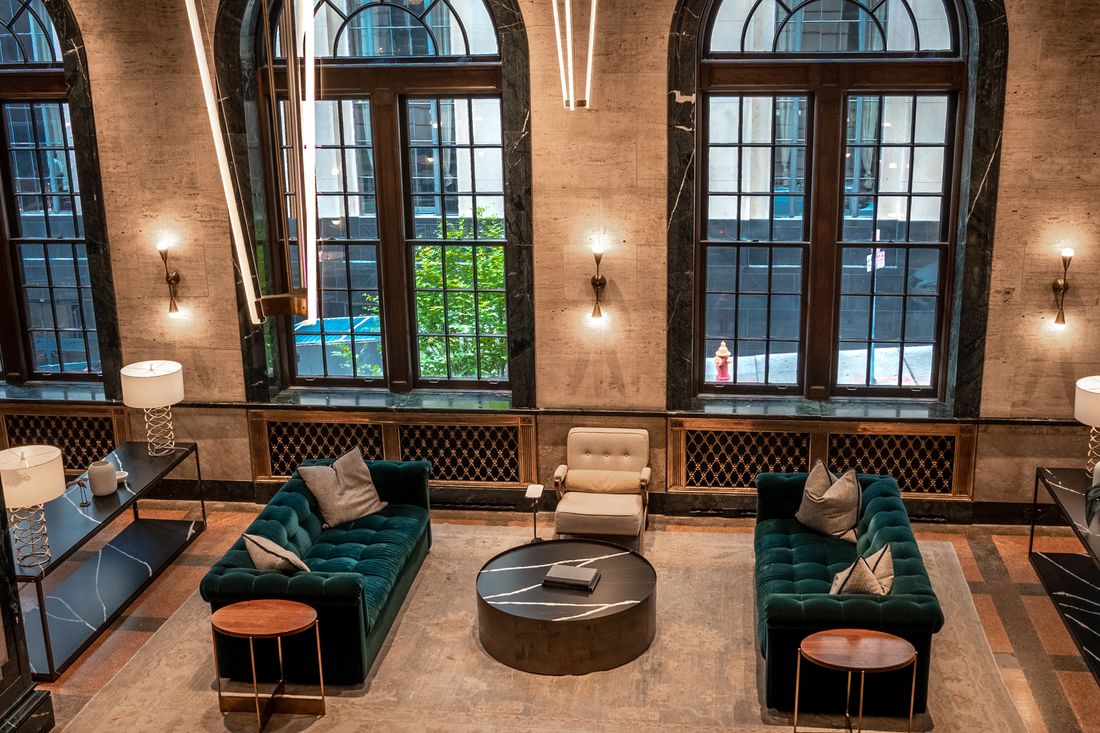
Photo by Katie Cerami via Pexels.
Hotel staff get photographed constantly, but almost none of it is a portrait. Marketing shoots capture a server mid-pour or a concierge gesturing toward the elevator, atmosphere for the property's own lifestyle imagery, not a credible image of the person actually running the building. A general manager, a director of sales, an executive chef, and the rest of a leadership team need something different: individual portraits built for a press bio, a sales deck, or an award submission, shot on a property that never stops operating long enough to hand over an empty room.
A hotel management headshot is an individual portrait built for press, sales decks, and award submissions, distinct from the property's guest-facing lifestyle photography. Because a hotel never fully closes, the session works around a rotating schedule tied to each leader's own shift, in a quiet location scouted away from guest traffic, rather than one shared block of time.
Table of Contents
- Why a Hotel Leadership Portrait Needs a Different Register Than Guest-Facing Photography
- Who on a Hotel Leadership Team Actually Needs a Portrait
- Shooting on a Property That's Operating the Entire Time
- Where a Session Can Actually Happen Inside a Working Property
- How a Rotating Schedule Gets the Whole Team Through in One Visit
- How the Leadership Set Differs From the Property's Existing Lifestyle Photography
- Where a Hotel Leadership Portrait Actually Gets Used Afterward
- Planning a Leadership Shoot Around a Property That Doesn't Stop
Why a Hotel Leadership Portrait Needs a Different Register Than Guest-Facing Photography
A hotel management headshot needs to read as an individual decision-maker, not as part of the property's lifestyle imagery. Guest-facing marketing photographs people constantly, but almost always as atmosphere: a server mid-pour, a concierge gesturing toward the elevator, someone smiling past the camera at a guest who isn't there. None of that is a portrait, and none of it does the job a leadership photo has to do.
The distinction matters because the two image types get used differently and read differently. Lifestyle photography sells the property. A management portrait represents a person, and it gets used in places the lifestyle set never goes: a press bio, an industry award submission, a sales deck sent to a corporate meeting planner deciding between properties. Shot the same way as the ambient marketing photography, a general manager's photo looks like an extra in someone else's scene instead of the person actually running the building. The register has to shift on purpose, not by accident.
Who on a Hotel Leadership Team Actually Needs a Portrait
A hotel leadership set usually covers five roles: the general manager, director of sales, the events and catering leads, the executive chef, and revenue or operations management. Each one is photographed for a different reason, and each one's portrait ends up in a different place, from a press release to a wedding-planner's proposal deck to an internal org chart.
The general manager's photo is the one most likely to leave the property entirely, showing up in local press, a chamber of commerce bio, or a franchise company's leadership page. The director of sales and the events and catering leads need a portrait built for a proposal document or a planner-facing sales page, since they're often the first face a corporate or wedding client sees before ever visiting. The executive chef's photo does double duty for restaurant press and F&B marketing. Revenue and operations management rarely appear publicly at all, which is exactly why their portrait tends to get forgotten until an internal directory or an ownership report needs one and nothing current exists.
Shooting on a Property That's Operating the Entire Time
A hotel never closes, which means there's no version of a shoot day where the property empties out and the team gets an uninterrupted block of time. Guests are checking in, a wedding block might be loading in downstairs, and half the leadership team is mid-shift during whatever window looks free on a calendar. The session has to work around the building's real schedule, not around a calendar invite.
That's a different planning problem than most corporate headshot days face, where an office simply blocks a conference room and people show up between meetings. A hotel's leadership rarely has a shared free hour, because a slow moment for the front desk is often a busy one for events or F&B. The fix isn't finding a mythical quiet hour — it's accepting that each person's window will be different, tied to their own shift and department's slow point, and building the shoot schedule around those separate windows instead of one shared block.
Where a Session Can Actually Happen Inside a Working Property
A working hotel almost always has a spot that photographs well and stays out of guest traffic: an underused meeting room, a corner of the lobby before check-in picks up, a service corridor near the back of house, or a staff area with decent light. The right location is less about finding somewhere pretty and more about finding somewhere the shoot won't collide with what the property is doing that day.
Public-facing rooms look appealing on a walkthrough but often turn out to be the worst choice, because they're exactly where guest traffic concentrates and exactly where a portrait setup becomes an obstacle. A quieter room just off the main flow, even a plain one, usually works better: consistent light, no one walking through the background, and no guest wondering why there's a backdrop stand in the lobby they're trying to check into. Scouting that space ahead of the day, with the property's own team pointing out which rooms are genuinely dead at which hours, saves the actual shoot from becoming a negotiation with foot traffic.
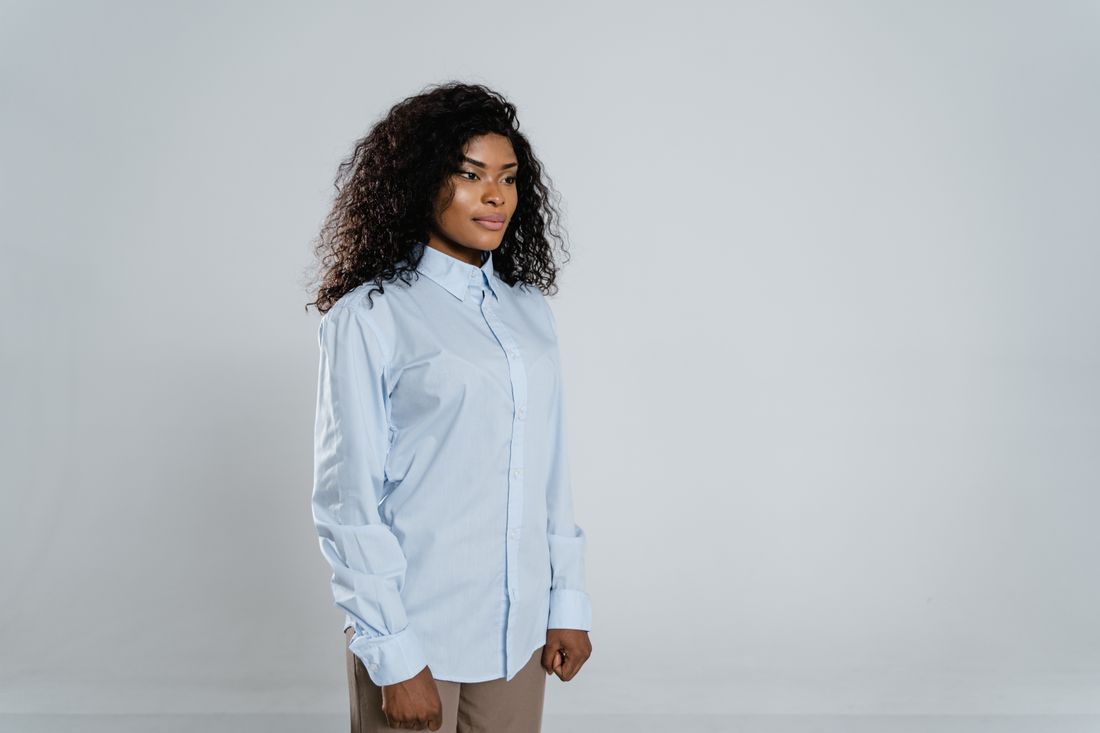
Photo by MART PRODUCTION via Pexels.
How a Rotating Schedule Gets the Whole Team Through in One Visit
A rotating schedule, where each leader gets a short, specific call time built around their own shift instead of everyone showing up at once, is what gets a full hotel leadership team through in one visit. The photographer stays in one location for the whole day; the people move through it one at a time, on a schedule built around the building instead of a single fixed block.
Building that schedule starts with a conversation, not a template — someone on the property's team who knows the real rhythm of the day has to map out when the executive chef is between prep and service, when the director of sales has a gap between calls, when the GM can step away without missing a check-in rush. A rotating call sheet with buffer time between each person absorbs the inevitable slip when someone runs ten minutes late because a guest needed them first, without the whole day falling apart. The result is a full leadership set finished in one visit, without ever asking the property to pause what it's doing.
How the Leadership Set Differs From the Property's Existing Lifestyle Photography
Guest-facing lifestyle photography already covers the property's atmosphere, so a leadership set shouldn't try to repeat that job. The lifestyle images sell the space, the service, and the experience of staying there. The management portraits do something narrower: put a specific, credible face on the people running it, for audiences who are evaluating the people, not booking a room.
Mixing the two registers is the most common way a hotel's photo library ends up thin in exactly the place it needs strength. A director of sales photographed candidly at an event, mid-conversation with a guest, might be a nice atmosphere shot, but it's not something a corporate planner can drop into a vendor comparison next to a competing property's polished portrait. A management set needs its own dedicated pass, composed like a portrait rather than caught like a moment, so it can stand on its own wherever it gets used instead of depending on the lifestyle library to make the case.
Where a Hotel Leadership Portrait Actually Gets Used Afterward
A finished hotel leadership portrait needs to work across a press bio, an industry award submission, a sales or proposal deck, a LinkedIn profile, and the property's own leadership page, since the same image often gets reused across all of them without a second shoot. Delivering one tight crop built for a single use leaves whoever needs it next scrambling to make it fit somewhere it wasn't shot for.
A press bio or an award submission usually wants a cleaner, more neutral crop than a sales deck, which can afford a bit more warmth and personality since it's selling a working relationship, not just confirming a name and title. LinkedIn tends to want the friendliest version of the set. Delivering a couple of framing options per person, rather than one fixed crop, means the director of sales can hand the friendlier version to a planner while the general manager's office keeps the more formal one for press, without anyone going back for a reshoot months later over a use the first shoot didn't plan for.
Planning a Leadership Shoot Around a Property That Doesn't Stop
Planning a hotel leadership shoot starts with picking a genuinely low-occupancy stretch and coordinating directly with whoever manages the property's marketing or PR, since that person usually already knows which week works and which rooms are free. Booking around a slow period doesn't guarantee an empty hotel, but it narrows the gap between the calendar and what the building is actually doing.
The property side of the planning matters as much as the photography side. Someone internal needs to confirm call times against real shift schedules, flag any group business or events that would make a given room unusable that day, and give the team enough notice to plan around a portrait session on top of running the hotel day to day. None of that needs to be complicated. A short planning call a week or two ahead, covering location, timing, and who's actually available when, is usually enough to keep the shoot day itself simple instead of improvised, and it means nobody on the leadership team is caught off guard mid-shift.
Frequently Asked Questions
How is a hotel management headshot different from the property's guest-facing photography?
Guest-facing photography is lifestyle imagery meant to sell the property's atmosphere and service, often shot candidly with staff photographed as part of a scene. A management headshot is a portrait of a specific decision-maker, composed on its own rather than caught in a moment, built for a press bio, a sales deck, or an award submission. The two serve different audiences and shouldn't be treated as interchangeable parts of the same photo library.
Which roles on a hotel leadership team typically need a portrait?
The general manager, director of sales, events and catering leads, executive chef, and revenue or operations management are the roles most commonly included. The general manager and director of sales tend to need theirs most, since their photos travel furthest, into press, proposal decks, and planner-facing pages. Revenue and operations leaders are the easiest to forget, since they rarely appear publicly until an internal directory or ownership report needs a current photo.
How does a shoot work around a hotel that never closes?
It works around individual schedules rather than one shared block of time. Each leader gets a short call time tied to their own shift or their department's slow point, rather than everyone being asked to clear the same hour, which rarely exists on a property running continuously. The photographer stays in one scouted location for the day while people rotate through on a staggered schedule built with buffer time for the inevitable delay.
Where inside a hotel does a leadership headshot session actually happen?
Usually somewhere out of guest traffic rather than in the most photogenic public space. An underused meeting room, a quiet lobby corner before check-in traffic builds, or a back-of-house area with decent light tends to work better than a busy public room, which looks appealing on a walkthrough but puts the session directly in the path of guests trying to move through the property that day.
What should the final delivery include for a hotel leadership set?
More than one crop per person is worth planning for, since the same portrait typically needs to work across a press bio, a sales deck, LinkedIn, and the property's own leadership page. A cleaner, more neutral crop suits press and award use; a slightly warmer version works better for a sales or proposal deck. Delivering both up front avoids a reshoot request months later when a new use case comes up.
Related Reading
Planning headshots for a finance or wealth management team?
Tell us your team size and the tone you're going for, and we'll build a session that fits the credibility bar this industry actually needs.
See Headshots & Brand Videos