
Photo: Core Visuals NYC
A healthcare provider's headshot has to do something most professional photos don't: hold two impressions at the same time. Look competent enough that a stranger will trust you with their care, and warm enough that they'd actually want to sit across from you. A law firm headshot only needs the first. A creative studio only needs the second. A medical practice needs both, in the same frame, without either one canceling the other out.
Credible-and-approachable healthcare headshots come from directing warmth deliberately, not from wardrobe alone. Choose one background and lighting setup for the whole practice, decide white coat or no white coat as a group standard, and coach each provider toward a genuine, slightly open expression rather than a stiff clinical pose or a forced smile.
Table of Contents
- Why healthcare headshots need a different balance than other industries
- White coat or no white coat: what the choice actually signals
- Clinical background vs. neutral studio: choosing the setting
- Building one visual system across a multi-provider practice
- Directing warmth without asking anyone to fake it
- Where these photos actually get used
- Retouching healthcare headshots: staying natural and credible
- Planning a headshot day for a busy practice
Why healthcare headshots need a different balance than other industries
Healthcare provider headshots carry a narrower, more specific balance than most professional photography: the image has to signal competence and warmth in equal measure, because a patient is deciding whether to trust this person with their body, not just their business. A law firm headshot leans almost entirely on authority. A creative agency headshot leans almost entirely on personality. A healthcare headshot can't lean either direction too far.
Tip too far toward clinical seriousness and the provider looks unapproachable, which matters more in healthcare than in most fields, since patients are already anxious before they've read a single word of a bio. Tip too far toward casual warmth and the photo can undercut the credibility a new patient is specifically looking for when comparing providers online. The useful frame isn't "friendly doctor" or "serious doctor." It's a provider who looks like someone competent enough to trust and human enough to talk to.
That balance gets set through direction and technical choices working together, not through picking one adjective and shooting toward it. The next sections cover the specific decisions that hold that balance in place.
White coat or no white coat: what the choice actually signals
A white coat signals clinical authority instantly and works well for specialties where patients expect to see one, like primary care or surgery-adjacent fields. Skipping it in favor of business-casual or a simple blouse or button-down tends to read as more approachable and can suit therapy-adjacent, pediatric, or wellness-forward practices where the goal is lowering a patient's guard rather than reinforcing clinical formality.
Neither choice is inherently more professional. The decision should follow how the practice already presents itself, not a generic idea of what a "real doctor" is supposed to look like. A dermatology practice built around a calm, spa-adjacent brand may undercut its own positioning with stiff white coats. A practice that fields a lot of first-time-patient anxiety about a serious diagnosis may benefit from the coat's instant credibility signal.
Whatever gets decided, it should be decided once, for the whole practice, before the first person sits down. A mix of white coats and civilian clothes across the same provider directory reads as disorganized rather than varied, and it's one of the fastest ways to undercut the very consistency a multi-provider practice needs. Pick a lane, document it, and apply it evenly.
Clinical background vs. neutral studio: choosing the setting
A neutral studio background, whether soft white, gray, or a muted color, keeps the focus entirely on the provider's face and expression and travels well across a website, insurance directory, and patient portal without looking out of place in any of them. A background that reads as clinical, like an exam room or a hallway, can add context but introduces visual noise that competes with the actual point of the photo: the person's face.
Neutral studio settings also age better. A practice's exam rooms get renovated, equipment gets replaced, and a headshot shot against last year's clinic backdrop can start to look dated in a way a plain gray backdrop never will. That matters more for healthcare directories than most business headshots, since providers are often listed for years without a reshoot.
The exception is a practice actively building a warm, welcoming environment as part of its brand, where a softly blurred, tidy office corner can support that story better than pure studio white. Even then, the background should stay secondary and consistent across every provider, not vary room to room depending on which office happened to be free that day.
Building one visual system across a multi-provider practice
A practice with many providers needs one repeatable visual system, not one identical photo copied across every person. Lock the background, lighting, camera height, crop, and color treatment before the first session, then let expression and posture flex person to person. That's what makes a directory page of ten or twenty providers feel like one coherent practice instead of a folder of headshots collected from different sources over several years.
This matters more in healthcare than in most industries because practices grow gradually. A new provider joins, gets photographed on a different day with a different photographer using a different setup, and suddenly the team page has one visual era next to another. Documenting the exact technical setup, not just the general look, is what lets a new hire's headshot slot into the same system a year later without a visible seam.
Consistency doesn't mean uniformity. A pediatrician and a surgeon can share the identical lighting rig and background while looking appropriately different in expression and energy. The system holds the page together. The people inside it can still look like themselves.
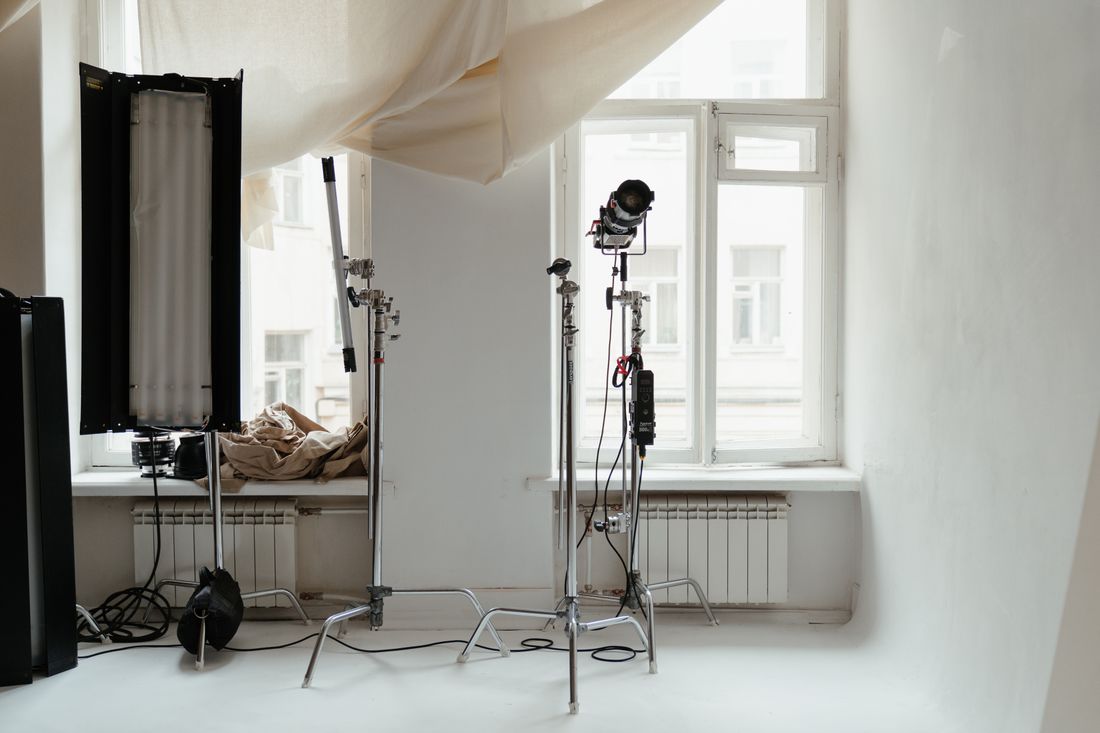
Photo: Core Visuals NYC
Directing warmth without asking anyone to fake it
Genuine warmth in a headshot comes from directing a real reaction, not from instructing someone to smile bigger. A forced, camera-aware grin is exactly what makes healthcare headshots look staged, since patients can sense a performed expression even in a still photo. Better direction gives the provider something real to react to: a specific thought, a small joke, a question about their actual day.
Photographing several frames across a short range, from neutral to a small natural smile to a fuller one, gives the provider and the practice a real choice instead of locking in whatever expression happened to land on the one frame everyone agreed to use. Some providers read as most credible with a composed, slightly warm expression. Others look better with a fuller, open smile. The point of shooting a range is finding out which is true for that specific person, not applying the same instruction to everyone.
The words used in direction matter too. "Think about a patient you were glad to help" produces a different, more believable expression than "smile bigger," because it gives the face something to actually do instead of something to perform.
Where these photos actually get used
Healthcare provider headshots show up in more places, at more sizes, than most professional headshots: website bios, patient portal profiles, insurance directory listings, appointment confirmation emails, and sometimes printed materials in the waiting room itself. Each context crops and scales the image differently, which is a practical reason the framing needs to work at both a large hero size and a tiny thumbnail.
Insurance directory listings in particular tend to display headshots at a very small size, sometimes barely larger than a thumbnail, next to plain biographical text. A photo that depends on subtle expression or a wide environmental frame to read as approachable can lose that entirely at directory size. A simple, well-lit, front-facing crop with clear separation between the subject and background survives the size drop far better than a more stylized frame.
Ask each destination for its crop and background rules before the shoot, not after. A find-a-doctor directory may require a square crop on a plain background with no exceptions, while the hospital's own bio page wants a vertical crop for its layout. Shooting one clean, centered frame with room around the subject lets every downstream system crop it the way it needs to without a reshoot.
Because these photos circulate across so many touchpoints a patient encounters before ever meeting the provider in person, the photo is often doing more first-impression work in healthcare than in most other fields. Planning the shoot around the smallest, least flattering use case, not just the website hero version, is worth the extra planning step.
Retouching healthcare headshots: staying natural and credible
Healthcare headshots call for restrained, natural retouching that removes temporary distractions like stray hairs or clothing lint while preserving the provider's actual, recognizable appearance. Heavy retouching that smooths skin into an artificial finish or noticeably alters someone's features works against the exact trust the photo is supposed to build, since patients meeting the provider in person will notice the gap.
This standard matters more in healthcare than in many industries because the relationship between the photo and the in-person meeting is unusually direct. A patient who booked based on a headshot is meeting that specific person, often during a moment of real vulnerability, and a photo that reads as noticeably different from the person in the room adds a small, avoidable layer of distrust to an interaction that already carries enough uncertainty.
Agree on a retouching sample before processing the full set, especially across a large practice where multiple providers are photographed on different days. One documented editing standard, applied evenly, keeps the whole directory looking like it belongs to the same practice.
Planning a headshot day for a busy practice
A healthcare practice headshot day works best scheduled around clinical hours, not against them, with fixed time slots that respect how tightly a provider's day is already booked. A 10-15 minute slot per provider, scheduled into gaps between patients or before the clinic opens, keeps the shoot from competing with actual patient care, which is the one thing that can't move to accommodate a photography schedule.
Because providers often can't step away for long, the technical setup needs to be fully ready before the first person sits down. That means the background, lighting, and camera position are locked in advance so each session stays a true 10-minute in-and-out rather than a slow-building setup repeated every time someone has a free moment.
Rarely does a practice get every provider free on the same day, so the honest plan is a rolling schedule across a few visits rather than one all-hands session. Booking the first pass around the providers with the most rigid schedules, then returning for stragglers with the exact same setup still locked in, keeps the whole directory consistent even when the calendar didn't cooperate.
Core Visuals currently lists team headshots at $1,500 for the first five people, including on-location photography, professional retouching, web and print files, and 7-10 day delivery, with volume pricing as the group grows. For a practice with providers across multiple locations, planning the visit order around which offices see patients on which days tends to matter more than the photography itself.
Frequently Asked Questions
Should healthcare providers wear a white coat in their headshot?
It depends on the practice's overall presentation, not on a universal rule. A white coat signals clinical authority and suits primary care or surgical specialties where patients expect it. Business-casual or simple professional clothing without a coat tends to read as more approachable and can suit pediatric, therapy-adjacent, or wellness-focused practices. Whichever direction is chosen, apply it consistently across every provider in the practice rather than deciding it person by person on shoot day.
What background works best for medical practice headshots?
A neutral studio background, such as soft white, gray, or a muted color, keeps focus on the provider's face and works reliably across a website, patient portal, and insurance directory. Clinical settings like exam rooms add visual noise and tend to date quickly as offices get renovated. Save environmental, office-adjacent backgrounds for practices actively building a specific warm-office brand, and even then keep the setting consistent across every provider.
How do you keep headshots consistent across a large practice with many providers?
Lock the background, lighting, camera height, crop, and retouching standard before the first session, and document the exact setup so it can be reproduced for providers photographed later or on a different day. Expression and posture can vary naturally from person to person. What needs to stay fixed is the technical system, since that's what makes a directory of many providers read as one coherent practice.
What's the best way to look approachable without looking staged?
Approachability comes from directing a genuine reaction rather than instructing someone to smile bigger. Giving a provider something real to think about, like a patient interaction they were glad to have, produces a more believable expression than a generic smile cue. Shooting a small range of expressions, from neutral to lightly warm to more open, also helps find the version that looks natural rather than performed for that specific person.
How much does a headshot session cost for a healthcare practice in NYC?
Core Visuals currently lists team headshots at $1,500 for the first five people, including on-location or studio photography, professional retouching, web and print files, and 7-10 day delivery. Volume pricing applies as the group grows. Multi-location practices should plan the visit order around clinical schedules and provider availability, since coordinating around patient care tends to affect the overall timeline more than the photography itself does.
Related Reading
Need headshots or a short brand video across the whole team?
Send the headcount and whether you want photo, video, or both, and we'll quote it with the volume discount built in.
See Headshots & Brand Videos