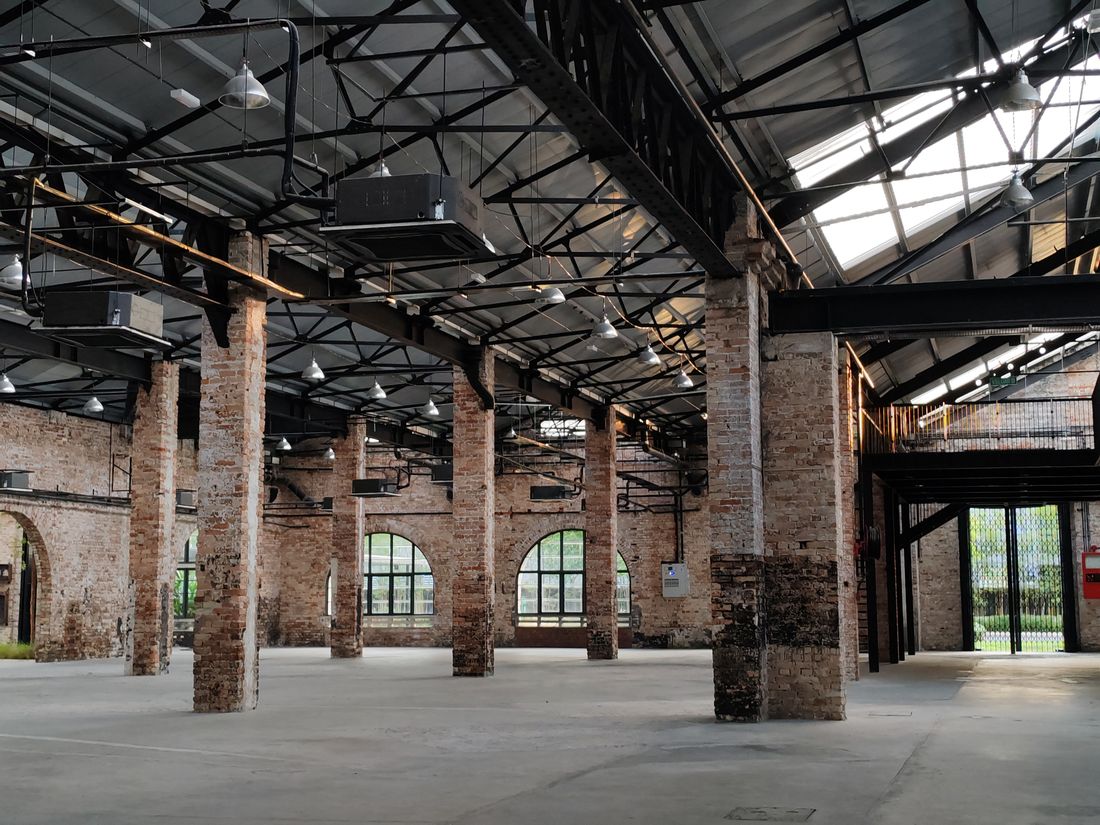
Photo by Glypse Tan via Pexels.
A facility tour for investors or a major client is one of the few shoots where the images have a specific job: getting into a deck that closes something. The room is a working space, not a set, the visitors are a handful of senior people on a tight schedule, and the photographer has to move through all of that without becoming part of the tour itself. Treating the day like a promotional event, wide shots, posed smiles, energy aimed at a lens, misreads what the room is actually for. Here's what the coverage plan for a real facility or site visit actually needs to cover, and where it has to be decided before anyone walks in the door.
Coverage for an investor or major-client facility tour is built for a follow-up deck, not a social feed. It needs to show real scale, working capability, people at their actual jobs, and one genuine human moment, while staying out of the way of a small, senior, time-pressed group.
Table of Contents
- This Is Not a Promotional Event, and Shooting It Like One Is the Failure Mode
- What the Follow-Up Deck Actually Needs From These Images
- The Confidentiality Problem Gets Solved Before the Day, Not in the Edit
- Why the Tour Route and the Shot List Are the Same Document
- Covering the Room Without Becoming Part of the Tour
- The Visitors Are Few, Senior, and Busy, and the Coverage Logic Follows From That
- The Honest Limit: Some Rooms Cannot Be Photographed, and the Plan Should Say So Upfront
- What Happens to the Images After the Tour Is Over
This Is Not a Promotional Event, and Shooting It Like One Is the Failure Mode
A facility or site tour for investors or a major client is coverage built to help someone say yes to a specific decision, funding, a contract, a partnership, not a brand moment aimed at a social feed. The visitors already believe the company is real. What they're deciding is whether it's ready.
Shooting it like a promotional event is the failure mode, and it's an easy one to fall into, because the instinct that runs a launch party or an office opening is a good instinct in the wrong room. That instinct wants energy, smiles turned toward the lens, wide shots of a space dressed for an audience. A working facility mid-tour has none of that, and manufacturing it reads as staged the moment the deck lands in front of someone who already knows what a real operation looks like.
The room isn't a set. It's the thing being evaluated. The job is to document it as it actually runs, well enough that a person who wasn't there can look at the images afterward and believe what they're seeing.
What the Follow-Up Deck Actually Needs From These Images
A facility tour's images almost never end up on social media. They end up in a follow-up deck, sent days later to someone who wasn't in the room, and that deck needs four specific things: a sense of scale, visible capability, people actually at work, and one genuine human moment that keeps the whole set from reading like a catalog.
Scale means the space read at a size that matches what was said out loud on the tour, a production floor that looks like it can run the volume the pitch described, a lab that looks equipped for the work being claimed. Capability means the machinery, the workstations, the process itself, shown doing something rather than posed and idle. People at work is the credibility layer: hands on a task, not staged around a table.
The one human moment, a real exchange, a genuine reaction, is what stops the set from reading as a stock library. Deck-ready coverage is built around those four jobs, not around covering the room evenly.
The Confidentiality Problem Gets Solved Before the Day, Not in the Edit
A working facility holds real intellectual property in plain sight: proprietary equipment, in-progress product, screens running live data, documents on a desk. The confidentiality problem this creates gets solved before the shoot starts, through a pre-day clearance conversation with whoever owns the space, not fixed afterward by blurring things out of frames that shouldn't have been taken in the first place.
That conversation is short and concrete: which rooms are open, which screens need to be dark or turned before anyone walks in, which equipment carries a maker's mark or a part number that shouldn't appear in a frame meant to leave the building. Getting that list in writing ahead of time means the day itself doesn't require constant judgment calls made on the fly, in front of the visitors, about what's safe to point a camera at.
Blurring a logo after the fact is a repair, not a plan, and it's the kind of repair that shows. A cleared list, confirmed before anyone arrives, removes the question entirely.
Why the Tour Route and the Shot List Are the Same Document
The path the visitors walk and the list of images the day needs to produce are the same document, because the coverage can only happen where the group actually goes, in the order they go there, at the pace the tour sets. Building a shot list without the route first is planning against a floor plan nobody is going to walk.
That means the useful planning conversation happens with whoever built the walking route, not in isolation, and it happens before the day, not on it. Where does the group pause. Where does someone talk for two minutes while everyone stands still, which is the only reliable window for a considered frame rather than a grabbed one. Where does the route move fast, past a floor or a hallway that only allows a frame taken in stride.
Once the route and the shot list are the same document, the day stops being a scramble to catch up with a moving group and becomes a plan for exactly where the useful images are actually available to take.
Covering the Room Without Becoming Part of the Tour
The visitors are there to evaluate a business, not to navigate around a photographer, and coverage that works stays out of that experience entirely: no asking the group to pause, no directing anyone to look somewhere, no becoming a second thing the host has to manage alongside the actual tour. The camera should be the least noticeable part of the room.
In practice that means moving ahead of the group to be positioned before they arrive rather than trailing behind and asking them to wait, working from the edges of a room instead of its center, and reading the host's pace closely enough to know when a pause is a real conversation worth a frame and when it's simply the group catching its breath. It also means accepting that some genuinely good frames get missed because taking them would have meant stepping into the group's sightline or slowing the walk down.
A tour that never notices the photographer was there is coverage that actually did its job.
The Visitors Are Few, Senior, and Busy, and the Coverage Logic Follows From That
A facility tour for investors or a major client usually moves a handful of people, not a crowd, and those people are senior and short on time. That changes the coverage logic entirely: there's no wide group shot to fall back on, no volume of similar frames to cull from later, and very little tolerance for anything that reads as posed or performed for a camera.
With three or four people instead of two hundred, every usable frame has to come from genuine attention paid to a specific moment, not from shooting broadly and hoping something in the batch works. That means watching individual body language closely, staying ready for the moment someone leans in to actually look at something rather than simply walk past it, and accepting that a tour like this produces fewer total images than an event, with a higher share of them worth keeping.
Fewer, sharper frames beat volume here, because volume was never the point a senior, time-pressed visitor was going to notice.
The Honest Limit: Some Rooms Cannot Be Photographed, and the Plan Should Say So Upfront
Some rooms on a facility tour genuinely cannot be photographed, a server room, a cleanroom mid-process, an area holding a competitor's confidential samples under a shared agreement, and the honest plan says so before the day starts rather than discovering it mid-tour. Naming the limit in advance is a strength, not a gap in the coverage.
A pre-day walk with whoever owns the space, or at minimum a direct conversation about the route, surfaces these rooms early enough to plan around them instead of improvising an awkward stop mid-tour where a camera has to come down in front of the visitors. That moment, a camera visibly turned off or a photographer waved back, reads worse in the room than simply never having planned to shoot there.
A shot list built around what's actually available, with the closed rooms named upfront rather than discovered on the day, produces a cleaner set of images and a tour that never has an awkward pause built into it.
What Happens to the Images After the Tour Is Over
These images almost always have one specific job after the tour: going into a follow-up deck, sent to a decision-maker who wasn't in the room, on whatever timeline that follow-up runs on, not a social post published for a general audience. That changes what fast delivery means and what the images need to look like when they land.
A quick, targeted select, the handful of frames that actually cover scale, capability, people at work, and that one human moment, matters more here than a large final gallery delivered a week later. The deck usually goes out within days, sometimes sooner, and the images need to be ready on that clock, formatted for a slide rather than a feed, with nothing in frame that needed clearing after the fact because clearance already happened before the shoot.
Coverage built with the deck's actual deadline in mind, not a generic turnaround, is what makes the images useful to the person actually deciding, instead of a polished set that lands after the decision has already moved on without them.
Frequently Asked Questions
What kind of coverage does a facility or site tour for investors or a major client actually need?
It needs images built for a follow-up deck, not a social feed: a sense of the facility's real scale, visible operational capability, people genuinely at work, and one authentic human moment. The visitors are few and senior, the space is a working environment rather than a set, and the coverage plan should follow the tour route itself rather than try to cover every corner of the room evenly on its own schedule.
How is confidentiality handled when photographing a working facility during an investor or client visit?
Through a clearance conversation before the shoot, not editing afterward. Whoever owns the space identifies which rooms are open, which screens need to be dark before anyone walks in, and which equipment shouldn't appear in a frame meant to leave the building. That list, confirmed in writing ahead of time, removes the need for judgment calls made on the fly, in the room, in front of the actual visitors.
Why does the tour route matter for planning the shot list?
Because the coverage can only happen where the group actually walks, in the order they walk it, at the pace the host sets that day. Building a shot list without the route first means planning against a floor plan nobody is going to follow. Coordinating with whoever built the walking route, before the day rather than during it, turns the route and the shot list into one working document instead of two.
Can every room on a facility tour be photographed?
No, and an honest coverage plan says so upfront rather than finding out mid-tour. Server rooms, a cleanroom mid-process, or an area holding confidential material under a separate agreement are common exceptions on a working site. Naming those limits before the day, through a pre-day walk or at minimum a direct conversation about the route, avoids an awkward stop where a camera visibly has to come down in front of the visitors.
What happens to the photos after an investor or client site tour? Do they go on social media?
Usually not. These images typically go into a follow-up deck sent to a decision-maker who wasn't on the tour, delivered on whatever timeline that deck actually runs on, often within days. That means a fast, targeted select matters more here than a large final gallery, and the images get prepared to sit cleanly on a slide rather than to perform as a public social post.
Related Reading
Not sure if hourly or a package makes more sense for your event?
Tell us the expected length, and we'll run the actual numbers before you book.
See Event Coverage Packages