
A reporter calls, asks three questions, and quotes you by name in a story that goes out to more people than you've met in your career. That's the trigger. Most people don't have a single usable photo of themselves ready when it happens, and they find that out at the worst possible moment.
The moment someone gets quoted in press for the first time is a proactive trigger, not a reactive scramble, and it calls for a small, specific set of visual assets: one clean current headshot, a short establishing shot in their actual work environment, and a simple way to send both fast. This is different from a press kit built after coverage exists or assets requested once a reporter already has a deadline. It's the minimum kit someone needs the moment they realize reporters might call again.
Table of Contents
- The Quote That Quietly Changes Things
- Why This Is a Proactive Ask, Not a Reactive One
- The Minimum Kit This Moment Actually Needs
- Having It Ready to Send, Not Ready to Find
- Why This Isn't a Full Press Kit Yet
- What a Good Environmental Shot Actually Looks Like
- Timing the Shoot Around the Trigger, Not a Calendar
- Keeping the Kit Current as the Pattern Continues
The Quote That Quietly Changes Things
Getting quoted once doesn't feel like a turning point while it's happening. It feels like answering a few questions on the phone. But a reporter who calls once often calls again, and the second call usually comes with less notice and a tighter deadline than the first.
The shift is subtle. Before the first quote, nobody's photo of you matters much for press purposes. After it, you're a named, searchable source attached to a topic, and the next journalist writing about that topic might just search your name and grab whatever comes up first.
That's the real risk of doing nothing. Not that you'll never get quoted again, but that the visual that ends up next to your name is a five-year-old conference badge photo or a blurry LinkedIn crop, chosen by someone else because it was the only option available.
Treating the first quote as a signal, rather than a one-off, is what separates people who build on a moment like this from people who let it pass without noticing it happened.
Why This Is a Proactive Ask, Not a Reactive One
A reactive press kit gets built after coverage exists, usually to support a specific story that's already running. This is different. It's about being ready before the second call, not scrambling to catch up after the first one already happened.
The distinction matters because the two moments call for different assets. Coverage that already ran might need a formal bio and a longer asset library. The trigger moment, the first time someone realizes they're now a source reporters might call, only needs enough to answer the very next request without delay.
Waiting until a second reporter calls to figure this out means missing the window where preparation actually helps. A reporter on a deadline doesn't wait a week for a headshot. They use whatever's available or move on to a source who already has something ready.
Getting ahead of it costs very little. A short session, a couple of usable files, and a plan for where to send them covers most of what the next few months of press interest will actually require.
The Minimum Kit This Moment Actually Needs
Two images cover almost everything a first-time source needs: one clean current headshot, shot recently enough to look like the person a reporter would meet in person, and one environmental shot showing them in their actual work context, an office, a lab, a studio, wherever the work happens.
The headshot doesn't need to be elaborate. Neutral background, good light, an expression that reads as approachable rather than corporate-stiff. It just needs to exist, be recent, and be easy to find when someone needs it in the next hour, not the next month.
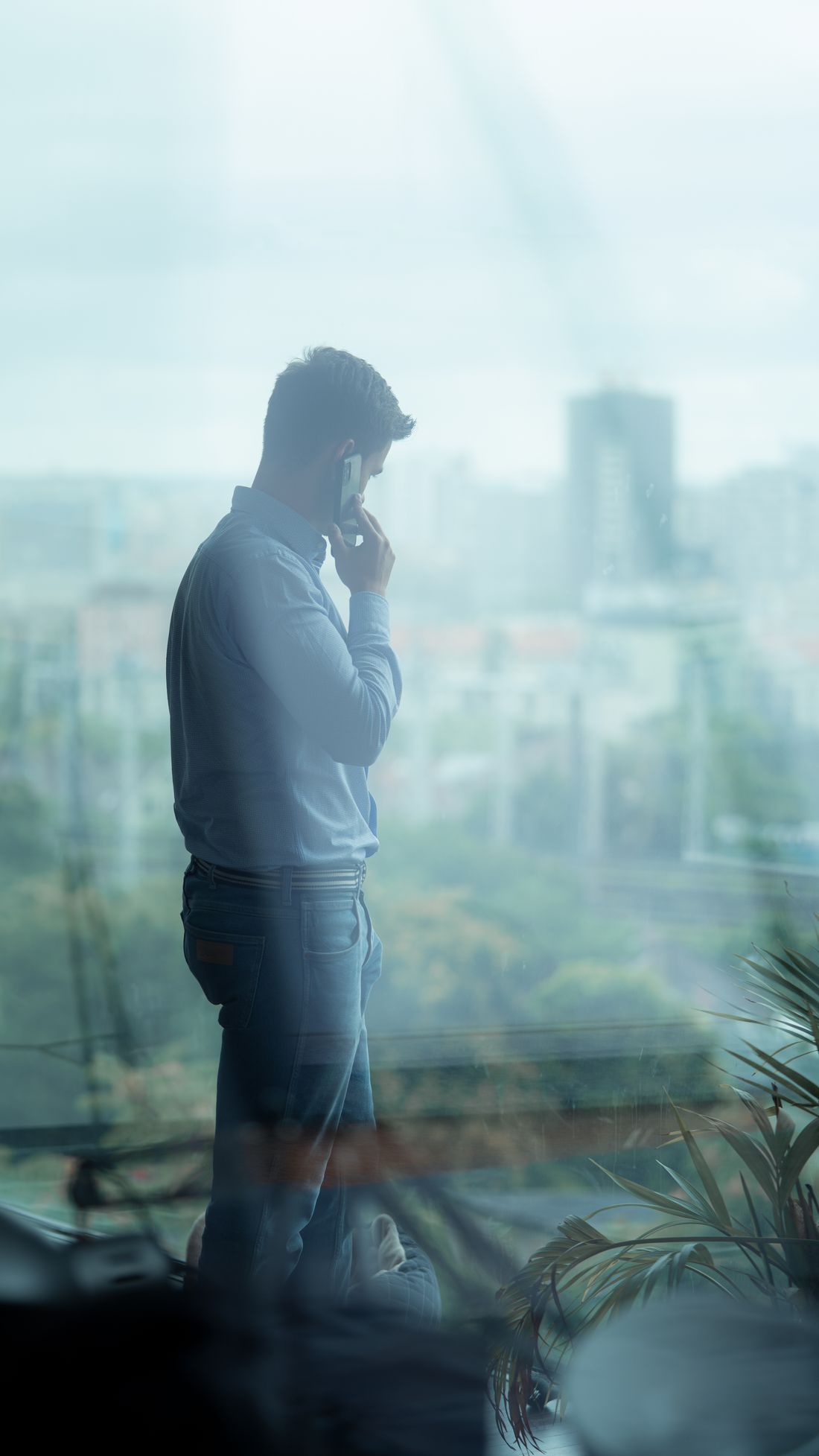
The environmental shot does different work. It signals credibility in a way a studio headshot can't, showing the actual setting behind the expertise being quoted. A researcher at a bench, a founder at a whiteboard, a consultant at their actual desk, these read as authentic in ways a generic portrait doesn't.
Beyond those two, most people don't need more. A handful of extra crops or a short video clip can come later if press interest keeps building, but the two-image minimum is what actually gets used in the first several requests.
Having It Ready to Send, Not Ready to Find
The kit only helps if it's genuinely fast to send, which means it needs to live somewhere findable before the next request arrives, not scattered across old email attachments or a phone camera roll from two years ago.
A single folder, cloud-hosted with a shareable link, is enough. No elaborate system, no formal press page necessarily, just one place where both images sit at a usable resolution, ready to attach to an email in under a minute when a reporter asks.
This matters more than it sounds like it should. A source who replies to a reporter's request with a working link in five minutes reads as more professional than one who says give me a day to find something, even if the actual expertise is identical.
Fast turnaround on the visual ask is a small thing that quietly signals reliability, the same way a quick, clear quote does. Reporters remember sources who make their job easier, and being ready to send a photo without delay is part of that.
Why This Isn't a Full Press Kit Yet
A full press kit, bio, multiple image options, logo usage, past coverage links, makes sense once someone has an established pattern of being quoted, not after a single mention. Building the full version too early wastes effort on assets that may never get used.
The trigger moment calls for the minimum viable version instead: two photos and a way to send them fast. That's enough to handle the next few requests without over-investing before there's a real pattern of ongoing media interest.
This is also where the distinction from an already-established source matters. Someone who's been quoted a dozen times across a year has different needs, a bio journalists can pull from directly, a more developed set of environmental shots, maybe a short video reel. That's a later-stage kit, not a first-quote one, and it usually gets built once the pattern is undeniable.
Scaling the visual assets alongside the actual pattern of coverage, rather than front-loading everything at once, keeps the investment proportional to what's actually happening, and avoids paying for a full production before there's real evidence it's needed.
What a Good Environmental Shot Actually Looks Like
The best environmental shots show a person doing something specific and recognizable, not just standing in a hallway near their desk. A quiet moment of real work, hands on a keyboard, mid-explanation at a whiteboard, examining something on a bench, reads as far more credible than a posed stand-and-smile.
Lighting matters more here than most people expect. A dim office corner or harsh overhead fluorescent light undercuts an otherwise good shot. A window, a lamp, or even just moving to a brighter part of the room changes the outcome significantly without adding any real cost or complexity.
Clutter is worth a second look too, not because a workspace needs to look staged, but because a chaotic background pulls attention away from the person a reporter is trying to represent. A five-minute tidy-up before the shot goes a long way.
None of this requires a full production. A short, focused session, ten or fifteen minutes in the actual workspace, usually produces more usable material than people expect going in.
Timing the Shoot Around the Trigger, Not a Calendar
The right time to get this done is close to the first quote, while the moment is still fresh and the motivation is obvious, not six months later when the urgency has faded and it's back on a someday list.
A short window, a week or two after the first mention, is usually enough to book something simple without it becoming a major production. Waiting for a slower month or a more convenient calendar gap tends to mean waiting indefinitely, since there's rarely a moment that feels more urgent than the one right after it happened.
This is also the point where it's worth thinking slightly ahead. If the topic being covered has any seasonal or news-cycle relevance, having the images ready before the next likely wave of interest means being prepared rather than catching up again a second time.
The goal isn't urgency for its own sake. It's simply recognizing that the trigger already happened, and the easiest time to act on it is now, while it's still the reason motivating the decision, before the memory of the call fades into routine.
Keeping the Kit Current as the Pattern Continues
A headshot and environmental shot from the first quote don't need to last forever. If press interest continues for a year or more, it's worth refreshing the images periodically so they still look like the person a reporter would actually meet in the room.
There's no fixed rule for how often, but a noticeable change, a new role, a different workspace, a visibly different appearance, is a reasonable trigger to update rather than waiting for the old photo to become an obvious mismatch with the person answering the phone.
Keeping the kit current also means periodically checking that the shareable link still works and the file sizes are still reasonable for quick attachment. A dead link found under deadline pressure defeats the entire point of having prepared in the first place.
Treating this as light, occasional maintenance rather than a one-time task keeps the original investment useful for as long as the pattern of being a quoted source continues, without ever turning into a real burden.
Frequently Asked Questions
I only got quoted once. Is it too early to invest in photos?
No, and that's exactly the point. The moment right after a first quote is the ideal time, because you're motivated, the pattern might repeat, and you don't yet know when the next reporter will call. Waiting until you've been quoted several times means being unprepared for exactly the requests this kit is meant to handle quickly and easily, right when a deadline is already ticking.
What's the difference between this and a traditional press kit?
A traditional press kit is built for someone with an established pattern of coverage, a bio, multiple image options, past clips, and usually gets assembled after that pattern is already visible. This is the minimum version for the trigger moment itself: two photos and a fast way to send them, built proactively rather than in reaction to an existing deadline someone else set for you.
Do I need a professional photographer for this, or can I use my phone?
A phone can work for a rough placeholder, but a short professional session produces noticeably better light, framing, and consistency, which matters since this image may represent you across multiple stories. Given how little time it takes, ten to fifteen minutes for a headshot and an environmental shot, a real session is worth the small investment for something reused repeatedly across future coverage.
How often should I update these photos once I have them?
There's no fixed schedule, but a real change, a new role, a different office, a noticeably different appearance, is a reasonable trigger to refresh. Beyond that, checking every year or so that the images and the shareable link both still work is enough to keep the kit useful without turning it into a recurring production or ongoing expense.
Where should I actually store these images so I can send them fast?
A single cloud-hosted folder with a shareable link is enough for most people. No formal press page is required at this stage. The goal is being able to attach or share both images within a minute or two of a reporter's request, not building an elaborate system before there's a real pattern of coverage to justify it, which can always come later.
Related Reading
Planning founder content or a launch and unsure what to actually shoot?
Tell us where the images or video will run, site, LinkedIn, press, or a launch page, and we'll scope it with a fixed price before you book anything.
See Personal Branding & Launches