
Photo by cottonbro studio via Pexels.
A quote that mentions "one round of edits" or "two rounds of revisions" reads like a rationing rule — as if the studio is capping how much work you're allowed to ask for. That's the wrong way to read it. A round is a schedule checkpoint, not an effort ceiling. What actually determines whether a project stays smooth or turns into a slog isn't the number printed on the quote — it's who's sending feedback, how many people that feedback passes through, and whether it arrives once or in waves.
An editing round is a scheduling checkpoint, not a limit on effort: feedback gets collected once, applied once, and the project moves forward on a set date. The real variable is who gives that feedback — one round with three people who agreed beforehand is simple; three rounds with a new stakeholder each time is a different project.
Table of Contents
- What an Editing Round Is Actually Protecting
- What a Photo Round Actually Covers: Selects, Then Retouch
- What a Video Round Actually Covers: A Cut, Then a Polish Pass
- The Real Variable Isn't the Round Count — It's Who's Talking
- One Consolidated Round vs. Three Rounds With a Moving Target
- How to Consolidate Feedback Into One Clean Round
- What Turns a Covered Round Into a Billable One
- What to Ask Before Signing a Quote With Editing Rounds
What an Editing Round Is Actually Protecting
An editing round exists to protect the delivery schedule, not to ration how much effort goes into a project. Each round is a fixed checkpoint — feedback gets collected, applied once, and the project moves forward — so a quote can promise a real delivery date instead of an open-ended one.
Without that structure, a project has no natural stopping point. Feedback can arrive at any time, from anyone, about anything, and the editor is left guessing whether the last note was really the last note. A round turns that guesswork into a plan: gather every comment, apply the batch, deliver the result, confirm it's done. That's why the number attached to a round matters less than what the round actually contains. A single round built around clear, consolidated feedback can cover more ground than three rounds built around scattered, one-line notes sent over separate weeks. The round is a container for the work, not a measure of it — which is also why the same quote language can describe a smooth project or a painful one, depending entirely on what gets poured into that container.
What a Photo Round Actually Covers: Selects, Then Retouch
For photography, one round usually means two connected steps: choosing the final images from the full take, then adjusting those chosen images. A photo round isn't asking to reshoot or re-choose — it's asking to refine what's already been selected, once, as a set.
These two steps behave differently. Selects are a decision problem: which frames actually represent the day, the portrait, the room. That decision benefits from happening once, with input gathered up front, because reopening the select list after retouching has started means redoing finished work. Retouching is a craft problem layered on top of an already-settled selection — color, exposure, minor cleanup, consistency across the set. A photo round that stays inside that structure moves fast, because the hard decision (which photos matter) isn't being revisited while the easier one (how they look) is underway. A photo round that keeps reopening the select list after retouching has started isn't really one round anymore — it's the select phase repeating itself with retouched images attached, which is a slower and more expensive shape of the same job.
What a Video Round Actually Covers: A Cut, Then a Polish Pass
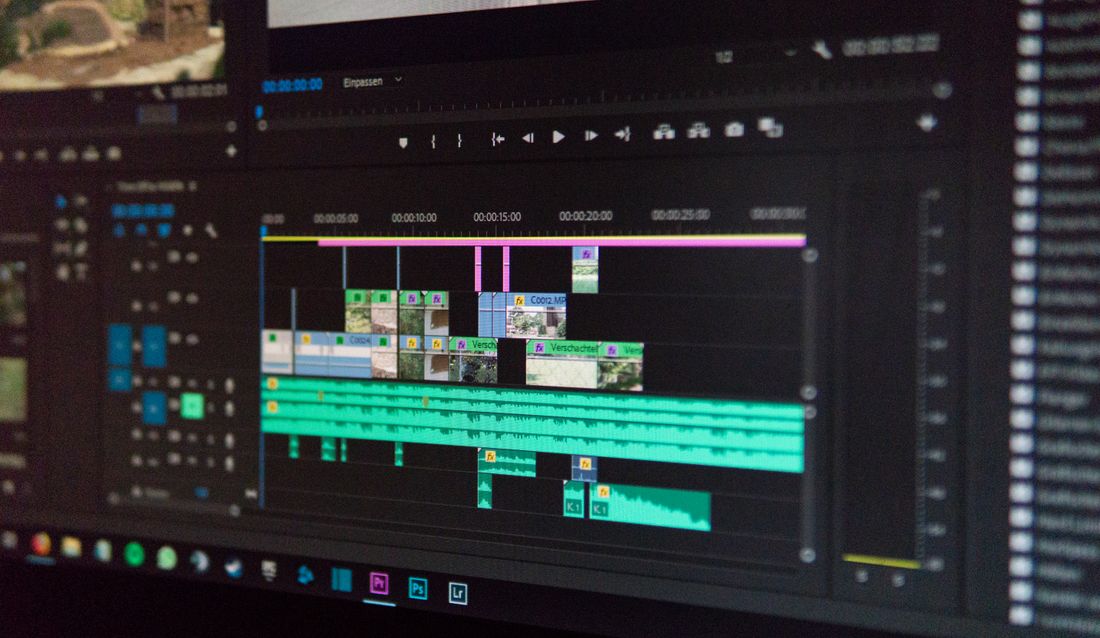
Video works in a different unit. One round typically means a full cut gets built first — structure, pacing, which moments make it in — and only then does a polish pass adjust color, audio, graphics, and small trims. A video round isn't the same size as a photo round, and comparing them one-to-one is a common source of confusion.
A rough cut is closer to an architectural decision than a cosmetic one: it sets the order of the story, what's included, what's cut for time. Reopening that after the polish pass has started — pulling in a moment that got cut, restructuring the middle — costs far more than a photo retouch adjustment does, because color and audio work often has to be redone once the underlying cut changes again. That's why a video quote's round structure tends to separate "structural feedback" (on the cut) from "finishing feedback" (on the polish) rather than treating every note the same way. Feedback on the cut is cheap early and expensive late; the opposite is roughly true for finishing notes, which barely affect structure at all.
The Real Variable Isn't the Round Count — It's Who's Talking
Two quotes can list the identical number of rounds and still describe completely different projects. The number that actually predicts how smooth a project runs is how many distinct people are giving feedback and whether their input arrives together or in separate waves — not the round count printed on the page.
A single point of contact who has already gathered opinions from the rest of the team before sending notes can often finish in one round, even a detailed one, because every comment lands at once and none of it contradicts another comment that shows up later. A project with three or four people each emailing separate notes on their own schedule turns that same "one round" into an open-ended back-and-forth, even though nobody technically asked for extra rounds — the round just never closes, because new input keeps arriving from a new direction. The quote's printed number was never the constraint in that scenario. The absence of one settled voice was.
One Consolidated Round vs. Three Rounds With a Moving Target
A single round with three consolidated voices is a cheap, fast project. Three rounds where a new stakeholder joins each time — a manager who wasn't in the first review, an executive who sees it right before publish — is effectively a different project, even if the quote's language never changed.
The difference isn't really about round count at all; it's about whether each round closes a decision or reopens one that already felt settled. A consolidated round closes: everyone who has a say has already spoken, the notes get applied, and there's no reason to expect another wave. A moving-target round reopens, because the newest voice in the room hasn't seen the earlier decisions and often disagrees with something that was already resolved — sometimes a choice a previous stakeholder specifically asked for. That's not a failure of the editor or the process; it's a structural cost of adding reviewers late. Naming who needs to weigh in before the first round starts is the single change that turns a moving-target project back into a consolidated one.
How to Consolidate Feedback Into One Clean Round
Consolidating feedback means gathering every reviewer's notes into a single document before anything gets sent to the editor — not funneling separate emails from separate people as they each get around to watching or looking at the work. One organized round beats three disorganized ones almost every time.
In practice, that means naming one person as the single point of contact for notes, even if several people are actually reviewing the work behind the scenes. That person's job is to collect opinions, resolve any internal disagreement before it reaches the editor, and send one clear set of instructions rather than passing along three conflicting ones and letting the editor guess which take priority. It also means setting a real deadline for that first round of notes, so the process isn't waiting on the slowest reviewer indefinitely. None of this requires more meetings or more process — it just requires deciding, before the project starts, who actually has the authority to sign off, and making sure that person is the one talking to the editor.
What Turns a Covered Round Into a Billable One
A round stops being the one already covered in the quote when it reopens a decision that was already made, rather than refining a decision that's still open. New feedback on an unreviewed cut or an unretouched select is normal; new feedback that contradicts a note from two weeks ago is a different kind of request.
The clearest trigger is a stakeholder joining the process for the first time after a round has already closed — they weren't part of the original conversation, so their notes often ask to undo something the team previously agreed on. A second trigger is feedback that swaps the actual goal rather than adjusting the execution of it: asking for a livelier cut after approving a formal one, for example, isn't a small note, it's a new brief. Neither situation means someone did something wrong. It just means the work being requested is genuinely additional, and a fair quote treats it that way instead of quietly absorbing it into a round that was scoped for something smaller.
What to Ask Before Signing a Quote With Editing Rounds
Before signing, it's worth asking three plain questions: what exactly counts as one round for this deliverable, what happens if feedback arrives in more than one wave, and what happens if someone new joins the review after the first round closes. The answers matter more than the number of rounds listed.
Asking what counts as a round forces a concrete answer instead of an assumed one — a photo round and a video round aren't the same unit, and a quote should say which kind it means for each deliverable. Asking about multiple feedback waves surfaces whether the studio treats a slow, staggered response as one round or several, before that becomes a real disagreement mid-project. Asking about a late-joining stakeholder is really asking who needs to be in the room from day one — the honest answer is usually to name that person before the project starts, not after the first round has already closed and their notes contradict what everyone else agreed to.
Frequently Asked Questions
How many editing rounds does a typical photo or video quote include?
It varies by studio and by deliverable, and the number itself matters less than what counts as one round. A photo round usually covers selects plus retouching on the chosen set; a video round usually covers a full cut plus a polish pass. Ask what's included in a round for your specific deliverable rather than assuming a number from a different project or a different vendor applies here.
Is one editing round the same thing for photo and for video?
No. A photo round is choosing final images and then adjusting them — a relatively contained task. A video round is building a full cut and then polishing it — a larger unit of work, since restructuring a cut after polishing has started costs more than a comparable photo change. Comparing round counts between a photo quote and a video quote without accounting for that difference leads to unfair expectations on both sides.
What happens if we need more rounds than the quote includes?
Most studios will do additional rounds for additional cost, since a round beyond what was quoted is genuinely more work, not a failure to plan. What matters is transparency: a fair quote states this up front rather than surprising the client mid-project. Asking before signing what an extra round costs and how it's triggered avoids a tense conversation later, when everyone's already invested in the deliverable.
Does adding a new reviewer partway through count as an extra round?
Often functionally, yes, even if no one calls it that. A stakeholder who joins after a round has closed hasn't seen the decisions already made, so their notes frequently ask to undo something the rest of the team agreed on. That's not automatically a problem, but it is genuinely additional work — naming every required reviewer before the first round starts is what actually prevents this from happening.
Who should actually be giving feedback during a review round?
One named point of contact, even when several people are reviewing behind the scenes. That person collects everyone's notes, resolves any disagreement internally, and sends a single clear set of instructions to the editor rather than passing along raw opinions. Skipping this step and letting multiple people send separate, sometimes conflicting notes directly is the single most common reason a "one round" project quietly turns into three, with nobody having asked for that outcome.
Related Reading
Have a launch or brand project where scale is actually the story?
Tell us what the aerial shot needs to show, and we'll scope it alongside the ground coverage from the start, permits included.
See Personal Branding & Launches