Photo by Pavel Danilyuk via Pexels.
A general gala shot list assumes every important moment can be recovered from a slightly different angle a minute later. A naming ceremony has exactly one moment that can't: the instant the drape or curtain comes off and the honoree sees their name on the wall for the first time. Plan for a gala and shoot a naming ceremony, and that's the shot you're most likely to miss.
A donor wall unveiling needs its own shot list because the reveal itself can't be redone. The five shots that matter are the wall or plaque legible and glare-free, the honoree's unscripted face at the moment of the reveal, the honoree with family right after, a wide shot proving the room was full, and a clean detail shot the institution can reuse for years.
Table of Contents
The Reveal Is a Single Take, Not a Retake
A donor wall unveiling has one moment that can't be reshot: the instant the drape comes off and the honoree sees their name for the first time. Every other frame at the event forgives a missed beat. That single frame doesn't, which is why a naming ceremony needs its own shot list instead of borrowing a general gala's.
Most gala moments are recoverable. A speech can be caught a beat late from a slightly different angle, and a candid conversation at the bar can be reshot two minutes later without anyone noticing the gap. A donor wall unveiling doesn't work that way. The honoree pulls the drape, the room reacts, and the real expression on that person's face — before it settles into a practiced smile — lasts a couple of seconds. If the photographer is adjusting a light stand or facing the stage instead of the wall, there's no second attempt.
That single-take pressure is why we plan a naming ceremony's coverage differently from a general gala's. The run of show only needs to answer one question before anything else gets scheduled: when does the drape come off, and who pulls it.
Scouting the Room Before It Fills
The wall has to be scouted empty, before guests, catering, and floral arrangements change the light in the room. Overhead cans that looked fine on a walkthrough can throw a hard reflection across engraved lettering once the room is full and the house lights come down for the program.
We walk the wall at the actual time of day the ceremony happens, not a convenient hour earlier, since afternoon light through a lobby window behaves nothing like the same room at seven in the evening. That walkthrough answers three things: where the glare sits and moves as the light changes, where a shooting position gets both the wall and the honoree's face in one frame without a pillar or sign-in table in the way, and where the drape mechanism actually is, since it's rarely centered exactly where the program says it will be.
None of this is unusual event prep — it's the same logic behind any pre-shoot walkthrough. What's different is the stakes attached to getting it wrong. A photographer who picks a mediocre position for a toast can move for the next one. A photographer who picks a mediocre position for the reveal doesn't get a next one.
Photographing the Wall or Plaque Itself
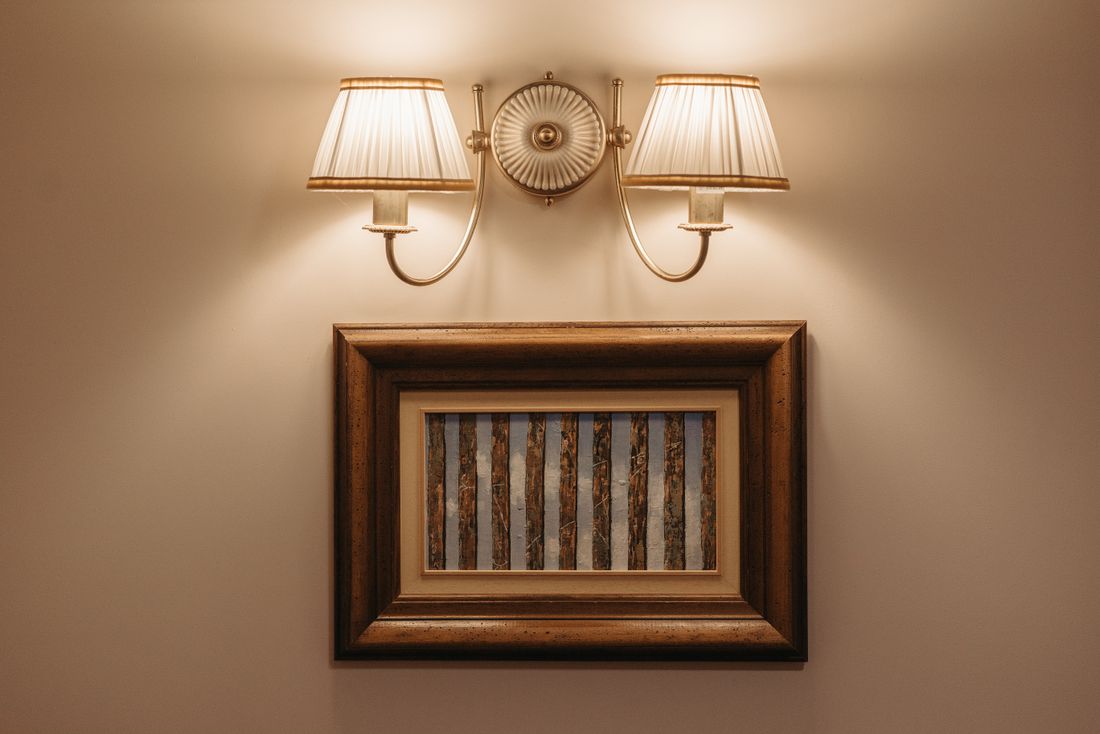
The wall or plaque needs its own clean, straight-on frame, shot separately from the ceremony itself and free of glare, shadows, or a stray guest's shoulder cutting into the lettering. This is the shot an institution will actually reuse — for a website, an annual report, a grant application — far more often than any candid from the event.
Engraved metal and cut lettering both catch light in ways that are easy to miss through a viewfinder in a crowded room, so we shoot the wall at a couple of angles and check the lettering is legible on the camera's screen before the room fills, not after. A slight off-axis position often reads cleaner than dead center, since it moves a specular highlight off the raised letters instead of straight into the lens.
This shot also earns its place because it doesn't depend on the ceremony going smoothly. A speaker running long, a mic that cuts out, a drape that sticks — none of that touches a plaque shot taken twenty minutes before doors open. It's the one frame on the list that's entirely within the photographer's control, which is exactly why it shouldn't be skipped in favor of chasing the moment.
The Honoree's Face at the Moment of the Reveal
The honoree's unscripted expression in the instant the name becomes visible is the single hardest shot on the list and the one a naming ceremony exists to produce. It happens once, lasts a couple of seconds, and can't be prompted or repeated — everything else in the coverage plan gets built around protecting this one frame.
That means the photographer's position is decided before the room fills, not adjusted in the moment. Facing the honoree rather than the wall is usually the right call, because the wall itself gets its own clean shot separately — the reveal shot needs the face, not the lettering. A slightly wider frame also buys insurance: it catches the honoree's reaction and whoever's standing closest, without needing to reframe half a second after the drape drops.
We treat this the way we'd treat any moment that can only happen once — a vow, a ribbon actually cutting, a name actually going up. No checking a monitor, no adjusting exposure mid-reveal, no assuming there's a beat to spare. The technical settings get locked in advance specifically so nothing needs adjusting in the two seconds that matter most.
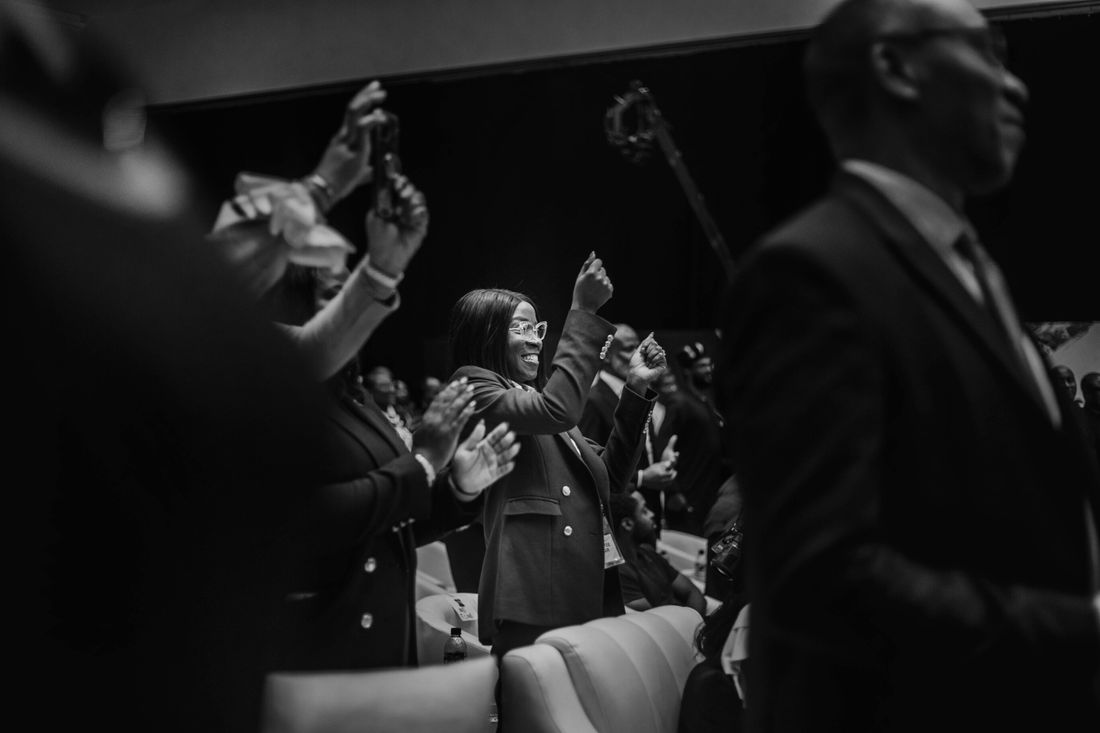
Photo by Wavy. revolution via Pexels.
The Honoree With Family
The honoree with family, right after the reveal and before the room pulls them back into the reception, is a shot institutions ask for almost every time and one that's easy to lose in the shuffle if nobody's assigned to protect those thirty seconds. It's the frame that ends up framed in someone's home, not just filed in a report.
The window for it is short and it opens the moment applause starts to fade, before staff, board members, and well-wishers close in around the honoree. We treat that gap as its own mini shot list — two or three frames, honoree with immediate family first, then a slightly wider group if there's time — rather than one grab shot taken wherever people happen to be standing.
This only works if it was planned before the ceremony, because asking a family to regroup for a photo after they've already scattered into the crowd reads as staged in a way the original moment never would. Knowing who counts as “family” for this shot — and confirming it with the honoree's contact, not guessing from who's standing closest — is part of the same pre-event conversation as the run of show.
The Wide Room Shot That Proves Attendance
A wide shot of the full room during the unveiling proves the ceremony mattered to more people than just the honoree and the institution's staff — evidence a board deck or a stewardship report can use in a way a tight portrait can't. It's the shot that answers “who actually showed up,” and it has to be taken from a fixed, higher position decided in advance.
This shot competes directly with the honoree's-face shot for the same two seconds, which is exactly why a naming ceremony often needs two people covering it rather than one photographer trying to catch both. One position holds on the honoree; a second, usually from a balcony, back riser, or the room's highest available sightline, holds wide on the crowd. Trying to do both from one spot means compromising on both.
The wide shot also needs the room actually full in frame — not a corner with three empty tables visible, which reads as thin attendance even at a well-attended event. That's a framing decision made on the walkthrough, checking which angle shows the fullest section of the room without catching the catering staff's staging area or an unlit exit sign in the corner.
The Detail Shot Institutions Reuse for Years
Beyond the clean wall shot, a naming ceremony benefits from one more controlled detail frame — a close crop on the engraved name itself, or the honoree's hand against the wall — built specifically for reuse in places a candid photo doesn't work: a press release, a donor newsletter, a slide in next year's gala deck. This is the shot with the longest shelf life of anything taken that night.
It has to be shot clean enough to crop hard without losing quality, lit evenly enough to reproduce well in print and on screen, and composed with enough surrounding space that a designer can drop text over it later without covering the name. None of that happens by accident in the middle of a live ceremony — it's a planned setup, usually taken in the same quiet window as the standalone wall shot, before or after the room is present.
We treat this frame as separate deliverable, not a byproduct of the event coverage, because an institution that reaches for it three years from now won't remember or care which shot came from the ceremony itself. They just need a usable file.
Donor Privacy and Who Gets Named
Not every donor at a naming ceremony wants their name or face used publicly, and the photographer needs that list before the room fills, not sorted out after a photo's already been posted. Some gifts are named publicly by design; others are named on the wall itself but the donor still declines public photography, which is a real and common split, not a contradiction.
In practice, this means asking the event contact directly which honorees, family members, and board figures are cleared for public use — social media, the annual report, the website — and which are cleared for the institution's internal file only. We build that distinction into the shot list itself, not into a note reviewed after the fact, since the moment to avoid a problem is before the shutter clicks, not during editing.
This is documented practice, not legal advice — every institution has its own donor agreements and its own comfort level, and none of that is something a photographer should be interpreting on the fly. The job is to ask the right question early enough that the answer can actually shape where the camera points.
Frequently Asked Questions
What's the single most important shot at a donor wall unveiling?
The honoree's unscripted expression in the instant the name becomes visible. It happens once, lasts a couple of seconds, and can't be prompted or reshot the way a toast or a candid conversation can. Everything else on the shot list — the wall itself, the family photo, the wide room shot — gets planned around protecting that one frame, because it's the moment the ceremony actually exists to produce.
How do you photograph an engraved plaque or donor wall without glare?
Scout the wall empty, at the actual time of day the ceremony happens, since light shifts hours later than a convenient earlier walkthrough. Engraved and cut lettering both catch specular highlights straight-on, so a slightly off-axis position often reads cleaner than dead center. We shoot it as its own controlled frame before the room fills, checking legibility on the camera screen rather than trusting it'll look right later.
Does a naming ceremony need a second photographer or videographer?
Often, yes. The honoree's face and a wide shot proving the room was full compete for the same two seconds during the reveal, and one person can't hold both positions at once. A second shooter — usually up on a balcony or back riser — covers the room while the first stays locked on the honoree, instead of one camera trying to compromise between both shots.
What do institutions actually reuse donor wall photos for later?
Mostly a clean, straight-on shot of the wall or plaque and a tightly cropped detail frame of the engraved name — not candid moments from the ceremony itself. Those get pulled into annual reports, stewardship mailings, grant applications, and the institution's website for years after the event, which is why we shoot them as controlled, reusable frames rather than as a byproduct of the live coverage.
How does donor privacy affect the shot list at a naming ceremony?
Some donors on the wall are cleared for public photography and some aren't, and that split is common, not unusual. We ask the event contact before the room fills which honorees and family members are cleared for public use versus internal files only, and build that into the shot list itself. This is documented practice, not legal guidance — every institution sets its own rules.
Related Reading
Not sure if hourly or a package makes more sense for your event?
Tell us the expected length, and we'll run the actual numbers before you book.
See Event Coverage Packages