
Photo by Andrea Piacquadio via Pexels.
Compare two quotes side by side and it looks like a mistake: a two-hour testimonial interview priced close to an eight-hour event day. It isn't a mistake. The clock is measuring the wrong thing.
A short testimonial interview can price at or above an event day's hourly rate because the clock only measures shoot time, not the setup, lighting, and retake structure a controlled interview requires. Event coverage spreads similar production work across far more hours, which lowers its effective hourly rate even when the total invoice is larger.
Table of Contents
- Why a Short Interview Can Cost More Per Hour Than a Long Event
- Setup Time Doesn't Shrink Just Because the Shoot Is Short
- A Sit-Down Interview Asks More of Lighting and Sound Than a Room Full of People
- Getting a Usable Answer Takes Longer Than Getting a Usable Moment
- The Crew-to-Hour Ratio Runs Backwards From What People Expect
- The Edit Ratio on a Testimonial Is Far Tighter Than an Event Recap
- Hours Are the Wrong Unit for Comparing These Two Formats
- Scope the Format First, Then Ask for a Number
Why a Short Interview Can Cost More Per Hour Than a Long Event
A two-hour testimonial interview often prices at or above the hourly rate of an eight-hour event day, because the clock only measures shoot time, not the setup, lighting, and retake structure a controlled interview requires. Event coverage spreads a similar amount of production work across many more hours, which lowers the effective hourly rate.
Event day pricing and interview pricing both start from the same inputs: crew time, gear, and editing. A testimonial concentrates nearly all of that work into a much smaller window. An event photographer walks in, works with whatever light the room already has, and shoots continuously for most of the booked hours. A testimonial interview spends a large share of its two hours on setup before a single usable frame gets recorded: positioning a subject, matching light to a face instead of a room, and running a real conversation instead of a single continuous take. The finished minutes look simple. The hourly rate reflects everything that had to happen before the camera started rolling, not just what ended up on screen.
Setup Time Doesn't Shrink Just Because the Shoot Is Short
Setting up for a testimonial interview takes close to the same amount of time whether the finished shoot runs one hour or three, because the work is fixed per subject, not per minute of footage. A shorter booking doesn't shrink the lighting, staging, and audio setup that has to happen before someone sits down.
Positioning a key light and fill light so a face reads correctly, choosing and dressing a background that doesn't compete with the subject, checking audio levels in a room that wasn't built for recording, and getting the subject settled into a chair all happen before the interview itself starts. None of that scales down for a shorter booking. A one-hour testimonial slot and a three-hour one both need the same setup pass; the extra two hours in the longer slot just buy more time to actually talk and gather usable answers. That's why a compressed testimonial slot often carries the highest effective hourly rate of any format on the schedule: the fixed cost of setup gets divided across the fewest possible minutes of interview time.
A Sit-Down Interview Asks More of Lighting and Sound Than a Room Full of People
A testimonial interview holds one person under close, sustained attention for minutes at a time, which demands controlled lighting and clean audio in a way a moving, wide event shot rarely does. An event photographer can lean on the room's own light and adjust exposure on the fly; a fixed interview setup can't.
At an event, uneven light in a corner or ambient noise from a nearby conversation rarely ruins a shot; the photographer just moves, reframes, or waits for a better angle. A testimonial interview keeps the same person in the same seat for the whole segment, so the lighting has to be right from the first minute and stay consistent for however long the conversation runs. Audio matters even more. A viewer will forgive a slightly busy background in a photo, but a hum, an echo, or an air conditioner cycling on mid-sentence in an interview reads as unfinished. That level of control needs real equipment, a controlled room, and real setup time, and all three of those show up in the rate long before the interview itself begins.
Getting a Usable Answer Takes Longer Than Getting a Usable Moment
An event photographer captures a real moment once and moves on, but a testimonial interview often needs the same question asked two or three different ways before someone gives a complete, natural-sounding answer that works without the question attached. That repetition adds real time without adding runtime to the finished piece.
A candid shot at an event either happens or it doesn't, and a photographer's job is mostly about being in the right place when it does. An interview works differently. Someone might answer a question in a fragment, glance away mid-thought, or give an answer that only makes sense next to a question the final edit will remove entirely. Getting a clean, self-contained answer usually means asking again, differently, sometimes more than once. None of that shows up in the finished ninety-second testimonial, but all of it happens inside the booked hours, and it's a large part of why a short interview slot can feel expensive next to a full day of continuous event coverage, where a missed moment simply gets replaced by the next one instead of asked for again.
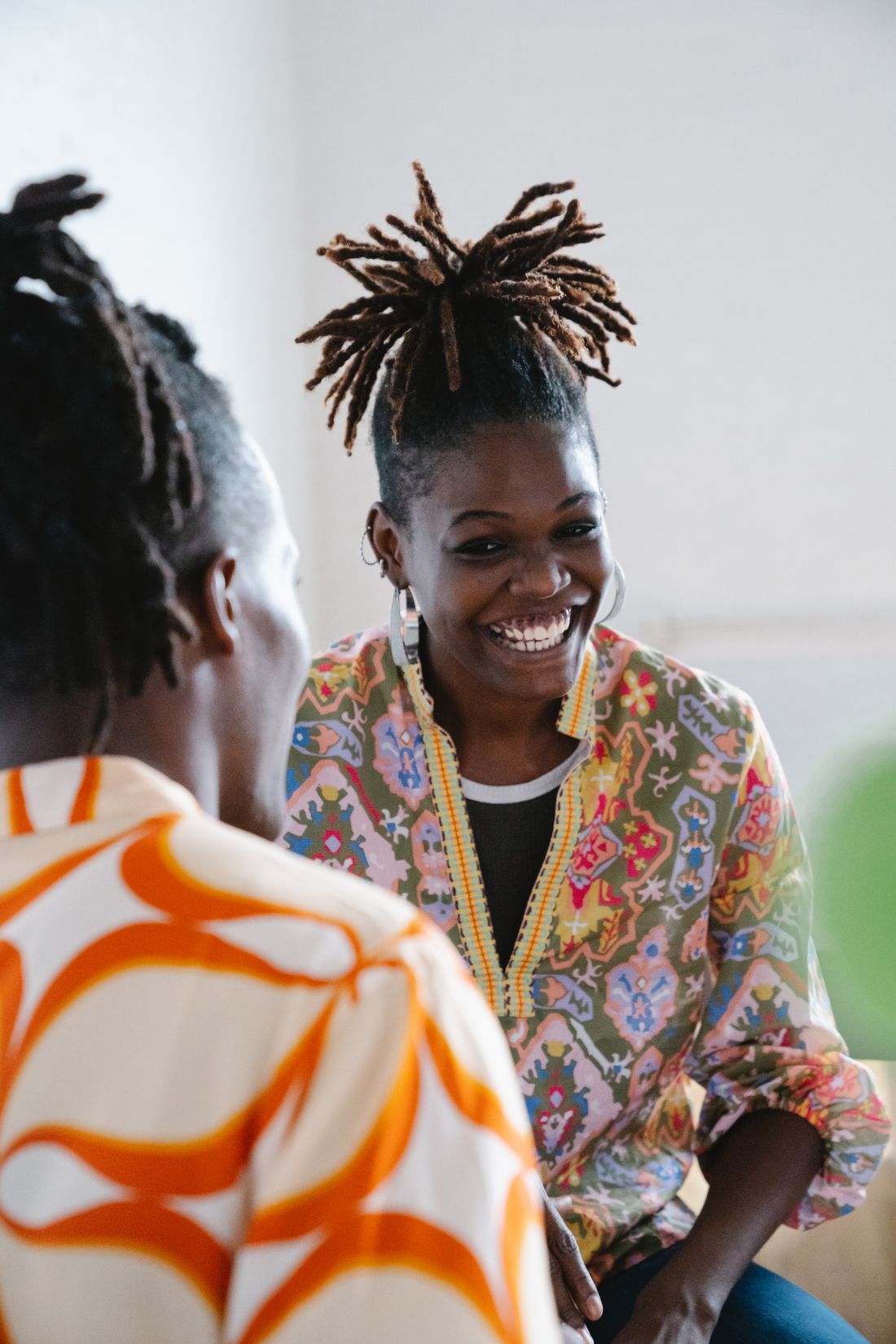
Photo by Greta Hoffman via Pexels.
The Crew-to-Hour Ratio Runs Backwards From What People Expect
An event day typically spreads one or two crew members across many hours of continuous coverage, while a testimonial interview often needs a similar crew size concentrated into a much shorter block, which raises the cost per hour even though the total crew cost is smaller. Fewer hours doesn't mean a lighter crew.
A corporate event can run on one photographer moving through a room for most of a day. A testimonial interview usually still needs someone managing lighting, someone running camera and framing, and someone keeping the conversation moving, even if that's only ninety minutes on the clock. The total invoice for the interview might be smaller than the full event day, but the hourly rate isn't, because the same crew size gets divided across far fewer hours. People comparing two quotes side by side often look at the bottom-line number and miss that the per-hour math is telling a completely different story about how the day was actually staffed, with more people doing more specialized jobs inside a much smaller window.
The Edit Ratio on a Testimonial Is Far Tighter Than an Event Recap
A testimonial interview typically records ten to twenty minutes of raw conversation to produce a finished piece that runs ninety seconds to two minutes, a much denser edit ratio than an event day, where hours of coverage get trimmed down to a recap or a gallery of selects. Density in the edit adds labor that doesn't show up in shoot-day hours.
Cutting a testimonial down to its strongest minute means listening to every answer, finding the sentences that stand fully on their own, and stitching them together with b-roll so the cuts don't jump across the subject's face and posture. An event recap works from more raw material but with a looser standard; the goal is pace and coverage, not building one continuous, convincing statement out of scattered sentences. Both jobs take real editing time, but the testimonial's tighter ratio means more decisions per finished second, and that density is part of what the interview rate is actually paying for, even though it happens well after the camera stops rolling and never shows up as a line item on the shoot-day schedule.
Hours Are the Wrong Unit for Comparing These Two Formats
Comparing a testimonial interview and an event day by hourly rate alone misses the point, because the price is really a function of setup load, crew concentration, and edit density, not the length of the booking. A longer, simpler event day spreads a similar amount of production work across more hours, which is why it can look cheaper per hour without being cheaper to produce.
Two quotes that land close to the same total number can represent very different amounts of underlying work. An event day with one photographer and light editing afterward is a different production than a testimonial with a lighting setup, a pre-interview conversation, multiple takes, and a dense edit pass. Judging either one by dividing the invoice by the hours booked treats every hour as equal, when in practice the hours themselves aren't doing the same kind of work. The more useful question isn't what the hourly rate comes out to. It's what the format actually requires to do it right, and that question points straight to setup, crew, and edit load every time.
Scope the Format First, Then Ask for a Number
Before comparing prices, decide whether a project genuinely needs a controlled, testimonial-style interview or whether lighter, run-and-gun event coverage will do the job, since the two formats aren't interchangeable and pricing them as if they were leads to a confusing comparison. The format decision should come before the budget conversation, not after.
A testimonial interview earns its cost when the finished piece needs to carry real weight: a homepage video, a fundraising deck, a piece that has to hold a viewer's attention on its own with no other context. Lighter event coverage makes more sense when the goal is documentation and volume, a gallery of images, a recap video, content that supports a bigger story rather than making the whole case by itself. Once the format matches the goal, a quote stops looking confusing, because it's pricing the actual work involved instead of getting measured against an unrelated day rate. That's the conversation worth having before asking anyone for a number, and it usually takes less time than reading the quote itself.
Frequently Asked Questions
Why does a two-hour testimonial interview sometimes cost more per hour than a full event day?
A testimonial interview concentrates lighting setup, sound treatment, multiple takes, and a dense edit pass into a short booking window, so those fixed costs get divided across far fewer hours than an event day spreads similar work across. An event photographer works with more of the room's own light and shoots continuously, which lowers the effective hourly rate, even though total production effort across both formats can end up fairly close.
What actually happens during testimonial interview setup time?
Setup includes positioning key and fill lighting to match a person's face rather than a whole room, choosing and dressing a background, checking and adjusting audio in a space that wasn't built for recording, and getting the subject settled and comfortable before recording starts. This work is fixed per subject, not per minute of footage, so it takes close to the same amount of time whether the finished interview runs thirty minutes or ninety.
Can I save money by adding a testimonial interview onto an event day I'm already booking?
Sometimes, if there's real downtime in the event schedule and a quiet space to set up lighting and sound separately from the main coverage. It still needs its own setup, its own crew attention, and its own editing pass, so it adds real cost rather than riding along for free. Ask about combining the two before assuming a shared booking automatically means a shared, lower rate.
Does a shorter finished video mean the shoot itself was cheaper to produce?
Not necessarily. A ninety-second testimonial can require as much lighting, crew time, and editing decision-making as a much longer piece, because getting a tight, self-contained final cut usually means recording far more raw conversation than what ends up in the final edit. Runtime measures the finished product, not the setup, retakes, and dense editing work that produced it, and that work is where most of the cost actually sits.
How do I know if a project needs a testimonial-style interview instead of lighter event coverage?
A testimonial interview makes sense when the finished piece needs to carry real weight on its own, like a homepage video or a fundraising piece with no other context around it. Lighter event coverage fits better when the goal is documentation, volume, or supporting a bigger story rather than making the entire case in one clip. Deciding the format first makes the resulting quote much easier to understand.
Related Reading
Trying to put a real budget on photo or video coverage?
Tell us the date, the run time, and what you need delivered, and we'll send back a quote with the line items spelled out.
Get a Quote