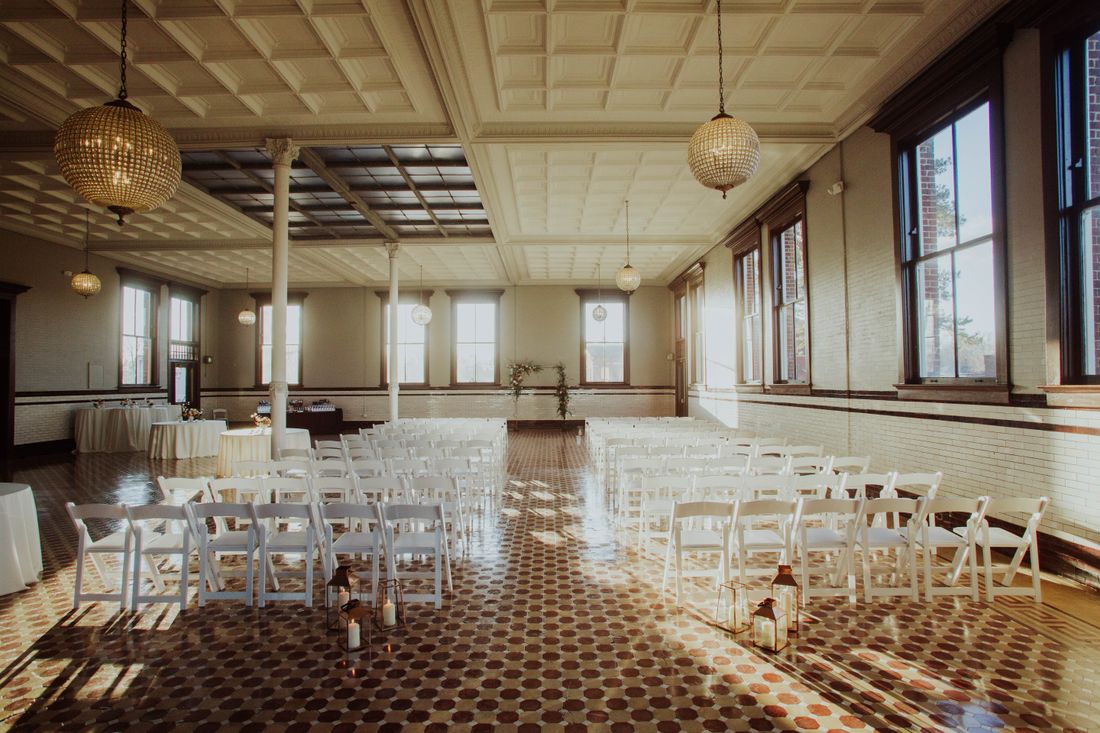
Photo by Steven Van Elk via Pexels.
Sometimes a client doesn't just want the finished photos handled a certain way — they want to know we won't be shooting for whoever they consider a rival. That's a fair thing to ask for, and it's a different ask than the one about who owns the delivered files. This one is about our own calendar, and it changes what the project should cost.
A vendor-exclusivity request — a client asking their photographer not to shoot a competitor — is a scheduling and access term, not a usage-rights term. It should be scoped to named competitors and a defined time window, priced as its own line item, and written into the agreement rather than assumed from a verbal ask.
Table of Contents
- What a Vendor-Exclusivity Request Actually Means
- Why This Request Shows Up in the First Place
- Why This Is Not the Same Conversation as Usage Rights
- How an Exclusivity Ask Changes the Schedule
- How Exclusivity Changes the Price
- Scoping the Window Instead of Asking for Forever
- Why This Belongs in the Agreement, Not a Verbal Ask
- When Exclusivity Is Worth Asking For, and When It Is Not
What a Vendor-Exclusivity Request Actually Means
A client asking a photographer not to shoot a competitor is a scheduling and access question, not a copyright one. It asks who else the photographer works with and when, not who owns the finished images afterward. That distinction changes how the request should be priced and where it belongs in an agreement.
The two ideas get confused because both conversations use the word “exclusive,” and they sometimes come up back to back. Exclusive usage rights govern who can publish or reuse the finished photos and video once the shoot is done. A vendor-exclusivity request governs the photographer’s calendar and client list before and around the shoot — whether the same photographer, during a defined window, can also work for a brand the client considers a direct competitor. One is a licensing term written into the delivery. The other is closer to a non-compete, scoped to a single vendor relationship instead of an employee, and it needs its own line in the quote rather than a verbal assumption folded into the rest of the booking conversation.
Why This Request Shows Up in the First Place
The request usually comes from a client who has watched a photographer’s work travel further than expected — a style, a lighting setup, or a shot list that ends up looking familiar on a rival’s feed. It is a reasonable instinct: if a look is working, a business does not want to fund the same look for whoever it is competing against next month.
In practice this comes up most in launches, product reveals, and fast-moving categories where two companies are racing to announce something similar — real estate developments a block apart, competing pop-ups in the same season, or two firms hiring around the same event calendar. It also shows up around personal brand work, where an executive does not want their photographer also shaping how a direct rival looks on camera. None of that requires bad faith on anyone’s part. It is a business asking to be the only client a specific vendor represents in a specific space, for a specific stretch of time — which is a normal thing to want and a normal thing to have to pay for.
Why This Is Not the Same Conversation as Usage Rights
Usage rights and vendor exclusivity solve two different problems, and treating them as one conversation is what causes the request to get lost. Usage rights decide what happens to the delivered files. Vendor exclusivity decides what the photographer is allowed to do with their own time on other jobs.
A client can buy the widest usage rights available — full ownership, no restrictions on where the images run — and that still says nothing about whether the same photographer can shoot a competitor’s launch the following week. Conversely, a client could ask for a narrow, standard license on the files and still want a hard guarantee that the photographer is off the market for a rival during that period. Because the two asks live in different parts of an agreement, a request for one does not carry the other automatically. If a client wants both, both need to be named, not assumed from a general sense that the relationship should feel “exclusive.” Naming both terms separately also makes each one easier to negotiate on its own merits, instead of one broad ask standing in for two very different commitments.
How an Exclusivity Ask Changes the Schedule
Vendor exclusivity is a calendar commitment before it is anything else. Agreeing to it means turning down other work during the window it covers, not just staying unavailable on the shoot date itself. That is the part of the request that has the biggest practical effect on how a project gets booked.
A single shoot day is easy to hold open. A 30- or 60-day exclusivity window around a category is a different commitment, because it can mean declining inbound inquiries from that category the whole time, whether or not another one ever actually shows up. That is why the scope of the window matters as much as the shoot itself: a request tied to one launch date is a small, easy commitment to make. A request tied to an entire industry for an open-ended stretch is a much bigger one, and it should be scoped and dated before it gets agreed to, the same way any other project timeline gets scoped before it gets booked. Treating the window as a real calendar hold, not a passive courtesy, is what keeps the rest of the booking honest.

Photo by KATRIN BOLOVTSOVA via Pexels.
How Exclusivity Changes the Price
Exclusivity has a price because it has an opportunity cost, not because it takes more skill or more hours on the day. Turning away other category work during a defined window is time and income that a photographer is agreeing not to have, which is a real cost even on a week with no other bookings in hand.
That is why a serious exclusivity request is priced as its own line item, separate from the shoot day rate, rather than folded in as a courtesy. The fairest way to size it is against the window length and how narrow the category restriction is: a tight, short window costs less than a broad, open-ended one, because it closes off less potential work. A client who wants a guarantee, not just a preference, should expect to pay for the guarantee. A photographer who agrees to it without pricing it separately is quietly discounting every other client they might have taken during that window, which is not a sustainable way to run a calendar.
Scoping the Window Instead of Asking for Forever
The requests that work best are specific: a named competitor or two, a defined window — often 30, 60, or 90 days around a launch — and a clear end date. A blanket, indefinite “never shoot for anyone in our space” ask is harder to price fairly and harder for either side to actually honor.
An open-ended restriction also tends to outlive its own reason for existing. The launch that prompted it eventually stops being urgent, but a vague, undated exclusivity clause does not automatically expire with it, and nobody wants to be the one to bring it up months later. Naming the actual competitors and a real end date solves that before it becomes a problem: it gives the photographer a calendar they can actually plan around, and it gives the client a guarantee that matches the situation it was written for instead of quietly expanding into something neither side meant to agree to. Specificity is what makes the term easy to honor on both sides, not just easy to write down.
Why This Belongs in the Agreement, Not a Verbal Ask
A vendor-exclusivity request only works if it is written down, with the same specificity as any other paid term: which named competitors, what window, and what the photographer is agreeing to give up. A verbal “we’d rather you not shoot for them too” is a preference, not a commitment, and it will not hold up as one if it matters later, especially once the shoot itself is long finished.
Writing it down protects both sides the same way any other scope item does. It gives the client a real guarantee instead of an assumption, and it gives the photographer a documented reason to decline other inbound work without guessing at whether the client actually meant it. Once it is written, it sits alongside the rest of the agreement — deliverables, usage rights, timeline — as one more scoped, priced term, instead of a favor that has to be renegotiated by memory every time it comes up. A written term also travels well if either side changes who is handling the account, which a hallway agreement never does.
When Exclusivity Is Worth Asking For, and When It Is Not
Exclusivity is worth asking for when a specific, near-term overlap actually exists — a launch date close to a known rival’s, or a personal brand shoot where a direct competitor is an identifiable individual or company, not a whole industry. In those cases a scoped request is easy to justify and easy to price.
It is worth skipping when the “competitor” is really just the broader market — every company in a category, indefinitely — because that version is expensive to buy and hard for a photographer to actually keep. The more useful move, in that case, is asking a photographer how they already think about client overlap in general: whether they space out visually similar work by default, and how they handle two clients in the same space without either one seeing themselves in the other’s content. That question gets at the same underlying concern without requiring a formal, priced clause for a risk that a specific, dated window would have covered more cleanly anyway. It also tends to reveal whether the concern is really about competition at all, or just visibility.
Frequently Asked Questions
Is asking a photographer not to shoot a competitor the same as buying exclusive usage rights?
No. Exclusive usage rights control what happens to the finished photos and video after delivery — who can publish or reuse them. A vendor-exclusivity request controls the photographer’s own calendar and client list before and around the shoot, regardless of the usage terms on the files. A client can hold broad usage rights on the images and still have no guarantee about who else the photographer works with next, so a serious request should name both terms separately.
Does asking for vendor exclusivity cost extra?
It should, and a photographer pricing it seriously will treat it as its own line item rather than a courtesy folded into the day rate. Turning down other category work during a defined window is a real opportunity cost, even in a week with no competing inquiry actually in hand. The fairer the pricing, the more specific the window and the competitor list tend to be, since a narrow request closes off far less potential work than a broad one.
How long should an exclusivity window last?
Most workable requests run 30 to 60 days around a specific launch or event, sometimes 90 for a slower rollout. A window tied to a real date is easy to price and easy to honor. An open-ended, undated request is harder for either side to manage fairly, since it tends to keep running long after the situation that prompted it has passed, quietly outliving the reason it was ever agreed to.
Can a verbal request for exclusivity be enforced?
Not reliably. A spoken preference does not carry the specifics — which competitors, what window, what the photographer gives up — that make the term usable later. Putting it in the written agreement alongside deliverables and usage rights is what turns “we’d rather you not shoot for them” into an actual, priced commitment either side can point back to, instead of a memory that gets fuzzier the further the shoot recedes.
What if the competitor a client wants excluded is really just their whole industry?
A blanket, indefinite restriction covering an entire category is expensive to buy and difficult for a photographer to keep, since it closes off far more work than a scoped request would. A more useful conversation is asking how the photographer already handles overlap between visually similar clients, rather than requesting a formal clause sized for the whole market instead of the specific situation that actually prompted the concern.
Related Reading
Trying to put a real budget on photo or video coverage?
Tell us the date, the run time, and what you need delivered, and we'll send back a quote with the line items spelled out.
Get a Quote