
Photo by Kindel Media via Pexels.
Ask what a team headshot day costs and most people reach straight for the headcount, as if thirty people is obviously twice the price of fifteen. It usually isn't, and the variables that actually explain a quote rarely get asked about until the invoice already reflects them: how the day is scheduled, where it happens, how many separate setups it asks for, and what tier of retouching applies to how many images. Headcount sets a starting price tier and not much else. This is what actually moves a corporate headshot day cost, and why each variable costs what it costs.
Headcount sets a starting price tier but rarely explains a quote's real size. What actually moves the number is how compressed the schedule is, how many locations or setups are involved, what retouching tier applies, and how fast delivery needs to be — variables buyers rarely think to ask about until they're already reflected in the invoice.
Table of Contents
- Why Headcount Is the Least Interesting Number on the Quote
- The Schedule Moves the Price More Than the Headcount Does
- Location: A Window Conference Room, a Lobby, or Three Offices
- Every Extra Setup Is a Second Light Build, Not a Small Add-On
- Retouching Tier Scales With How Many Images, Not How Hard Each One Is
- Turnaround: Standard Delivery vs. Paying to Compress It
- The Holding Space and the Person Running the Line, Which Nobody Budgets For
- What Happens to the Price When Six People Miss Their Slot
Why Headcount Is the Least Interesting Number on the Quote
Headcount sets the starting price tier, but it moves a quote less than buyers expect, because the rate per person actually drops as the group grows. Core Visuals prices the first five people at $300 each, the next five at $240 each, people eleven through twenty at $180 each, and everyone past twenty at $150 each — a ten-person session lands at $2,700, nowhere near double the five-person rate. Most of what a headshot day requires — arriving, building the light, dialing in a background, breaking it down — costs about the same whether five people sit for it or fifteen.
Add more people and that fixed cost spreads across more portraits, which is why the rate per person keeps falling as the group grows. Where headcount actually bites is when it grows past what a single day can absorb. A team that fits comfortably in one sitting stays inside that falling-rate curve no matter how many extra names get added. Once the group is too large for one sitting, the day itself splits, and that's a structurally different cost — a second setup, a second trip — not a bigger version of the same booking.
The Schedule Moves the Price More Than the Headcount Does
Two teams the same size can land at very different quotes depending on how the day is scheduled, because spreading a shoot across more sessions multiplies the fixed costs — setup, travel, breakdown — that a single compressed session only pays once. Thirty people booked into one tight four-hour block is one setup. Thirty people spread across three separate half-days is three.
This is the variable buyers rarely think to ask about, because headcount is the number on the invitation list and the schedule gets worked out later with whoever runs the office calendar. But the schedule is what actually decides how many times the fixed costs repeat. A single compressed session — everyone arriving in tight, back-to-back slots over one sitting — pays for one light build, one background, one travel leg, regardless of how many people move through it. Splitting that same headcount across multiple days or return visits means paying for a new arrival and a new light build each time, even though the total number of people photographed hasn't changed. Compressing the schedule, not shrinking the guest list, is usually the more effective way to bring a quote down.
Location: A Window Conference Room, a Lobby, or Three Offices
Where the shoot happens changes the price because it changes how much has to be built from scratch — a conference room with good window light needs less rigging than a lobby with tricky overhead fluorescents, and traveling to three separate offices means building that setup three separate times instead of once.
A conference room with usable window light and a controllable background means less equipment to bring in and less time spent fighting the room before the first portrait gets taken. A lobby or open floor plan usually means working around foot traffic, mixed lighting, and a background that has to be created rather than borrowed from what's already there — more setup at the same headcount. The bigger jump comes with multiple locations: a team split across three offices isn't one shoot with extra driving between stops, it's three separate light builds, three separate breakdowns, and three arrival windows, even if the total people photographed matches what a single-office team the same size would need. One address with decent light is the cheapest location a headshot day can have, not because the photography is easier, but because the setup only happens once.
Every Extra Setup Is a Second Light Build, Not a Small Add-On
Asking for a second background or a second look isn't a small addition to the quote — it's a second complete lighting build, because a background change usually means repositioning lights, re-metering exposure, and re-testing the setup from scratch rather than swapping a backdrop behind lights that stay put. That's real time, not a checkbox.
The request sounds minor from the buyer's side — one dark background for most of the team, one bright one for the leadership page — but from behind the camera it's two independent setups happening inside one day, each with its own light position, its own exposure settings, and its own test shots before the first real portrait gets taken. There's also a consistency cost that doesn't show up as a line item: two setups shot hours apart, sometimes with the room's ambient light shifting between them, raises the odds the two batches don't quite match when they're placed side by side on a team page later. That mismatch is what tends to trigger a reshoot, which costs far more than pricing the second setup honestly the first time.
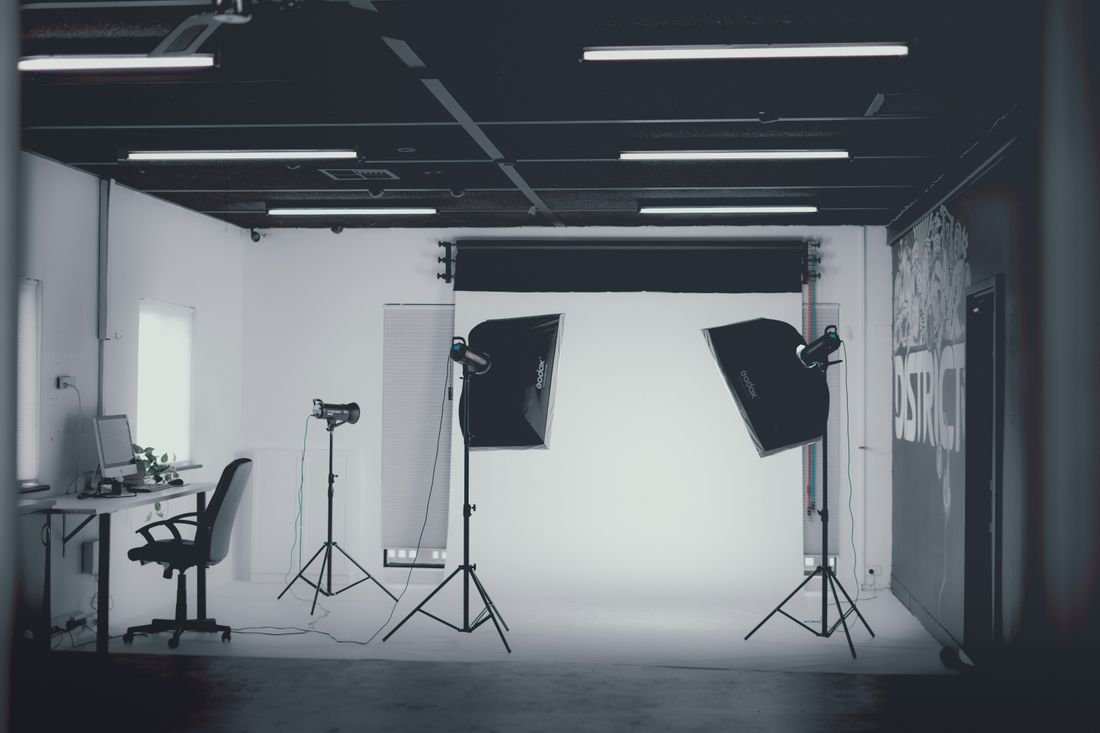
Photo by Hc Digital via Pexels.
Retouching Tier Scales With How Many Images, Not How Hard Each One Is
Retouching tier moves the price because it's priced by how many images get the attention, not by how technically demanding any single image is. A basic pass — selection, color, exposure consistency across the set — is standard on every headshot package. A heavier per-image retouch applied to the whole team, instead of the handful of leadership portraits that actually need it, is a different scope entirely, because that attention has to be repeated one photo at a time.
Team headshots already sit toward the heavier end of this scale compared to event coverage, since every person gets individual final images rather than sharing one gallery — but even within a headshot day, asking for the deepest retouch tier across everyone, instead of the smaller list of executives or public-facing profiles that actually need it, is what pushes a quote up. It's the same math behind any editing request: a pass applied once across a batch stays cheap regardless of headcount, and a pass repeated per image scales in a straight line with how many images it touches. How retouching levels actually break down is worth reading before deciding which tier the full team needs.
Turnaround: Standard Delivery vs. Paying to Compress It
Standard delivery for a team headshot session runs 7 to 10 days, which is enough time for a normal edit pass across a full team without anyone paying extra to speed it up. Rush delivery is available and pushes the price up, because it means reordering the editor's queue ahead of other work already scheduled, not simply working faster on the same file.
Turnaround is the variable most buyers only think about once it's already tight — a headshot day booked for a launch date closer than the standard window allows, discovered after the shoot is already on the calendar rather than before it. Asking for a faster delivery window doesn't change how much editing work exists; a team of twenty-five still needs twenty-five people's worth of selection and retouching regardless of when it's due. What changes is when that work happens relative to everything else already queued, and compressing that timeline is what a rush cost actually reflects. The cheapest version of fast delivery is naming the real deadline early, while the shoot is still being scheduled, rather than discovering the standard window doesn't fit once the day is already booked.
The Holding Space and the Person Running the Line, Which Nobody Budgets For
A holding space for people waiting their turn, and someone internal running the schedule, aren't line items on a quote, but they directly affect how efficiently the paid shooting time gets used — and inefficient shooting time is exactly what drives a quote up. Neither costs the vendor anything to ask for. Both cost the client something if they're missing.
Without a nearby space where the next few people can wait, each slot starts with a short delay while someone gets located, and those delays compound across a full day of back-to-back appointments. Without someone internal — an office manager, an assistant, anyone empowered to physically walk the next person over — the photographer ends up doing that job between portraits, which is paid time spent finding people instead of photographing them. Neither shows up as a separate charge on the invoice. They show up as a schedule that either holds its pace or slowly falls behind it, and a day that runs behind schedule is the version most likely to need extra time, or a follow-up session to finish what didn't get through.
What Happens to the Price When Six People Miss Their Slot
When people miss their scheduled slot, the fixed costs of the day already happened — the light is built, the travel is paid for, the block of hours is booked — and what changes is only whether that cost still covers the number of people it was planned for. Six no-shows out of thirty means the same setup cost is now spread across twenty-four portraits instead of thirty.
There are two ways this actually resolves. If there's slack left in the day, absentees who turn up late can sometimes be folded back into open slots before the setup breaks down, and the cost never changes. If the day is fully booked start to finish, six people who missed their window need a separate session to get photographed at all — and a separate session means paying for the setup and travel a second time for a handful of people, a far less efficient rate than the one the rest of the team got by sharing that same setup cost thirty ways. That's the same fixed-cost logic that makes the schedule matter more than headcount, just triggered by absence instead of by how many names were on the original list.
Frequently Asked Questions
Does a bigger team headshot day cost proportionally more?
No — the per-person rate actually drops as the group grows. Core Visuals prices the first five people at $300 each, the next five at $240 each, people eleven through twenty at $180 each, and everyone past twenty at $150 each, because setup and travel are fixed costs spread across however many people sit for them. A ten-person session runs $2,700, not double a five-person session's $1,500. The cost jumps only when the group outgrows what one day can hold.
What moves a team headshot quote more than headcount does?
How the day is scheduled. Thirty people photographed in one compressed session pays for a single setup, travel leg, and breakdown. The same thirty people spread across multiple days or return visits pays for that setup multiple times, even though the total headcount never changed. Scheduling spread, location complexity, and how many backgrounds or looks get requested all move a quote more directly than simply adding a few more names to the list.
Does shooting at multiple office locations cost more than one office?
Yes, and not by a small margin. A team split across three offices isn't one shoot with extra driving between stops — it's three separate light builds, three separate exposure setups, and three arrival windows, each repeating a fixed cost a single-location team only pays once. A conference room with usable window light at one address is generally the least expensive location, since the crew only has to build the setup a single time.
Why does asking for a second background or setup cost more?
Because it's a second complete lighting build, not a quick backdrop swap. Changing a background usually means repositioning lights, re-metering exposure, and testing the new setup from scratch before real portraits start. It also introduces a consistency risk: two setups shot hours apart can end up looking slightly different side by side, which is the kind of mismatch that sometimes triggers a reshoot — a costlier outcome than pricing the second setup honestly from the start.
What happens to the price if people miss their scheduled headshot slot?
The setup and travel costs already happened regardless of who shows up, so absences just change how many portraits that fixed cost covers. If there's open time left in the day, latecomers can often be folded into unused slots at no extra cost. If the day is fully booked, missed slots usually need a separate follow-up session — which means paying for setup and travel again for a much smaller group of people.
Related Reading
Planning headshots for a finance or wealth management team?
Tell us your team size and the tone you're going for, and we'll build a session that fits the credibility bar this industry actually needs.
See Headshots & Brand Videos