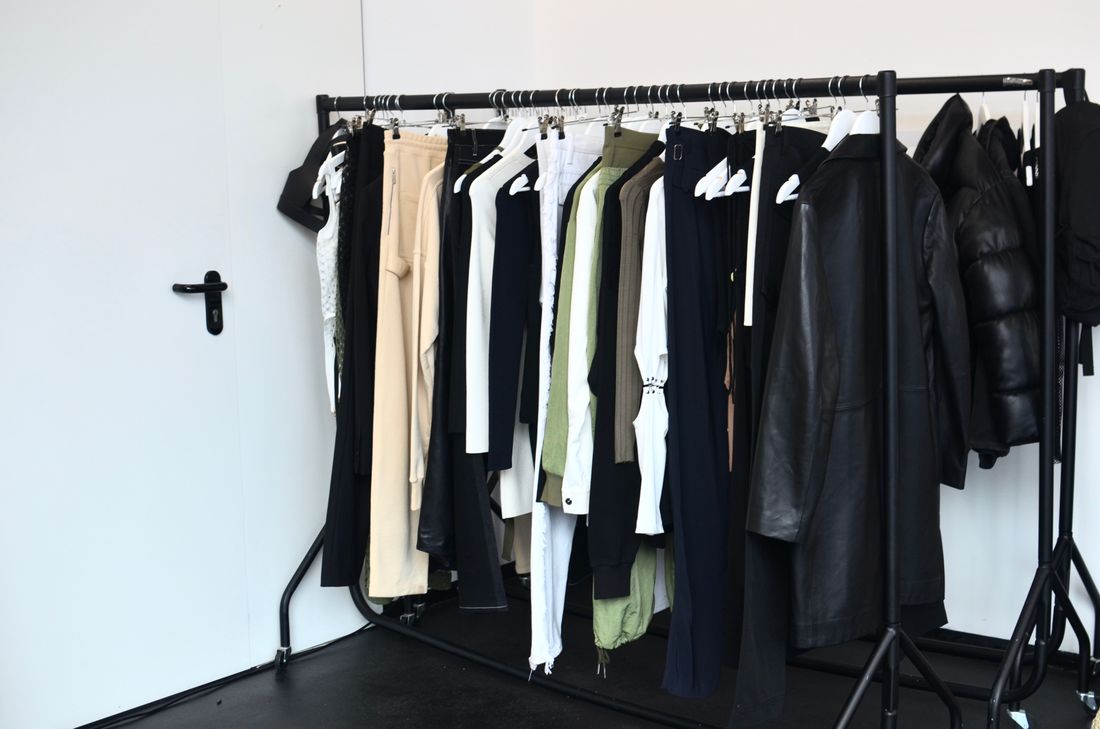
Photo by Skylar Kang via Pexels.
Somewhere in the planning of almost every brand shoot, someone asks whether they need a stylist, and the honest answer is usually buried under a sales pitch either way. A stylist who wants the booking will tell you every shoot benefits from one. A client trying to trim a budget will assume nobody needs one. Both instincts skip the actual question, which is narrower and more useful: what specifically is this shoot asking of the wardrobe, and does that ask exceed what a person can solve on their own before they walk in the door.
A wardrobe stylist earns its line item on multi-look sessions, brand campaigns, and higher-stakes personal-brand shoots, where wardrobe choices carry real weight and need coordinating across several outfits, people, or scenes. For a single subject in one look, especially internal or lower-stakes content, clear wardrobe guidance from the photographer and "wear what you'd wear to work" is usually genuinely enough, and a stylist becomes an added cost without an added result.
Table of Contents
- What does a wardrobe stylist actually do on a shoot, and what does adding one cost?
- When does "wear what you'd wear to work" genuinely hold up as wardrobe direction?
- What kind of shoot actually needs a stylist as a real line item?
- How does a stylist's cost compare to the rest of a shoot's budget?
- What goes wrong on multi-look sessions when nobody's managing wardrobe?
- What does a stylist do that a photographer's wardrobe notes can't cover?
- How do brand campaigns change the wardrobe math compared to a single portrait?
- How do you actually decide whether a specific shoot needs a stylist?
What does a wardrobe stylist actually do on a shoot, and what does adding one cost?
A wardrobe stylist plans outfits ahead of the shoot, coordinates them across people or looks, sources or pulls the actual pieces, and manages fit and continuity on set. That work adds its own day rate to the budget, separate from photography or video, and the cost scales with how many looks and people the stylist has to plan for.
On a single-subject shoot the stylist's job might be a short pre-shoot consultation plus a few hours on set checking fit and color against the background. On a multi-look campaign with several people, the job expands into full outfit planning, pulling options from multiple sources, and running continuity across a full shoot day. The rate usually follows that scope rather than a flat number, which is exactly why quoting one figure for every project is misleading. Ask any stylist for a quote against the specific shoot, not a general day rate, since a one-look headshot session and a five-look campaign are entirely different jobs wearing the same title.
When does "wear what you'd wear to work" genuinely hold up as wardrobe direction?
It holds up whenever the shoot has one subject, one look, and a purpose that doesn't depend on wardrobe carrying part of the message — most standard headshots, most internal content, most single-scene corporate video. In those cases, a person's own professional wardrobe is already doing the job a stylist would otherwise be hired to solve.
The test isn't the size of the company or the seniority of the subject, it's how much weight the outfit is carrying in the final image. A finance headshot needs someone in clean, well-fitted professional clothing, full stop, and most people already own that. A single-scene internal video explaining a process doesn't need coordinated wardrobe either, since nobody's comparing outfits across scenes. What a photographer can genuinely add without a stylist is simple, specific guidance beforehand: solid colors over busy patterns, avoid stark white or all-black, bring a backup shirt. That guidance, given clearly and early, closes most of the gap a stylist would otherwise be hired to close.
What kind of shoot actually needs a stylist as a real line item?
Multi-look sessions, brand campaigns with several people or scenes, and higher-stakes personal-brand shoots are where a stylist earns its cost. These are the projects where wardrobe has to do coordinating work across more than one outfit or subject, not just look presentable in a single frame.
A multi-look personal-brand shoot might need three or four outfit changes that each read as a distinct scene while still feeling like the same person and the same story, which takes planning most people haven't done before. A brand campaign running across several employees needs those employees to look coordinated without looking identical, a balance that's genuinely hard to hit without someone managing it deliberately. A launch shoot for a founder stepping into a more public role carries more visual weight than routine content, and the wardrobe becomes part of what that launch is communicating. In all three cases, the stylist isn't really a luxury add-on at all, they're solving a real coordination problem the shoot already has, whether anyone budgeted for it or not.
How does a stylist's cost compare to the rest of a shoot's budget?
On a small, single-subject shoot, a stylist's day rate can rival or exceed the cost of the photography itself, which is usually the moment a client realizes the line item isn't worth it there. On a larger multi-look or multi-person production, that same rate becomes a smaller share of a bigger total, which is where it starts making financial sense.
This is really a proportion question more than an absolute one. Adding a stylist to a one-hour headshot session roughly doubles the cost of the shoot for a problem the subject's own closet could have solved. Adding a stylist to a full-day campaign with five people and several looks is a modest percentage increase on a much larger production, in exchange for solving a coordination problem that would otherwise fall on someone without the skill to do it well. The line item isn't expensive or reasonable in isolation at all, it's expensive or reasonable only relative to what the rest of the shoot already costs.
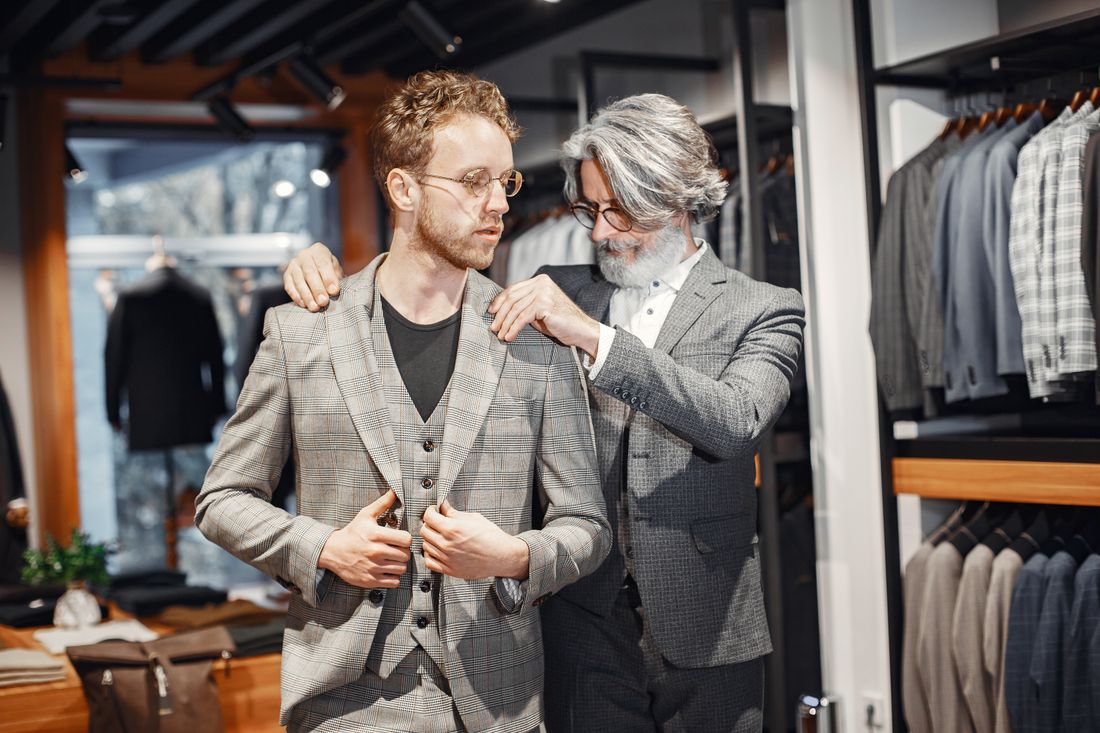
Photo by Gustavo Fring via Pexels.
What goes wrong on multi-look sessions when nobody's managing wardrobe?
Without a stylist, multi-look sessions tend to drift into either visual sameness, where every outfit reads as a slight variation on the same look, or outright clashing, where colors and patterns fight the background or each other from one setup to the next. Both waste the extra looks the client is already paying to shoot.
The subtler failure is continuity: a shirt that looked fine alone reads oddly next to the outfit shot twenty minutes later, or a color that worked in one lighting setup goes muddy in the next. Someone still has to make those calls in the moment, and without a stylist that job usually falls to the photographer, who is also trying to manage lighting, direction, and timing at the same time. It's not that the photographer can't make a reasonable call. It's that the shoot now has one person doing two jobs, and the wardrobe decisions get whatever attention is left over after everything else the day actually needs.
What does a stylist do that a photographer's wardrobe notes can't cover?
Written wardrobe guidance tells a subject what to bring; a stylist decides what actually gets worn, in what order, and adjusts it in real time against the light, the background, and the other looks already shot that day. Notes are static. A stylist is making live decisions the notes can't anticipate.
A guidance email can say bring three options in solid colors, but it can't see how navy reads against a specific studio backdrop until the camera's actually pointed at it, or notice that an outfit that looked sharp in the mirror at home is pulling oddly under a particular light. A stylist on set catches that in real time and swaps before it becomes a wasted setup. They also carry backup pieces, pins, and steamers, solving the small physical problems that written guidance simply can't reach from a distance. That's the actual value being purchased, not styling as decoration but styling as a second set of eyes making calls in the moment.
How do brand campaigns change the wardrobe math compared to a single portrait?
A brand campaign usually needs wardrobe that works across multiple people, multiple scenes, and often multiple platforms at once, which raises the number of decisions that all have to stay consistent with each other. A single portrait only has to solve for one person in one frame; a campaign has to solve for a whole visual system.
Think about a campaign shooting five team members across three settings for a mix of website, social, and print use. Each outfit has to read well individually, avoid clashing with the others when images run side by side, and hold up across different crops and formats. That's a genuinely different planning problem than picking one good shirt for one person, and it's usually where a stylist moves from optional to close to necessary. The larger the campaign's footprint, meaning the more places these images will eventually run, the more that consistency actually matters to whoever's approving the final set, and the harder that consistency is to manage without someone dedicated to it.
How do you actually decide whether a specific shoot needs a stylist?
Count the looks, the people, and what's riding on the wardrobe reading right, then compare that total to what a stylist's day rate would add to the budget. One person, one look, low visual stakes leans toward skipping it. Several people, several looks, or a launch moment leans toward booking one.
A useful gut check: if a wardrobe mistake in this shoot would mean a mildly awkward photo, skip the stylist and rely on clear guidance instead. If a wardrobe mistake would mean a campaign that looks visibly uncoordinated across five people, or a personal-brand launch that undercuts the moment it's meant to mark, that's a real cost worth protecting against. The decision isn't about how important the client is. It's about how much coordinating work the wardrobe actually has to do, and whether that work is small enough for a good email to cover or large enough to need someone managing it in person, on the day, while everything else on set keeps moving.
Frequently Asked Questions
Does a wardrobe stylist charge a flat day rate or a percentage of the shoot budget?
Most stylists work on a day rate rather than a percentage of the overall production, similar to how photographers and other crew price their time. That rate typically scales with prep time and the number of looks or people involved, so a one-look session and a five-look campaign land at different rates even with the same stylist. Always ask for a quote against the specific shoot's scope.
Can a photographer just give wardrobe guidance instead of hiring a stylist?
For a single subject and a single look, yes, clear written guidance usually covers it: solid colors, avoid busy patterns, bring a backup option. That guidance stops covering the gap once a shoot involves multiple looks, multiple people, or real-time decisions about how an outfit reads against a specific background, which is where a stylist's on-set judgment starts to matter more than a list ever could.
Does a small headshot session ever need a stylist?
Rarely, and usually only when the stakes are unusually high for a single portrait, like a major press photo or a launch image that will run everywhere. For the overwhelming majority of standard headshot sessions, a subject's own professional wardrobe plus simple guidance from the photographer beforehand is genuinely enough, and a stylist would just add cost without adding a meaningfully better result to show for it.
Who provides the actual clothing on a stylist-managed shoot: the stylist or the client?
It depends on the arrangement, and it should be settled before the shoot. Some stylists pull or source pieces as part of their fee, especially for campaigns needing specific items; others primarily plan and manage wardrobe the client or subjects already own. Either model works, but assuming the wrong one leads to someone showing up without options on the actual shoot day, which is a hard problem to fix once the camera's already rolling.
How far in advance should a stylist be booked for a shoot?
Book a stylist as early as the rest of the crew, ideally a few weeks out for anything involving multiple looks or sourced pieces, since planning and pulling wardrobe takes real time before the shoot day arrives. Booking one last minute usually means less time to plan, fewer options considered, and more improvising in the moment on set than the whole line item was originally meant to prevent.
Related Reading
Trying to put a real budget on photo or video coverage?
Tell us the date, the run time, and what you need delivered, and we'll send back a quote with the line items spelled out.
Get a Quote