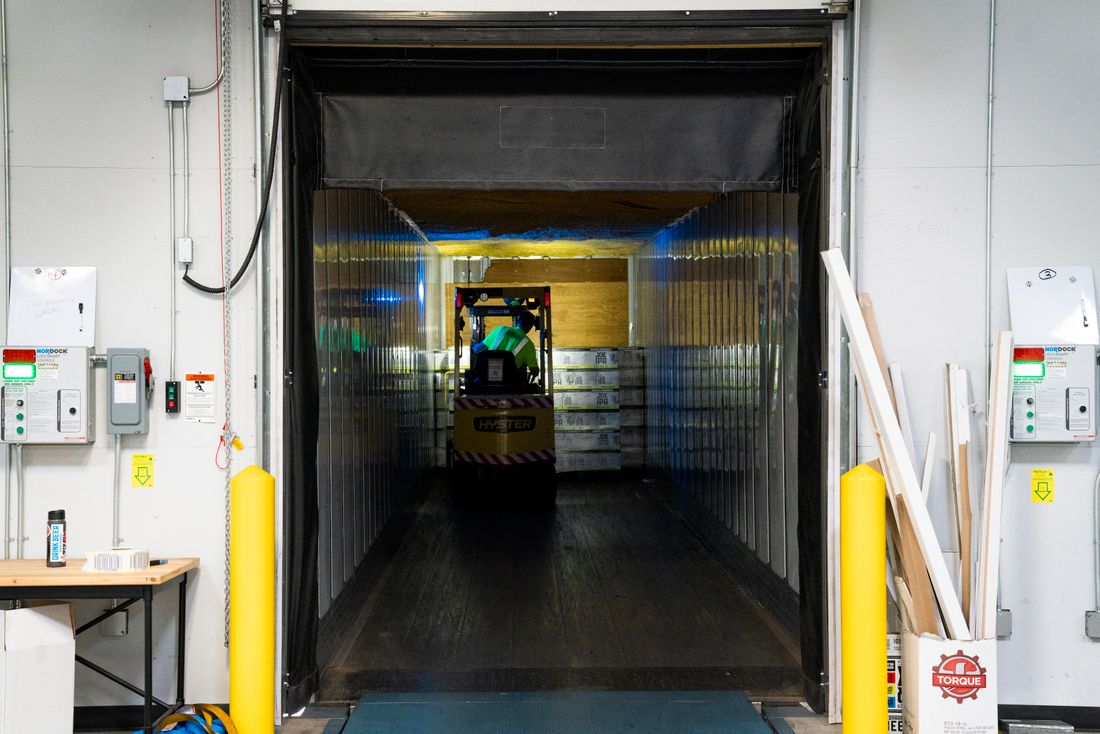
Nobody hands the photo and video team a copy of the venue's house rules. You find out what a big NYC hotel or convention space actually requires the way most crews do: standing at a loading dock at 6 a.m., watching someone else's freight elevator slot get called before yours, wondering who you're supposed to ask about the outlet you just plugged into. None of that is a knock on the venue. It's just a different layer of the job than most people booking event coverage think about, and it's worth understanding before you're the one standing at the dock.
Large NYC hotels and convention venues operate under house rules governing who can handle power and rigging, when freight elevators are available, and what insurance paperwork gets you in the building. A small photo and video crew rarely needs to hire union labor, but does need to plan around it — ask the venue's production manager early, not on load-in morning.
Table of Contents
- The house rules nobody puts in the invite
- What a 'load-in window' actually means for a small crew
- Who's allowed to touch power, rigging, and cable runs
- Why the freight elevator runs your schedule, not you
- The insurance paperwork that gets you in the building
- Building a shot list for a room you haven't walked yet
- Why buffer time belongs in the call sheet, not the schedule's margins
- The questions worth asking before you show up
The house rules nobody puts in the invite
Most large NYC hotels and convention venues operate under house rules that control who can plug in a light, run a cable, or hang anything from a pipe or ceiling grid — rules set by the venue and its labor agreements, not by your photographer or planner. They exist before your event is booked and don't bend for a two-person crew with a modest gear list.
The tricky part is that these rules aren't published anywhere a planner would naturally look. They live inside the venue's own operations and inside contracts between the venue and its house labor. A hotel ballroom and a convention center a few blocks away can run completely different rules, and the same hotel chain can run different rules city to city.
In practice, this means one thing: don't assume. What worked at the last venue doesn't automatically travel to this one. Ask your event's production manager, or the venue's own event coordinator, what applies here — specifically, not generally — and ask early enough that an answer changes how you plan the day instead of how you scramble through it.
What a 'load-in window' actually means for a small crew
A load-in window is the block of time a venue assigns your event to bring in equipment, and it's a scheduled resource shared with every other vendor working that day — catering, AV, florals, staging — not a personal appointment. For a two-person crew carrying light stands and cases, that shared window matters as much as it does for a full production build.
Venues that run multiple events a day, which describes most large NYC hotels and convention spaces, stack these windows tightly. Miss yours and you're not just late — you're waiting for the next vendor's slot to clear before the venue lets you back in, which can cost far more time than the delay itself.
The fix isn't hiring more people. It's asking for the window in writing before the event, confirming it against your own call time, and building in a buffer for the ordinary friction of a shared building — a slow elevator, a badge check, a hallway someone else is using. Your event's production manager or the venue coordinator will know the actual window; don't guess from a past event.
Who's allowed to touch power, rigging, and cable runs
At many large NYC hotels and convention venues, only venue-approved or house labor can touch certain power drops, truss, or rigging points — a rule that reflects who the building holds liable for that infrastructure, not whether your own crew is capable. It varies by venue and isn't something to assume from a past event.
A light stand plugged into a wall outlet in a room you're already allowed to be in is usually a non-issue. A cable run through a shared hallway, or anything hung from the venue's grid, is where the rule tends to show up. I'm not going to invent a specific number or name here, because it changes venue to venue and over time — what's consistent is that some version of this rule exists at most large properties, and finding out on load-in morning is the expensive way to learn it.
The useful move is asking one direct question ahead of time: for a crew our size, with this gear list, is there anything we're not allowed to plug in, hang, or run ourselves? Your event's production manager or the venue's own event services contact is the right person to answer it.
Why the freight elevator runs your schedule, not you
Freight elevators and loading docks at large NYC hotels and convention venues are scheduled resources booked in slots, and your two light stands share that slot with catering's rolling racks, the AV team's road cases, and whatever else is moving through the building that morning. Nobody gets priority by virtue of having a smaller footprint.
This is a scheduling problem before it's a logistics problem. The dock has a limited number of bays, the freight car has a limited number of trips per hour, and a hotel running a full event calendar is allocating both across every vendor on-site that day, not just yours. Arriving early doesn't help if your slot hasn't opened yet, and arriving late means waiting for someone else's slot to finish.
What actually helps is knowing your slot before you leave for the venue, confirming which entrance and which elevator bank it applies to, and packing light enough that if you do get squeezed into a smaller window, you can still move your gear in one or two trips instead of four. Ask the venue's loading dock coordinator or your event's production manager for the specifics — they change by building and by day.
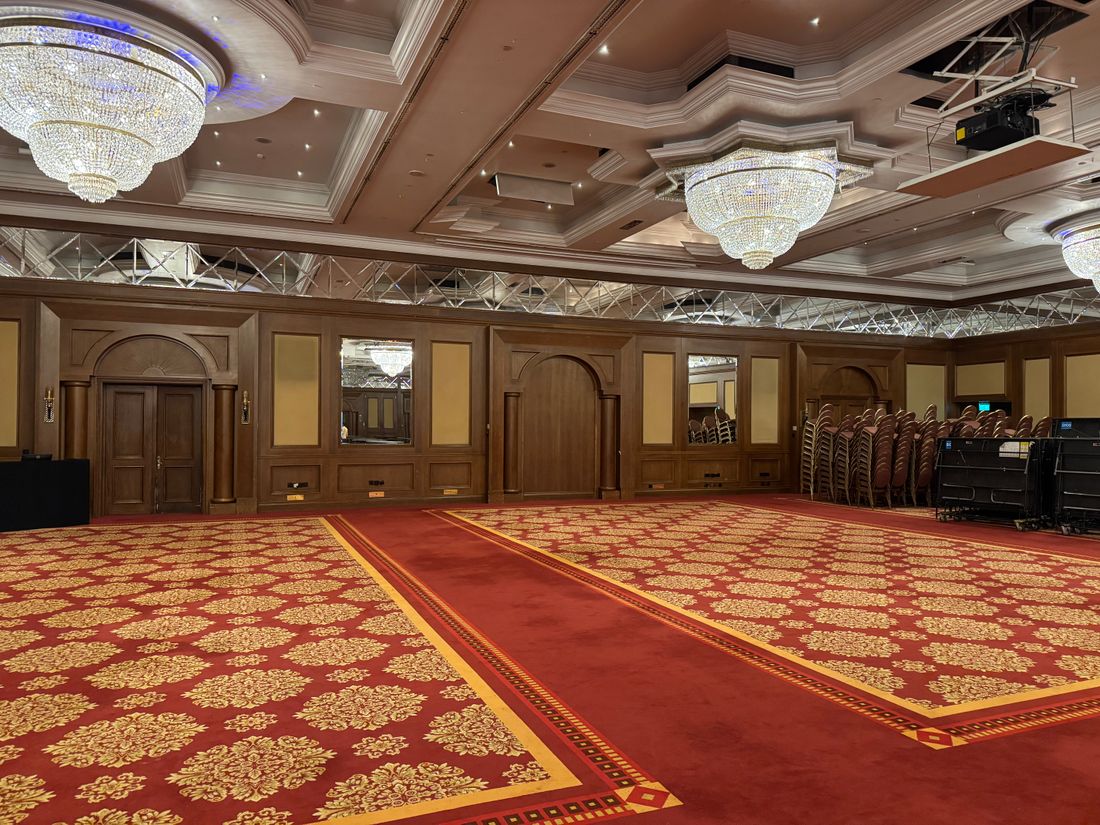
Photo by Fanuel Leul via Pexels.
The insurance paperwork that gets you in the building
Most large NYC hotels and convention venues require a certificate of insurance, or COI, before any outside vendor — including a photo or video crew — is allowed on-site, and many want the venue named as an additional insured on that certificate. This isn't a Core Visuals policy; it's a standard building requirement.
It shows up for florists and caterers the same way it does for camera crews. The paperwork itself usually isn't complicated once your production insurance is in order. The part that trips people up is timing: a COI naming a specific venue as additional insured can take a few business days to generate, and venues often want it submitted well ahead of the event, not carried in on load-in morning.
I keep this on my own pre-production checklist for exactly that reason — it's a five-minute request if you start it early and a genuine blocker if you don't. Ask your event's production manager what the venue's specific COI requirement is, including any coverage minimums, as soon as the venue is confirmed, not once the shot list is done.
Building a shot list for a room you haven't walked yet
Plenty of large NYC hotel and convention bookings don't allow a vendor site visit before the event, which means your shot list gets built from a floor plan, a few reference photos, and a conversation with the planner — not a walkthrough. That's a normal constraint at busy venues, not a sign something's being withheld from you.
The way through it is planning by intention rather than by exact frame. Instead of scripting a note like wide shot from the northeast corner, I plan around what has to get covered — the entrance and greeting, the stage or head table, the room-wide establishing shot, the close interactions — and leave the specific angle to whatever the room actually gives me once I'm standing in it.
A same-day walk, even a short one before doors open, is worth asking for even when a full site visit isn't possible. Most venues can accommodate a quick look an hour or two ahead of the event, and that short window is usually enough to swap a planned angle for a better one without touching the rest of the plan.
Why buffer time belongs in the call sheet, not the schedule's margins
A hotel or convention call time should build in slack for the parts of the day you don't control — dock delays, a freight elevator running behind, a security or badge check that takes longer than expected — rather than assuming every step happens exactly on schedule. Treating buffer as optional is how a tight but workable plan turns into a rushed load-in.
This isn't about padding for its own sake. It's a recognition that your crew is one of several moving through a shared building infrastructure that morning, and the venue's schedule, not yours, sets the pace for the parts that touch docks, elevators, and security. Building slack into the plan protects the shoot itself from absorbing that friction.
In practice, that means treating the venue's stated load-in window as the start of your buffer, not the end of it, and having a fallback plan — a secondary entrance, a shortened setup, a revised order of shots — ready if the first hour doesn't go as planned. Your event's production manager can usually tell you which parts of a given venue's process run tightest.
The questions worth asking before you show up
The single most useful thing a client or planner can do before booking event coverage at a large NYC hotel or convention venue is ask the venue's production or event services contact a short, specific set of questions well ahead of the date, rather than assuming the answers from a previous event or a different property.
Worth asking directly: what is our assigned load-in window and which entrance does it apply to; is there anything our crew isn't permitted to plug in, run, or hang ourselves; what does the venue require on our certificate of insurance and by when; and is any kind of same-day walkthrough possible before doors open. Each answer changes how the day gets planned, and none of them are things a photo or video crew can supply on its own.
I ask these questions as a matter of course on hotel and convention bookings, and I'd rather ask them two weeks out than find the answer at the loading dock. If your planner hasn't already gotten these answers, it's a fair thing to raise before the event, not during it.
Frequently Asked Questions
Do I need a certificate of insurance to shoot at a large NYC hotel or convention venue?
Almost always, yes. Most large hotels and convention venues require a certificate of insurance from any outside vendor on-site, often naming the venue as an additional insured. Requirements vary by property, so ask your event's production manager or the venue's event services contact what's needed and by when as soon as the venue is confirmed — the paperwork can take a few business days to generate, and venues typically want it submitted well before the event, not on load-in morning.
What does 'load-in window' mean for a small photo and video crew?
It's the scheduled block of time a venue assigns your event to bring equipment in — a shared resource used by every vendor working that day, not just yours. A small crew still needs to hit that window, because missing it can mean waiting for another vendor's slot to clear. Confirm the exact window and entrance with the venue or your event's production manager ahead of time, and build in buffer for shared elevators and docks.
Can my own photo or video crew run power and rigging at a union hotel venue?
It depends on the venue, so ask rather than assume. Many large NYC properties restrict who can touch certain power drops or rigging points, separate from what your crew can safely do. A wall outlet in your own space is usually fine; hallway cable runs or anything hung from the venue's grid is where rules most often apply. Your event's production manager or the venue's event services contact will know specifics.
How do freight elevators and loading docks affect event-day scheduling?
They set the pace, not you. Docks and freight elevators at busy venues run on scheduled slots shared across every vendor working that day — catering, AV, florals, and your crew all compete for the same limited bays and trips. Arriving early doesn't help if your slot hasn't opened, and arriving late means waiting behind someone else. Confirm your assigned window and entrance in advance, and treat that window as the start of your buffer, not the whole plan.
How do I plan a shot list for a venue I can't walk before the event?
Plan around intention rather than exact frames. Build the list from a floor plan, reference photos, and a conversation with the planner, listing what has to get covered — entrance, stage or head table, room-wide shots, key interactions — and leave the precise angle for when you're actually in the room. Ask for a short same-day walk before doors open even if a full advance visit isn't possible; most venues can accommodate an hour or two of lead time.
Related Reading
Not sure if hourly or a package makes more sense for your event?
Tell us the expected length, and we'll run the actual numbers before you book.
See Event Coverage Packages