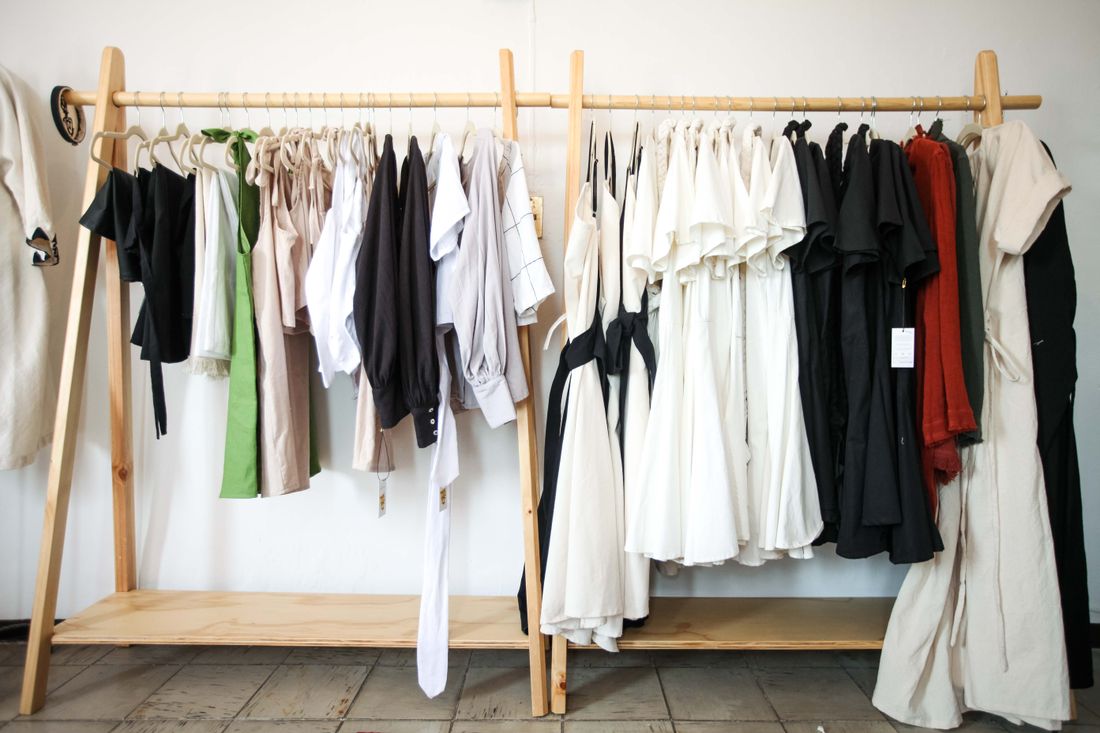
Photo by Los Muertos Crew via Pexels.
A trunk show doesn't need a crowd, a stage, or a runway — it needs a quiet room, a curated selection, and clients arriving one appointment at a time. That's a different job than the bigger fashion events we cover, and it changes the whole coverage plan: fewer people in the room, closer product detail, and a shooter who can move through appointment slots without anyone noticing the camera is there.
A trunk show or by-appointment fashion event is a small, invitation-based selling event where clients see a curated collection one appointment at a time, usually inside a boutique. Coverage focuses on buyer interaction and product detail, not a runway or a crowd, and it runs whenever a brand schedules it — with no tie to Fashion Week.
Table of Contents
- What a Trunk Show or By-Appointment Fashion Event Actually Is
- Who's Actually in the Room: Clients, Not a Crowd
- Coverage That Moves Across Appointment Slots, Not One Big Window
- Product Detail: What the Camera Actually Needs to Capture
- What the Shot List Looks Like for a Trunk Show
- Why Trunk Shows Run Year-Round, Not on a Fashion Calendar
- What the Photos and Video Actually Get Used For After
- How to Plan Coverage for a Trunk Show or By-Appointment Event
What a Trunk Show or By-Appointment Fashion Event Actually Is
A trunk show or by-appointment fashion event is a small, invitation-based selling event where a brand shows a curated selection directly to individual clients, one appointment at a time, usually inside a boutique or private showroom rather than a large public venue. Buying happens in the room, not later online.
The format sits apart from the bigger fashion events we've covered before. It isn't a runway show, and it isn't the wholesale showroom presentation that happens during Fashion Week, where the audience is press and buyers deciding what to stock. A trunk show's audience is the boutique's own clients, invited in advance to see a collection before or instead of it going on the sales floor. Some trunk shows are a single afternoon at one store. Others are a rep touring a small selection through several cities, a few hours in each. Either way, the scale stays intimate: a handful of pieces, a handful of appointments, one room doing the work a full retail rollout would otherwise need weeks to do. Nothing about the format needs a large venue or a crowd — a back room, a private showroom, or even a residence can host one comfortably.
Who's Actually in the Room: Clients, Not a Crowd
The room at a trunk show holds a handful of clients at a time, each on their own appointment slot, not a press line or a walk-in crowd. Coverage has to work around one-on-one attention: a stylist walking a single client through a rack, without turning a private conversation into a performance.
That changes what the camera is doing compared with almost any other event we cover. There's no stage, no program, and no wide audience to scan for reaction shots. Most of the room's activity is two or three people at a time — a client, a stylist or sales associate, sometimes the designer or a brand rep working the room between appointments. Coverage means staying close enough to catch a real moment and far enough back that nobody feels watched mid-decision. We're not directing poses or asking people to hold a smile for the frame. The job is closer to documentary work at a small scale: catch what's actually happening, quietly, and step back the second an appointment needs the space to itself.
Coverage That Moves Across Appointment Slots, Not One Big Window
A trunk show usually runs as a string of scheduled appointments across a day rather than one continuous event, so coverage works in short, repeatable passes — a few minutes with each client — instead of one long, uninterrupted shoot. That rhythm changes how a shooter plans the day.
We build coverage around the appointment schedule itself: who's expected, roughly when, and how much space between slots. Between appointments there's often a quieter stretch — restocking a rack, resetting a fitting area — that's worth a few frames of its own, since it shows the event's actual texture rather than only the client-facing moments. Because each appointment is essentially private business between a client and the brand, we default to working from a slight distance and letting a longer lens do the closing-in, rather than stepping directly into a conversation. A boutique running six or eight appointments in a day gets a set that reads as one cohesive event, even though most of the actual work happened in short bursts spread across several hours. That's a different scheduling problem than a single-block event, and it's worth planning for up front rather than discovering it mid-day.
Product Detail: What the Camera Actually Needs to Capture
Product detail at a trunk show means close, clean images of the specific pieces on offer — fabric, hardware, stitching, how an accessory sits when it's handled — shot for the brand's own marketing rather than a full lookbook. The goal is fewer, sharper images of what's actually for sale.
Trunk shows aren't only apparel. Jewelry, bags, and small accessories run this format often, and each needs its own approach: a ring or clasp wants a macro-style close shot, a bag wants to be seen held and worn, not just set on a table. We shoot the pieces on the rack or display before anyone's touched them, and again once a client has one in hand, since a held piece often reads more honestly than a styled flat lay. Unlike a full look-by-look catalog shoot, we're not documenting an entire collection in fixed order — we're picking the handful of images that show off what made this particular selection worth an appointment. Good light matters more here than at almost any other event, since a product shot with a flat or greenish cast undercuts the actual craftsmanship the brand is asking a client to pay for.
What the Shot List Looks Like for a Trunk Show
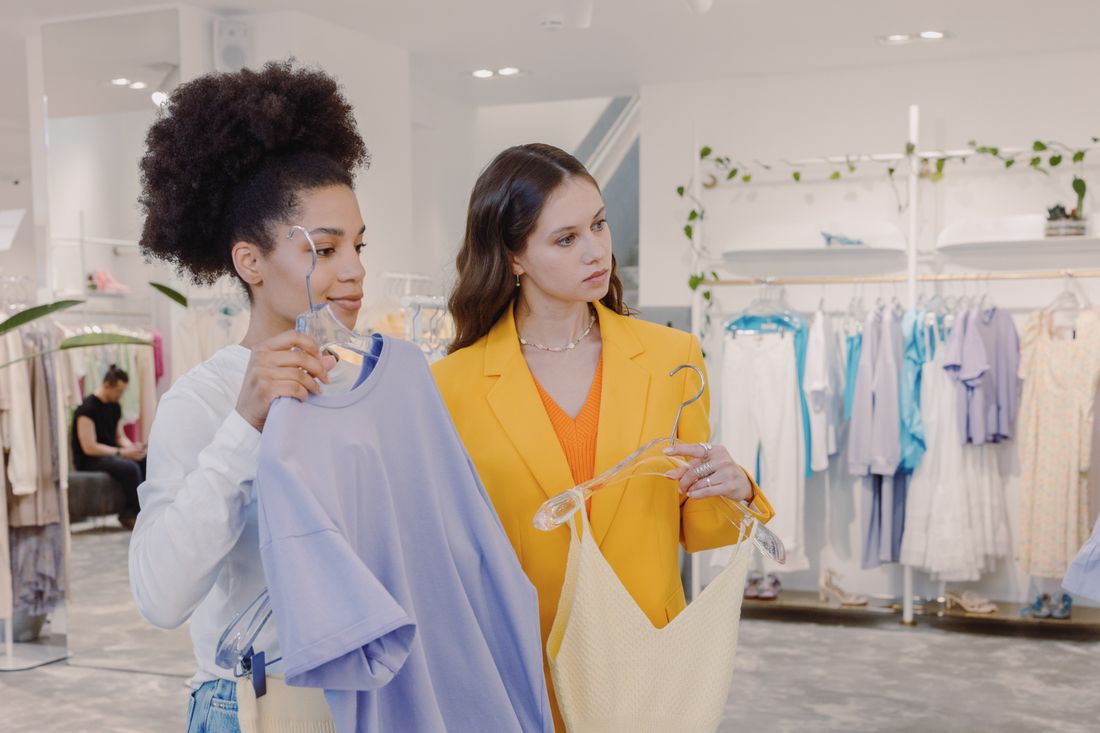
A trunk show shot list covers arrival and greeting, browsing, a styling consult, hands on a garment or accessory, and the room itself between appointments — a mix of candid client moments and quiet product beauty shots, built around a schedule instead of a program.
We plan for repeatable moments rather than a single big scene: each new client arriving gets a similar treatment, so the final set feels consistent even though it was shot across separate appointments. A styling consult is usually the strongest moment in the room — a client holding a piece up, a stylist making a suggestion, a decision visibly forming. We also shoot the space itself: a styled table, a mirror corner, racks before the first appointment starts, since those detail shots give a brand images that work outside the context of any one client. None of this needs a big crew or elaborate lighting setup — a quiet, well-lit room and a shooter who can move without being noticed covers it. The list stays short on purpose, since a shot list this specific is easier to work through quietly than a longer one built for a bigger event.
Why Trunk Shows Run Year-Round, Not on a Fashion Calendar
Trunk shows and by-appointment selling events happen whenever a brand wants one — a holiday selling push, a new collection preview, a private sale for top clients — with no tie to Fashion Week or any other fixed date on the fashion calendar. That's a real practical difference from showroom coverage tied to a citywide event window.
Because a trunk show isn't anchored to a single week when every venue and vendor in the city is booked solid, scheduling tends to be easier and more flexible. A boutique might run one every few months as a standing part of how it sells new arrivals to its best clients. A designer might book a handful across a single fall season, one per city, none of them near Fashion Week at all. That flexibility is worth planning around: coverage for this format gets booked whenever the brand's calendar calls for it, not queued behind a citywide seasonal rush. It also means a slower, quieter season for event bookings generally is often the easiest window to lock in a date and a shooter without competing against a citywide calendar crunch.
What the Photos and Video Actually Get Used For After
Trunk show photos and video mostly get used close to the event itself: a recap email to clients who couldn't make it, a short social teaser announcing the next one, and a handful of images the boutique or brand keeps for its own ongoing marketing. It's a small, practical deliverable set, not a full campaign.
A boutique running its own trunk show often wants images it can drop straight into an email newsletter or an Instagram story within a day or two, while the collection is still in the store. A designer's rep touring several cities may want something different: a short recap that shows the tour had energy in each stop, useful for reporting back to the brand or planning next season's route. Video tends to work best as a brief, quiet cut of the room in motion — hands on fabric, a consult in progress — rather than a highlight reel built for a big program. Turnaround matters as much as the footage itself, since a recap that lands after the next appointment window has already opened has missed most of its own usefulness.
How to Plan Coverage for a Trunk Show or By-Appointment Event
Planning trunk show coverage starts with the appointment schedule, venue access, and how much of the day actually needs a camera in the room — often a few hours around the busiest appointment block rather than the full open-to-close window. Settling those keeps the booking simple and the shoot itself unobtrusive.
We ask what time appointments start clustering, since the busiest stretch is usually where the strongest coverage comes from, and a quiet early or late slot may not need a shooter there at all. For a single-location trunk show that runs a few hours, hourly coverage — $850 an hour with a two-hour minimum — often fits better than a full package built for a longer event. A multi-stop tour or a full-day event with steady appointments usually makes more sense as a fixed package. Either way, we scope it around the actual appointment volume, not a generic event-length assumption. We also ask early about turnaround, since a recap that's useful the same week is a different edit than a set of product images meant to last the whole season.
Frequently Asked Questions
What's the difference between a trunk show and a fashion show?
A fashion show involves models presenting a collection to an audience, usually on a runway or in a staged program. A trunk show is a selling event: a brand or designer shows a curated selection directly to individual clients, one appointment at a time, inside a boutique or private space. There's no runway, no program, and no audience — just a client, a stylist, and the pieces themselves, with buying happening in the room.
Do you shoot multiple appointment slots in one day?
Yes. Most trunk shows run as a string of appointments across a single day rather than one continuous event, so coverage happens in short, repeatable passes — a few minutes with each client — spread across the appointment schedule. We plan around when appointments cluster most heavily and build the day's coverage from those windows rather than staying for every quiet stretch in between, which keeps the booking focused on the moments that actually give the brand usable images.
How many people are usually photographed at a trunk show?
Usually just a handful at a time: one or two clients per appointment, a stylist or sales associate, and sometimes a designer or brand rep working the room. It's an intimate scale by design, closer to documenting a series of small, private moments than covering a crowd. That scale is exactly what shapes the coverage plan — no wide crowd shots, no stage, mostly close, quiet framing.
Can you cover a by-appointment event that runs across several cities or several days?
Yes. A designer or brand rep touring a selection through several stops books coverage the same way at each stop — scoped to that location's own appointment schedule and venue. We can plan a single stop or coordinate coverage across a multi-city run, with deliverables built to show the tour had consistent energy at every location, not just the busiest one, and turnaround set so recap content is ready before the next stop opens.
What size crew do you send for a trunk show?
A single photographer or videographer covers almost every trunk show. The format is intimate by nature — a quiet room, individual appointments, no stage or program to track — so a small, unobtrusive crew fits better than a larger team built for a bigger event. If a client wants both photo and video documented at once, we scope a two-person crew, but it's the exception here, not the default.
Related Reading
Not sure if hourly or a package makes more sense for your event?
Tell us the expected length, and we'll run the actual numbers before you book.
See Event Coverage Packages