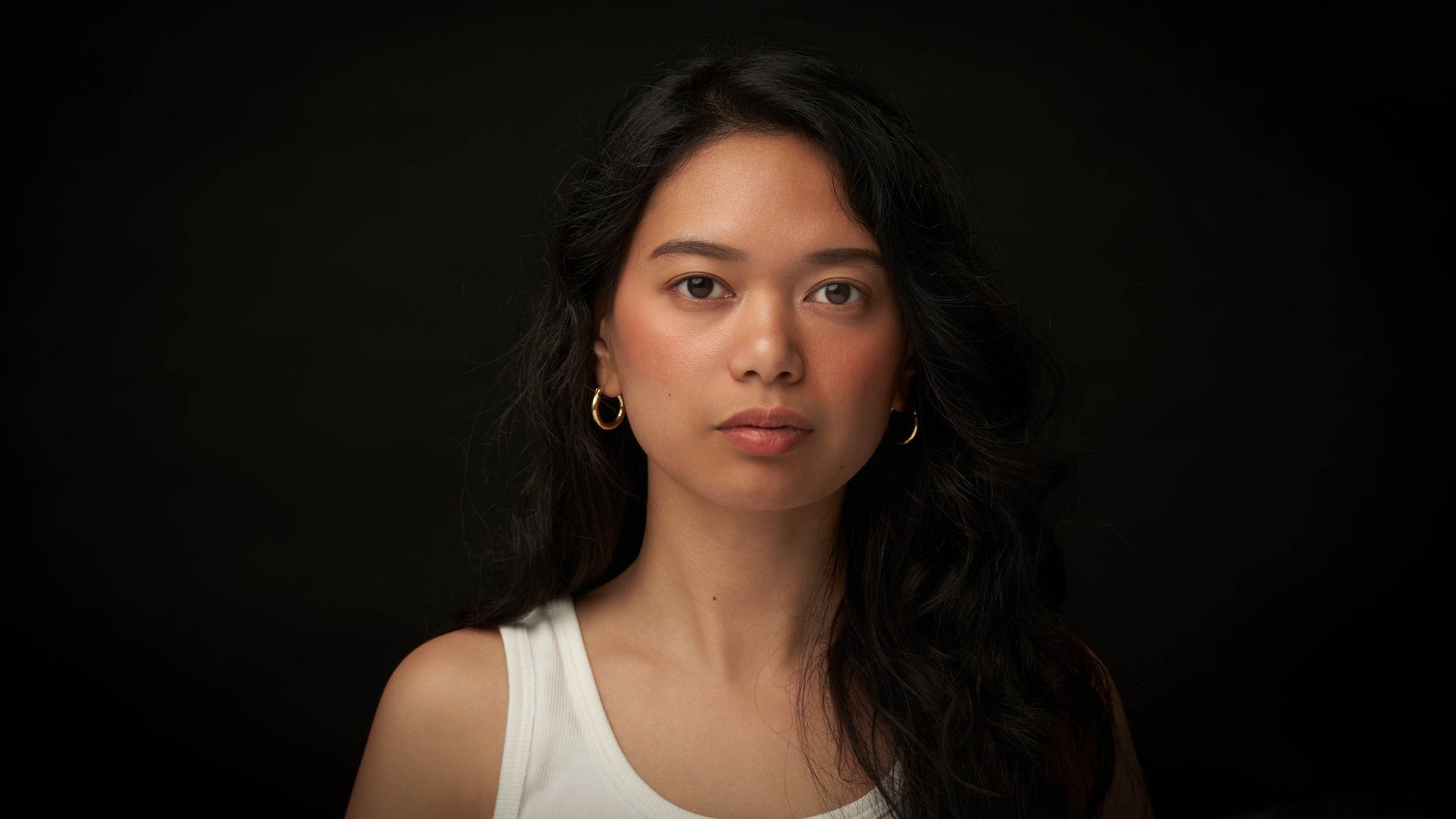
Photo: Core Visuals NYC
A talent agency does not need one great portrait. It needs the same portrait made three hundred times, for three hundred different faces, in a way that still lets each person read as themselves. That is a production discipline, not a photographer's personal style, and it changes almost everything about how the shoot day actually gets planned.
Standardizing headshots across a talent or modeling agency roster means locking a fixed spec (background, lighting setup, crop, framing distance, file naming) before the first person sits down, so every roster member gets the same treatment regardless of who is shooting that day or week. Consistency is the deliverable, not any single portrait.
Table of Contents
- Why is a talent agency roster a different job than a single portrait?
- What does a fixed roster spec actually lock down before shooting starts?
- Why does repeatability matter more than any one photographer's personal style here?
- How does scheduling change when a roster has dozens or hundreds of people?
- How does one spec work across a roster of genuinely different people?
- What does an actual roster shoot day look like on set?
- Why does file naming and delivery format matter as much as the photo itself?
- How does Core Visuals approach a talent or modeling agency roster project?
Why is a talent agency roster a different job than a single portrait?
A talent agency roster needs the same visual spec applied consistently across every person represented, so a casting director can flip between headshots on a page and never notice a change in lighting, crop, or background from one client to the next. A single strong portrait is not the goal here.
An individual client hiring a photographer for one headshot wants that photographer's personal eye brought to bear on their one face. An agency roster inverts that. The photographer's individual style has to disappear behind a repeatable system, because the roster lives or dies on every entry matching every other entry, not on any single image standing out.
That shift changes the brief before a camera is even involved. A roster job starts with defining the spec that will apply to every sitting, not with planning one memorable shot. We treat it as building a system first and shooting the people through that system second, which is a genuinely different planning conversation than a one-off portrait booking.
What does a fixed roster spec actually lock down before shooting starts?
A fixed spec locks background color and material, lighting setup and ratio, camera distance and lens choice, crop and framing, and file naming and delivery format, all decided once before the first sitting rather than negotiated fresh for each person. Every one of those choices gets written down.
Background and lighting matter most because they are the fastest way a roster starts looking inconsistent. If one sitting used a slightly warmer key light or a different gray backdrop than the sitting three weeks later, a casting director flipping through the roster notices the mismatch before they notice either subject. Locking the exact setup, not just a general description of it, prevents that drift.
Crop and framing distance matter almost as much, since a roster where some faces fill the frame and others sit farther back reads as sloppy even when every individual shot is technically well composed. We write the spec down as a literal checklist, not a style note, so it survives being handed to a different photographer or a different week entirely.
Why does repeatability matter more than any one photographer's personal style here?
An agency roster is judged as a set, not as individual photographs, so a technically excellent portrait that breaks from the established spec actually damages the roster even if it is the strongest single image in the batch. Repeatability is the actual craft being hired here.
This is a hard adjustment for a photographer used to being judged on individual images. A shot that would win praise as a standalone portrait, with a more dramatic light or an unusual crop, can be the wrong choice entirely inside a roster, because it breaks the pattern every other entry follows and makes the whole set look unplanned or rushed together.
We approach a roster job as production discipline first and creative expression second, deliberately. The photographer's judgment still matters, in reading each person's expression and getting a natural, unforced moment, but it operates inside the fixed spec rather than around it. Consistency across the full set is the actual deliverable an agency is paying for, every time.
How does scheduling change when a roster has dozens or hundreds of people?
A large roster gets scheduled in short, tight blocks, often ten to fifteen minutes per person, run across one or several dedicated shoot days rather than booked as separate individual sessions. The spec being fixed in advance is what makes that pace possible at all.
Because the lighting, background, and framing are already locked before anyone sits down, each sitting becomes a matter of getting the person in position, checking expression, and moving to the next name on the list. There is no time spent re-deciding the setup between sittings, which is exactly what a roster this size cannot afford.
New additions to the roster present a separate scheduling problem worth planning for. A single new hire, model, or client added months after the original shoot days still needs to match the same spec exactly, which means keeping the setup notes, not just the images, on file long after the original shoot wraps so a later addition slots in without anyone guessing at the original settings.
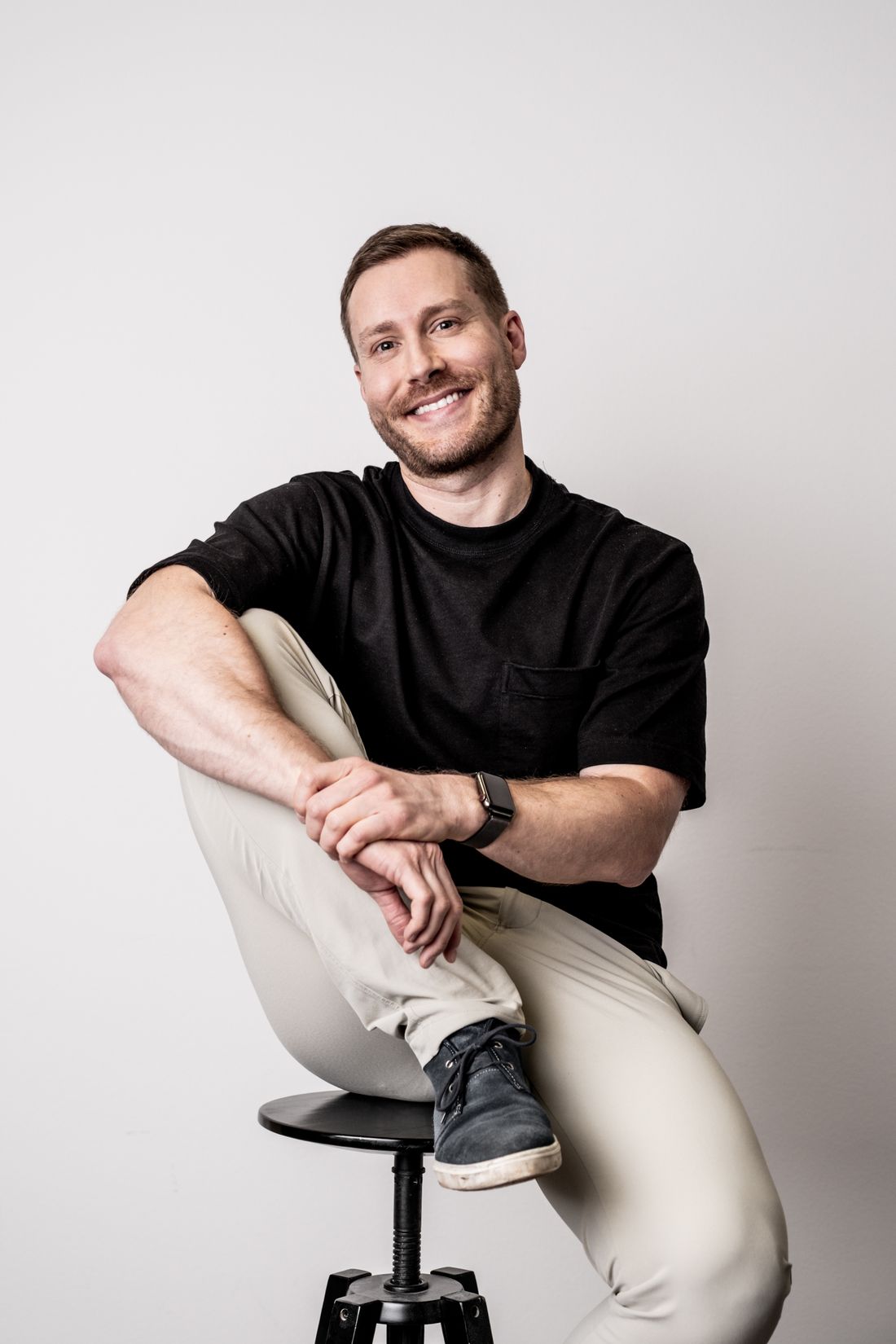
Photo by Mâide Arslan via Pexels.
How does one spec work across a roster of genuinely different people?
A good fixed spec is built to flatter a wide range of skin tones, hair, and body types without changing the underlying setup, which usually means a soft, even key light and a neutral background rather than anything dramatic or high-contrast that only reads well on certain subjects.
This is where the spec gets tested hardest. A lighting setup that looks striking on one person can go flat or unflattering on another with different coloring or features, and an agency roster cannot afford a spec that only works for part of its client list. The setup has to be chosen, and sometimes adjusted in small ways, specifically because it holds up across genuine variety.
Small technical adjustments, like a slight change in exposure or a fill light bumped up for a particular skin tone, are not the same as changing the spec. They are calibration inside a fixed system, applied consistently by rule rather than by instinct in the moment, which keeps the roster looking uniform even when the people in it look nothing alike.
What does an actual roster shoot day look like on set?
A roster shoot day runs on a fixed station, a set light and background that never moves, with people rotating through on a schedule rather than the crew resetting the environment for each person. The efficiency comes from the setup staying still while the subjects change.
Before the day starts, the space gets built once: the backdrop hung and measured, the lights metered and locked, a mark taped on the floor for where each subject stands. Nothing about that changes for the next several hours, which is what allows a tight per-person schedule to actually hold rather than sliding later with every sitting.
We check the first few results against the spec early in the day, comparing exposure, crop, and framing against the locked reference before dozens of sittings have already happened. Catching a drift in the first ten minutes is a five-minute fix. Catching it after eighty sittings means reshooting eighty people, which is the scenario the whole planning process exists to avoid.
Why does file naming and delivery format matter as much as the photo itself?
A large roster needs a consistent naming and folder structure applied at delivery, tied to each person's name or agency ID, so the agency can drop files directly into its existing system without manually renaming or sorting a batch of hundreds of images by hand, one at a time.
This sounds like an administrative detail until the roster reaches real scale. An agency receiving two hundred images named only by camera file number has to manually match every photo to a name before anything is usable, which turns a finished shoot into a second, unpaid project for whoever receives the files afterward.
We agree on the naming convention and delivery structure before the shoot day, the same way we lock the lighting spec, so the batch arrives ready to use immediately. That decision belongs in the same planning conversation as the visual spec, since a roster's usefulness depends on how quickly the agency can actually put the images to work once they land.
How does Core Visuals approach a talent or modeling agency roster project?
We start a roster project by defining and documenting the full spec, background, lighting, crop, and delivery format, before scheduling a single sitting, then run the shoot days against that written reference rather than relying on memory or instinct to hold consistency across dozens or hundreds of people.
That documentation outlives the original shoot. An agency roster keeps changing as people join and leave, and the spec file is what lets a new addition six months later match the original set exactly, without needing to reassemble the same crew or guess at settings from old photos long after the fact.
This approach trades individual creative flourish for something an agency actually needs more day to day: a roster that reads as one coherent visual system regardless of who is on it or when they were added to it. We think that trade is the right one for this kind of project, and we build the entire process around it from the first planning conversation.
Frequently Asked Questions
Why does a talent agency roster need one fixed spec instead of letting a photographer shoot each person their own way?
A roster is judged as a set, viewed side by side by casting directors and clients, so any inconsistency in lighting, crop, or background stands out immediately. A single strong individual portrait that breaks from the established spec actually weakens the roster even if it is technically the best photo in the batch. Consistency across every entry is the actual deliverable being hired here, not any one image.
How long does a single sitting take when photographing a large agency roster?
Sittings usually run ten to fifteen minutes per person once the fixed spec, lighting, and background are already locked and staged. That pace is only possible because nothing about the setup gets renegotiated between subjects. Building the spec and station once at the start of the day is what allows a large roster to move through dozens of people without the schedule sliding later with every sitting.
Can a lighting and background setup work well across a roster with very different skin tones and features?
Yes, if the spec is chosen for that purpose from the start, typically a soft, even key light and a neutral background rather than a dramatic or high-contrast setup that only flatters certain subjects. Small calibration adjustments, like exposure or fill light, are applied consistently by rule for each person rather than by instinct, which keeps the roster looking uniform without changing the underlying system.
What happens when a new person joins the agency roster months after the original shoot days?
A documented spec, kept on file after the original shoot wraps, lets a new addition match the existing roster exactly, since the lighting, background, crop, and framing are already written down rather than remembered. Without that documentation, a later addition risks looking noticeably different from the rest of the set, which is the exact inconsistency a fixed spec was built to prevent in the first place.
Why does file naming matter for a roster delivery, not just the photos themselves?
A large agency receiving hundreds of images named only by camera file number has to manually match every photo to a person before any of it is usable, turning a finished shoot into extra unpaid work for whoever receives the files. Agreeing on a naming and folder structure tied to each person's name or agency ID before the shoot day means the delivered batch is ready to use immediately.
Related Reading
Booking headshots or a brand video for your team?
Tell us how many people and whether you need photo, video, or both, and we'll send back a fixed price with the volume discount already applied.
See Headshots & Brand Videos