Photo by George Milton via Pexels.
Companies switch photographers for ordinary reasons: someone moved, a schedule stopped working, a price changed. Then the first gallery comes back and everything is subtly wrong — same rooms, same people, different look — and nobody can name why.
A new photographer can match an existing visual style closely if they receive reference images, the color and retouching standard, the crop and framing conventions, the delivery specs, and a shot list from a previous event. What does not transfer is the previous shooter's relationships in the room, which is the gap worth planning around.
Table of Contents
- Why the Look Drifts Even When Nothing Obvious Changed
- Send Twenty Images, Not a Mood Board
- Color and Retouching Are the Two Biggest Levers
- The Shot List From a Previous Event Is the Cheapest Handover
- Match the Delivery, Not Just the Photos
- The Handover Conversation Nobody Schedules
- The One Thing That Doesn't Transfer
Why the Look Drifts Even When Nothing Obvious Changed
The style of a photo set is made of a dozen small, mostly invisible decisions: how tight the crops run, whether flash is used and how, how warm the color grade sits, how much retouching is standard, which moments are considered worth shooting at all. None of those are written down anywhere, and a new vendor arrives with their own defaults for every one of them.
That is why the drift feels hard to describe. The individual photos are fine. The set does not sit next to last year's set, and on a website or in a report where old and new appear together, the mismatch reads as inconsistency rather than as a new photographer.
The fix is not a longer creative brief. It is a short, concrete handover of the things that actually control the look, most of which can be assembled by whoever owns the photo library in about half an hour.
It is worth being honest that some drift is fine and even useful. A new photographer will see a room differently, and a set that is a bit fresher than last year's is usually a gain. The problem is unintentional drift — a change nobody chose, discovered after the fact, in a place where consistency actually mattered.
Send Twenty Images, Not a Mood Board
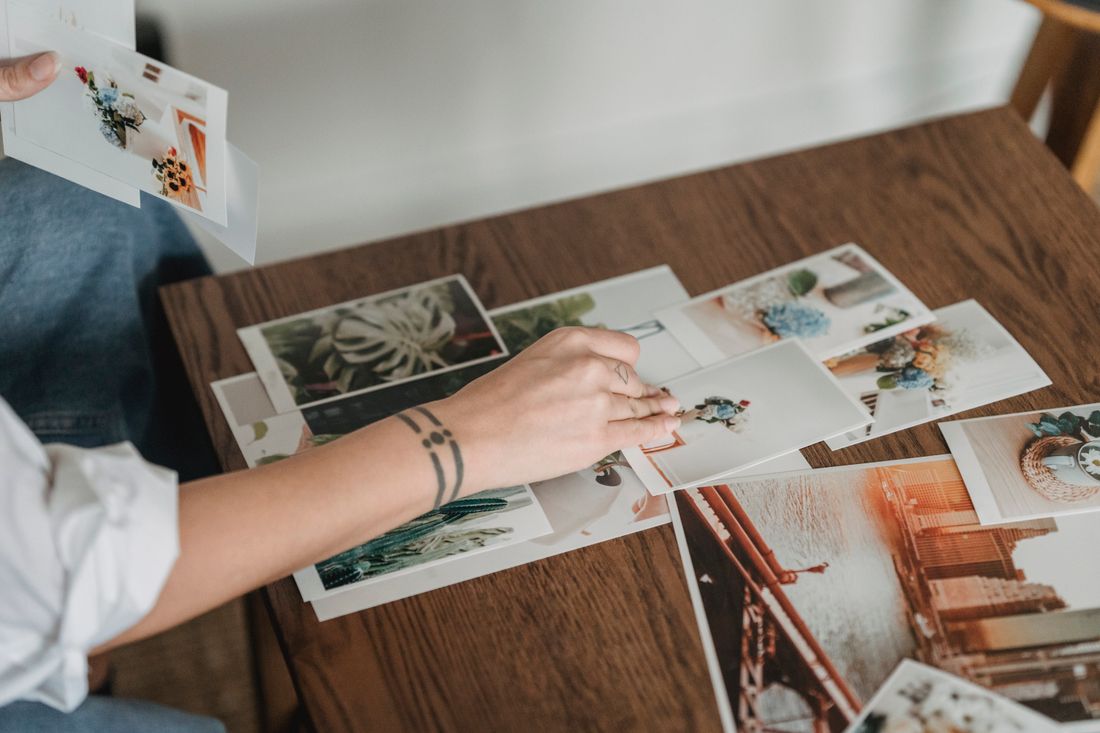
The most useful thing a new photographer can receive is a folder of twenty to thirty images from previous events that the company considers correct — not the best ones, the representative ones. Reference images from the actual archive communicate more in five minutes than any written description of a style.
Mood boards pulled from elsewhere are much weaker here, because they describe an aspiration rather than a standard. The point of this handover is continuity with what already exists, so images from your own past coverage are the only reliable source. If some of them are considered failures, mark those too — knowing what to avoid is half the brief.
Where possible, include a few images that show the range: a stage shot, a candid, a detail, a group photo, a portrait. A style is most visible across categories, and a folder of only keynote shots tells a new shooter almost nothing about how you want a hallway conversation framed.
It is also worth flagging which images in that folder have been used publicly and where. A photograph that has already run on a homepage or in a report carries more weight as a standard than one that simply survived the cull, and knowing which is which tells a new photographer what the company actually reaches for.
Color and Retouching Are the Two Biggest Levers
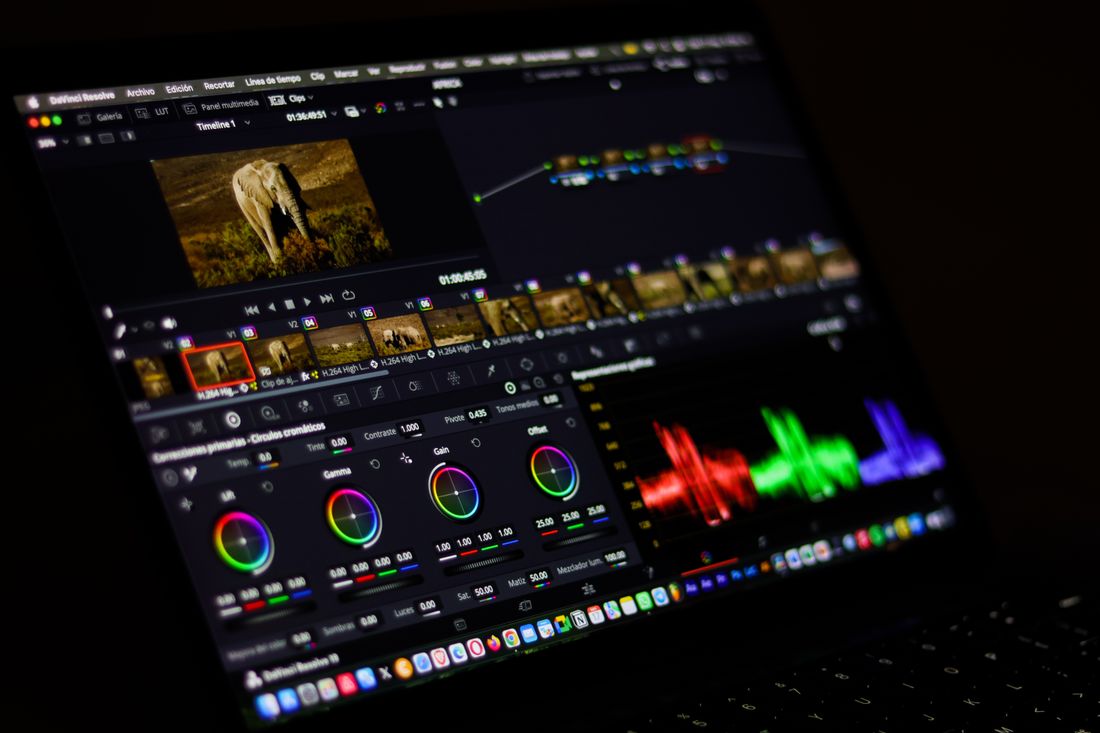
Color grade and retouching level account for most of the perceived difference between two photographers shooting the same room. One shooter's neutral is another's warm; one shooter's standard skin retouching is another's heavy. Neither is wrong, and both are immediately visible when the two sets are placed side by side.
These are easy to specify if someone asks. A new vendor can be told the previous set ran cooler, that black-and-white conversions were never used, that skin retouching stayed light and did not remove permanent features, that logos and signage were never cloned out. Each of those is a one-line instruction that permanently removes a category of mismatch.
It is worth asking for a small sample early rather than waiting for a full gallery. A handful of edited frames from the first event, reviewed before the rest is processed, catches a grade mismatch while it still costs nothing to correct. After a full delivery it becomes a re-edit request, which nobody enjoys.
The Shot List From a Previous Event Is the Cheapest Handover
If a previous photographer worked from a shot list, that document is the single most transferable asset in the relationship, and it is frequently sitting in someone's email. It encodes which moments the company cares about, which people always need coverage, and what has to exist by the end of the night.
Where no list exists, it can be reverse-engineered from last year's gallery in about twenty minutes: what got shot, roughly how many of each, what appears in every recap. That reconstruction is often more accurate than a list written from memory, because it reflects what was actually used rather than what was requested.
Framing conventions belong in the same document. Whether stage shots include the screen, whether group photos are shot at a consistent height, whether logos need to be in frame for sponsor obligations — these are the details that make a set feel continuous, and they are invisible until they are missing.
Match the Delivery, Not Just the Photos
A surprising amount of perceived vendor quality is delivery mechanics: file naming, folder structure, resolution, aspect ratios, turnaround, and how the gallery is shared. A team that has spent two years pulling files from a particular structure will feel the change immediately even if the photos are excellent.
This is worth specifying because it is completely free to match. Ask the new vendor for the same file naming convention, the same folder split between selects and full set, the same delivery timeline, and the same export sizes. None of it constrains their shooting, and all of it removes friction for whoever actually uses the images.
Turnaround expectations deserve an explicit conversation rather than an assumption. Different photographers structure editing differently, and a company used to selects within twenty-four hours will read a five-day delivery as a downgrade even when the final set is stronger. Better to know the schedule at booking than to discover it during a launch week.
Archive continuity matters here too. If previous galleries live in a particular system, having the new vendor deliver into the same place keeps a multi-year library searchable rather than splitting it across platforms, which is the kind of small decision that becomes expensive three years later.
The Handover Conversation Nobody Schedules
Where a relationship is ending on good terms, the single most valuable thing available is fifteen minutes with the outgoing photographer. Not a document — a conversation about the room, the people, the recurring problems, and the things they learned the hard way over several events.
Most photographers are willing to do this, and many will volunteer it if asked plainly. It costs nothing, it is genuinely useful to the incoming crew, and it tends to produce the specific operational detail that never makes it into a shot list: the elevator that requires a key, the executive who leaves at nine, the sponsor who always asks for a photo at the last minute.
Where the relationship ended badly, the equivalent is an internal debrief with whoever staffed the last few events. The same knowledge exists inside the company; it is just distributed across people who have never been asked to write it down. Half an hour of that conversation removes most of the first-event disadvantage.
The One Thing That Doesn't Transfer
A long-running photographer accumulates something no handover captures: they know which executive hates being photographed from the left, which two people should not appear in the same frame, where the loading dock entrance is, which staff member has the room key. That knowledge produced a lot of the quality attributed to their photos.
The honest expectation is that the first event with a new vendor will need more briefing than subsequent ones, and that a few things will be slightly worse for exactly one event. Planning for that — a walkthrough beforehand, an internal contact assigned to the photographer for the day, twenty minutes of context about the people in the room — closes most of the gap immediately.
It also argues for switching at a lower-stakes event rather than at the annual flagship. If there is a smaller quarterly event on the calendar, running the first job there costs very little and means the new relationship arrives at the big one already broken in. Where that is not possible, the walkthrough matters more, not less.
There is a second thing that does not transfer, which is the internal trust that let the previous photographer be in a room during a sensitive moment. That gets rebuilt by showing up rather than by briefing, and it is one more reason to expect the second event to be materially better than the first.
Frequently Asked Questions
How do you brief a new photographer to match your existing photo style?
Send twenty to thirty representative images from your own past coverage rather than a mood board, plus notes on the color grade, retouching level, and framing conventions. Reference images from your actual archive communicate a standard in minutes that a written description cannot. Marking a few images you consider failures is equally useful, since knowing what to avoid is half the brief.
What causes photos from a new vendor to look different even in the same venue?
Mostly color grade and retouching level, followed by crop tightness and flash use. One photographer's neutral is another's warm, and one shooter's standard skin retouching is another's heavy. None of these are wrong individually, but they are immediately visible when two sets appear together on a website or in a report, which is where the mismatch usually gets noticed.
Should you ask a new photographer for sample edits before the full gallery?
Yes. Reviewing a handful of edited frames from the first event, before the rest is processed, catches a color or retouching mismatch while it still costs nothing to correct. Once a full gallery has been delivered, the same conversation becomes a re-edit request. Building that check into the first job is the cheapest insurance in the whole handover.
Is it better to switch photographers at a big event or a small one?
A smaller one, when the calendar allows it. The first job with a new vendor needs more briefing and will have a few rough edges regardless of how good the photographer is, because none of the room-specific knowledge from the previous relationship transfers. Running that first event at a lower-stakes moment means the new crew arrives at the flagship already broken in.
What information about delivery should you give a new photographer?
File naming convention, folder structure, export sizes, aspect ratios, and turnaround expectations — ideally matched to whatever your team is already used to. None of it constrains how the photographer shoots, and all of it removes friction for the people who actually use the files. Turnaround especially deserves an explicit conversation, since editing schedules vary widely between photographers.
Related Reading
Changing vendors this year?
Send us twenty images you consider correct and we'll tell you honestly what we can match and where we would do it differently.
See Event Coverage