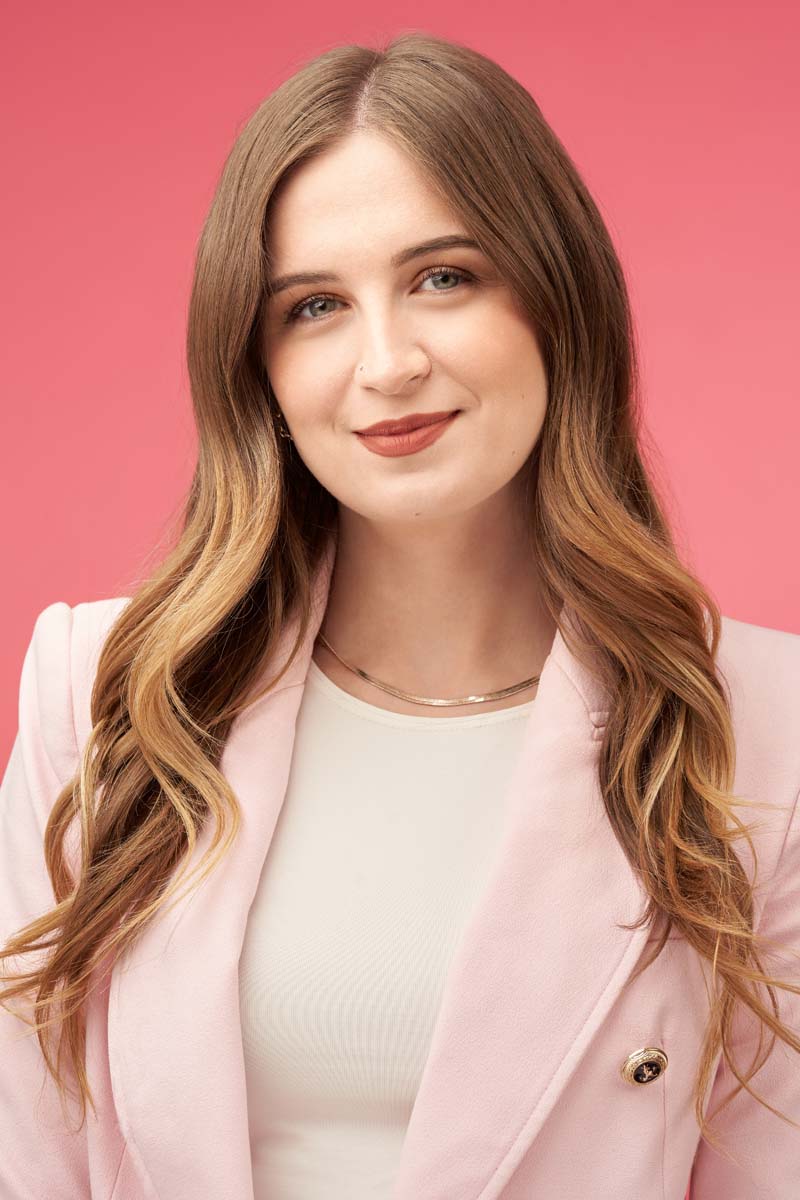
Photo: Core Visuals NYC
A private school's website carries two portraits of the same institution at once. One is the head of school and the board, reassuring a donor the place is well run. The other is the faculty directory, where a parent is quietly deciding whether they'd trust this specific person with their kid. Most schools shoot both the same way and wonder why neither lands quite right.
Private school headshots need two registers in one visit: a warmer, more approachable frame for the faculty directory a parent reads for personal trust, and a slightly more formal one for the leadership and board portraits a donor reads for institutional credibility. Getting both done in a day or two, in term time, means scheduling around the master schedule rather than around a single call time.
Table of Contents
- Why a faculty directory and a leadership page shouldn't look like the same shoot
- Photographing a whole faculty in a day or two, in term time
- Keeping a directory consistent when it's shot in pieces, not all at once
- Timing a headshot refresh around the admissions cycle, not the school calendar
- What wardrobe guidance actually helps a staff that isn't dressed for a boardroom
- The board and development-office portraits that end up in the annual report
- Shooting inside a school that's still in session around you
- A school is a real budget, not an enterprise line item
Why a faculty directory and a leadership page shouldn't look like the same shoot
A school's leadership page and faculty directory sell two different things to two different readers. The leadership page needs to read as institutionally credible, the kind of portrait a donor scans before writing a check. The faculty directory needs to read as personally trustworthy, the photo a parent studies while deciding who spends six hours a day with their child.
Those aren't the same register, even though both sit on the same domain and often share a template. A head of school or a board chair can carry a slightly more formal frame, a plain backdrop, a suit, a level gaze, because the job of that photo is to signal stability and good governance. A third-grade teacher photographed the same way reads as cold, and cold is the opposite of what a parent is shopping for.
The practical fix isn't two separate photographers or two separate days. It's one session with two lighting and posing approaches built in from the start, so the finance office and the fourth-grade hallway don't end up looking like they were shot for different institutions.
Photographing a whole faculty in a day or two, in term time
A school with sixty or eighty staff members can't just clear a week the way a corporate office might. Class periods, lunch duty, recess coverage, and after-school programs all compete for the same narrow windows, and a teacher pulled from a classroom for twenty minutes is a substitute problem, not a scheduling inconvenience.
What actually works is a fixed setup in one bookable room, ideally somewhere the school already uses for something quiet, a conference room, an empty classroom over a free period, run against a sign-up grid built around the master schedule rather than a single call time. Free periods, prep periods, and the stretch before first bell or after dismissal end up doing most of the work.
The volume math still has to be honest. Getting through seventy people in a single day means short, efficient slots per person, which is fine for a consistent headshot but leaves no room for a leadership team that needs a slower, more directed sitting. Those two needs usually get split across separate blocks of the same visit, not the same ten minutes.
Keeping a directory consistent when it's shot in pieces, not all at once
Almost no faculty directory gets built in one clean sitting. A school photographs the staff it has each September, adds new hires in January, replaces a departing teacher in spring, and repeats that pattern every year after. The directory is a living document, not a single event, and it has to look like one shoot even though it's a dozen.
What holds that together is a documented setup, not just a general look. The exact background, the light position, the camera height and lens distance, written down specifically enough that a single new hire in March can be added against the same conditions as the group photographed the previous fall. Guessing at "the same gray backdrop" from memory is how a directory quietly drifts.
This matters more for a K-12 faculty than most workplaces, because staff turnover happens on a school-year rhythm and a directory photo often outlives its subject's current haircut by several years. A repeatable standard is what lets a school add one teacher in October without anyone noticing which photos came from which visit.
Timing a headshot refresh around the admissions cycle, not the school calendar
A private school's website works hardest during a specific window, roughly the months a prospective family is comparing options before an application deadline. A faculty directory that looks dated during that stretch is doing real damage to the admissions funnel, even if nobody on staff notices the photos are stale the rest of the year.
That argues for scheduling a refresh to land before the admissions season ramps up, not whenever a slow week happens to open on the photographer's calendar. Late summer or very early fall, before open houses and tour season start pulling on the same staff, tends to be the practical window, since it's also before the school year's own scheduling crunch sets in.
An annual report and a development mailing usually run on a separate clock from admissions, often tied to a fiscal year or a giving campaign rather than a school year. A school gets more out of one visit if both needs are named upfront, so the same trip covers the admissions-facing directory and the donor-facing leadership portraits instead of two separate bookings months apart.
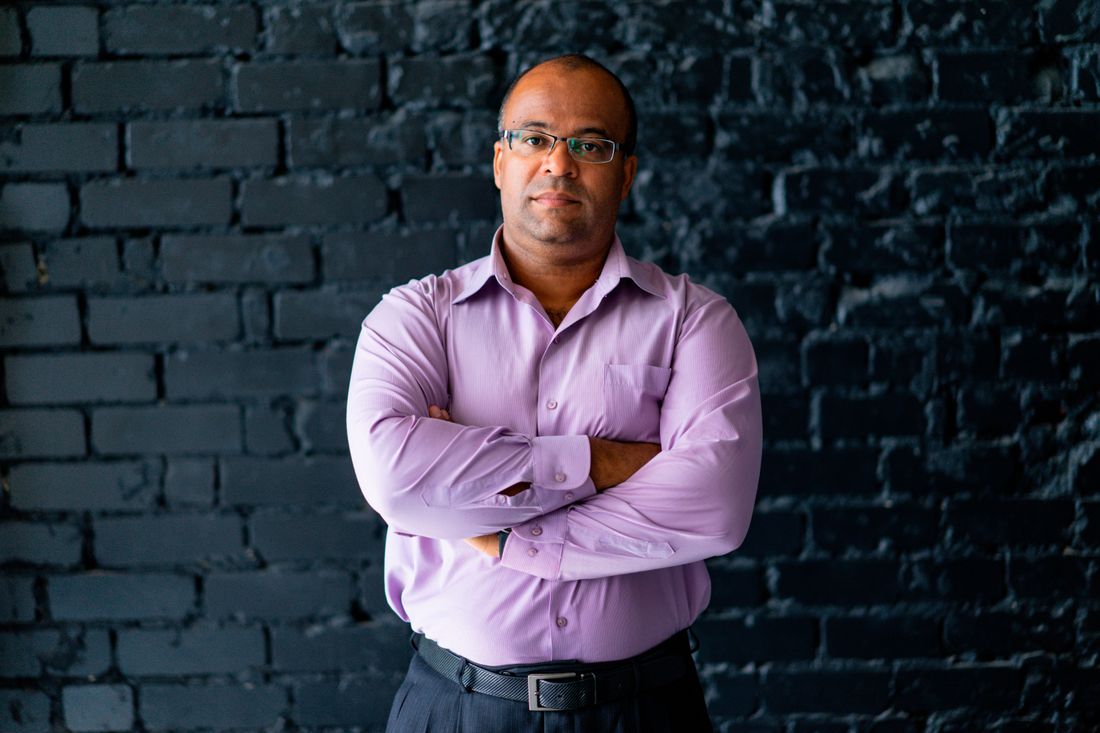
Photo by Atlantic Ambience via Pexels.
What wardrobe guidance actually helps a staff that isn't dressed for a boardroom
Teachers dress for a classroom, not a client meeting, and generic corporate wardrobe advice, solid jewel tones, no busy patterns, blazer required, doesn't map cleanly onto a wardrobe built around standing at a whiteboard and chasing kids at recess. The useful guidance is narrower and more specific to what a camera actually struggles with.
Solid colors photograph more consistently than fine patterns or logos, which matters because a school directory sits fifty faces deep and needs to hold together as a set. Beyond that, the honest note is that most teachers already own something that works, a cardigan, a collared shirt, a simple dress, and the goal is picking that piece rather than buying something new for a fifteen-minute photo.
What doesn't help is sending a corporate style guide built for a law firm to a PE teacher or an art instructor. A short, plain-language note, solid colors, nothing with a busy print, avoid a shirt that matches the backdrop, does more than a formal wardrobe document nobody has time to read between classes.
The board and development-office portraits that end up in the annual report
A school's annual report leans on a small set of portraits that never touch the faculty directory: the head of school, division heads, the board chair, and often development office staff named directly in a letter asking alumni and parents for a gift. Those photos carry more weight per image than almost anything else the school produces that year.
That's a case for a slightly more deliberate sitting than the volume-driven faculty pass, more time per person, a couple of pose and crop options, framing that works both as a small directory thumbnail and as a larger print placement inside the report itself. A board member photographed quickly between meetings tends to look like exactly that.
Bundling this group into the same visit as the broader faculty session is efficient, but it works best when the schedule accounts for it separately, a defined slower block rather than squeezing a board chair into the same five-minute slot as everyone else moving through that day.
Shooting inside a school that's still in session around you
A private school building doesn't empty out for a photo shoot. Classes run on their normal schedule, hallways fill and clear between periods, and a photographer setting up in a conference room or an empty classroom is working inside a building that has its own rhythm and its own rules about who's allowed where.
Practically, that means picking a room that isn't in the flow of foot traffic during passing periods, confirming which spaces are actually free during the hours booked rather than assuming a room is available because it looks empty on a floor plan, and building in a buffer for the inevitable ten minutes lost to a fire drill or an assembly running long.
It also means working within a school's existing policies around visitors and children on campus, since most schools already have a sign-in and escort protocol for anyone on-site who isn't staff. None of this is unusual, but it's different from setting up in an empty office suite on a Saturday, and a session planned for the latter tends to run late in the former.
A school is a real budget, not an enterprise line item
A private school runs on tuition and a development office's fundraising, not a corporate marketing budget, and a headshot session priced for a law firm or an investment bank simply doesn't fit that reality even at a well-endowed school. That's not a reason to cut corners; it's a reason to structure the pricing around what a school is actually buying.
What tends to work is per-person or group-rate pricing tied to a fixed visit rather than a day rate scaled for a Fortune 500 headcount, plus being upfront that a smaller school with fifteen faculty and a larger one with ninety are genuinely different jobs that shouldn't be quoted off the same flat number.
Being honest about that ceiling upfront, rather than discovering it mid-negotiation, is what makes a school comfortable coming back for the next admissions cycle instead of treating the first shoot as a one-time splurge it can't repeat. A repeatable, fairly priced visit beats one expensive session the school can't justify doing again.
Frequently Asked Questions
Should a school photograph faculty and school leadership the same way?
Not quite. A head of school or board chair benefits from a slightly more formal frame, since that photo needs to signal governance and stability to a donor. A classroom teacher needs a warmer, more approachable register, since a parent is reading that photo for personal trust, not institutional credibility. The efficient answer is one visit with two posing and lighting approaches built in, not two separate shoots.
How do you photograph a whole faculty without pulling too many teachers out of class?
Build the sign-up grid around the school's actual master schedule, free periods, prep periods, lunch coverage, rather than asking teachers to find their own gap. A fixed setup in one bookable room, run in short efficient slots, gets through a large roster without turning a photo into a substitute-teacher problem. Leadership and board portraits, which need more time per person, are usually scheduled as a separate, slower block.
When is the best time of year to refresh a private school's headshots?
Late summer or very early fall works best, before open houses and tour season start competing for the same staff time, and before the admissions window when prospective families are actively comparing schools side by side. A dated faculty directory does the most damage during that specific comparison window. If an annual report is also planned that year, naming both needs upfront lets a single visit cover both instead of two separate bookings months apart.
What should teachers actually wear for headshots?
Solid colors photograph more consistently across a large directory than fine patterns or busy prints, and most teachers already own something that works without buying anything new: a cardigan, a collared shirt, a simple dress. A short plain-language note beats a formal corporate style guide, since guidance written for a law firm doesn't translate well to a PE teacher or an art instructor choosing between what's already in the closet.
How much does it cost to photograph an entire private school faculty?
It depends heavily on headcount, since fifteen faculty and ninety faculty are genuinely different jobs, and pricing should scale per person or by group rather than following a flat corporate day rate. A school's budget comes from tuition and development, not a marketing line item, so the honest approach is naming that constraint upfront and structuring a package the school can afford to repeat every admissions cycle.
Related Reading
Booking headshots or a brand video for your team?
Tell us how many people and whether you need photo, video, or both, and we'll send back a fixed price with the volume discount already applied.
See Headshots & Brand Videos