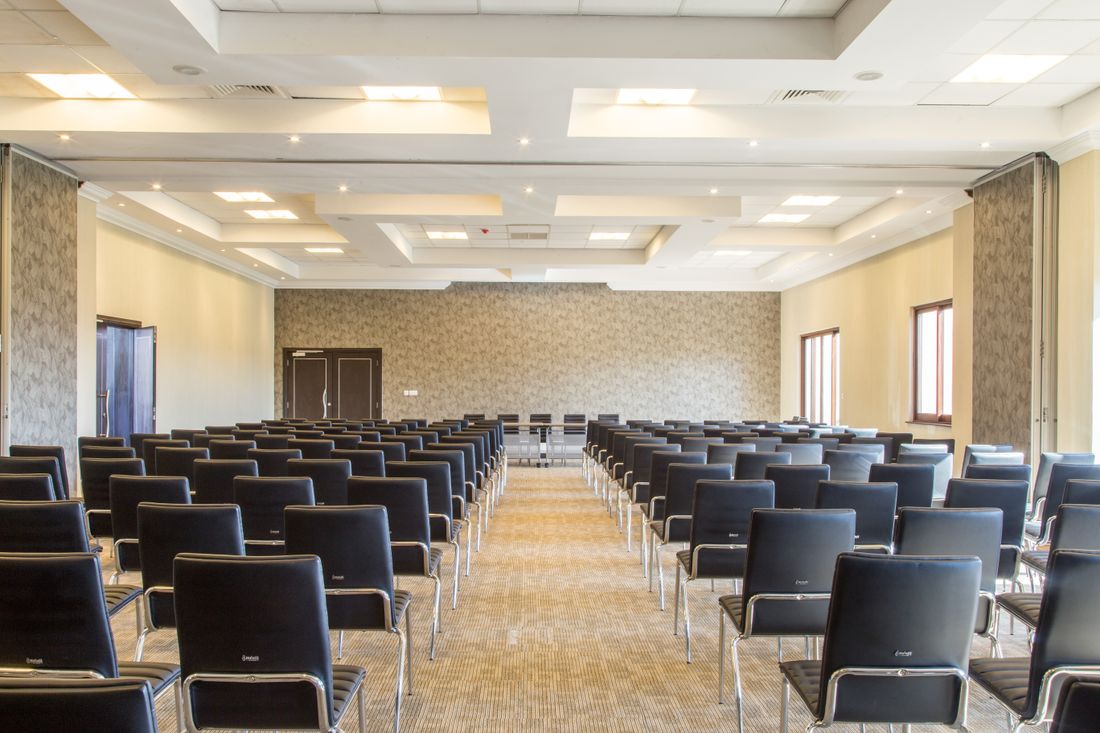
Photo by Skills Media via Pexels.
Ask a conference organizer what “full coverage” means once the agenda splits into six breakout rooms, and the honest answer is: it doesn’t, not with one photographer. Four hours across six rooms is twenty-four room-hours of content and one person to shoot it. That gap isn’t a scheduling failure — it’s arithmetic a route plan can manage. The agenda already flags which rooms produce photos anyone reuses: keynotes, sponsor-branded rooms, press-facing panels. Building the route from those signals turns guesswork into a plan an organizer can approve or push back on.
One photographer can’t physically cover six concurrent breakout rooms — that’s arithmetic, not a planning gap. The fix is a route plan built from the agenda: prioritize keynotes, sponsor rooms, and press-facing panels, name the rooms being skipped, and decide in advance whether a second shooter closes a real gap or the gap is worth accepting.
Table of Contents
- The honest math of one shooter against six rooms at once
- What the agenda actually tells you about coverage priority
- Building a route plan before the event, not during
- What the route plan looks like on the day
- The real trade-off: a second shooter versus accepting the gap
- What a second shooter changes and what it still doesn’t fix
- What to tell speakers in rooms nobody is covering
- When the route plan needs to flex mid-event
The honest math of one shooter against six rooms at once
A single photographer covering a conference with six breakout rooms running at once cannot be in more than one room at a time. Four hours of programming across six rooms is twenty-four room-hours of content, and one person to shoot it. That gap isn’t a planning failure — it’s arithmetic.
Once the arithmetic is on the table, the conversation with an organizer changes. Instead of a photographer trying to visit every room and getting five rushed minutes in each, the honest starting point is: pick which rooms matter, in what order, and accept the rest won’t be shot. That’s not a compromise photographers make quietly and hope nobody notices — it’s a decision an organizer should make with us before the day starts, based on what the photos and video are actually for. A single shooter working an eight-track agenda with no priorities set in advance ends up wandering hallways, guessing which door has something worth walking into. A shooter working from an agreed route plan spends that same time producing images someone will actually use.
What the agenda actually tells you about coverage priority
The agenda is the planning document, not just the printed schedule. It already tells you which sessions matter for coverage: keynotes, anything with a CEO or a headline name, sponsor-branded rooms, and panels tied to a press or investor audience. Everything else is a lower priority by default.
Reading an agenda for coverage priority means asking a different question than “what looks interesting.” It means asking who reuses this afterward. A keynote gets clipped for social and pulled into next year’s sponsorship deck. A single-track breakout on a niche technical topic, attended by twenty people who already know each other, usually doesn’t get reused anywhere — not because it wasn’t valuable to the room, but because nobody downstream is asking for photos of it. Room size, speaker seniority, and whether a sponsor’s logo is on the wall are the practical signals. None of that requires guessing on the day. It’s visible on the agenda itself, weeks before the event, which is exactly when the route plan should get built.
Building a route plan before the event, not during
A route plan is a written order of which rooms get covered, for how long, and in what sequence — built from the agenda before the event, not improvised once doors open. It turns “cover the conference” into a specific, arguable schedule an organizer can approve or push back on.
Building one starts with listing every concurrent session block and marking which room in each block is the priority, using the signals from the agenda: keynote status, sponsor visibility, speaker seniority, expected reuse. Ties get broken by asking the organizer directly rather than guessing — a five-minute conversation before the event beats an argument about missing photos after it. The plan should also name the rooms getting skipped entirely, not just the ones getting covered, so nothing is a surprise later. Once it’s written down, it’s also a document the organizer can edit. Maybe a “lower priority” room actually has the client’s biggest customer speaking, and that only comes up because someone reviewed the plan instead of assuming a photographer would just figure it out.
What the route plan looks like on the day
On the day, a route plan works as a swing-through model: enough time in a priority room to get a usable set — speaker on stage, audience reaction, room-establishing wide — then moving to the next priority room on schedule, not when it feels natural to leave.
Ten to fifteen focused minutes in a room, timed to hit the parts of a session most likely to produce a usable photo (the opening remarks, an audience reaction, a slide that matters), covers more ground than lingering for a full session hoping for something better. The room order matters as much as the time spent in each one — walking into a panel five minutes after it starts, when everyone’s settled and the energy has flattened, produces weaker images than walking in during the first few minutes. None of this replaces judgment in the room. It just means the judgment gets applied inside a plan instead of a wandering search for whatever door looks busiest.
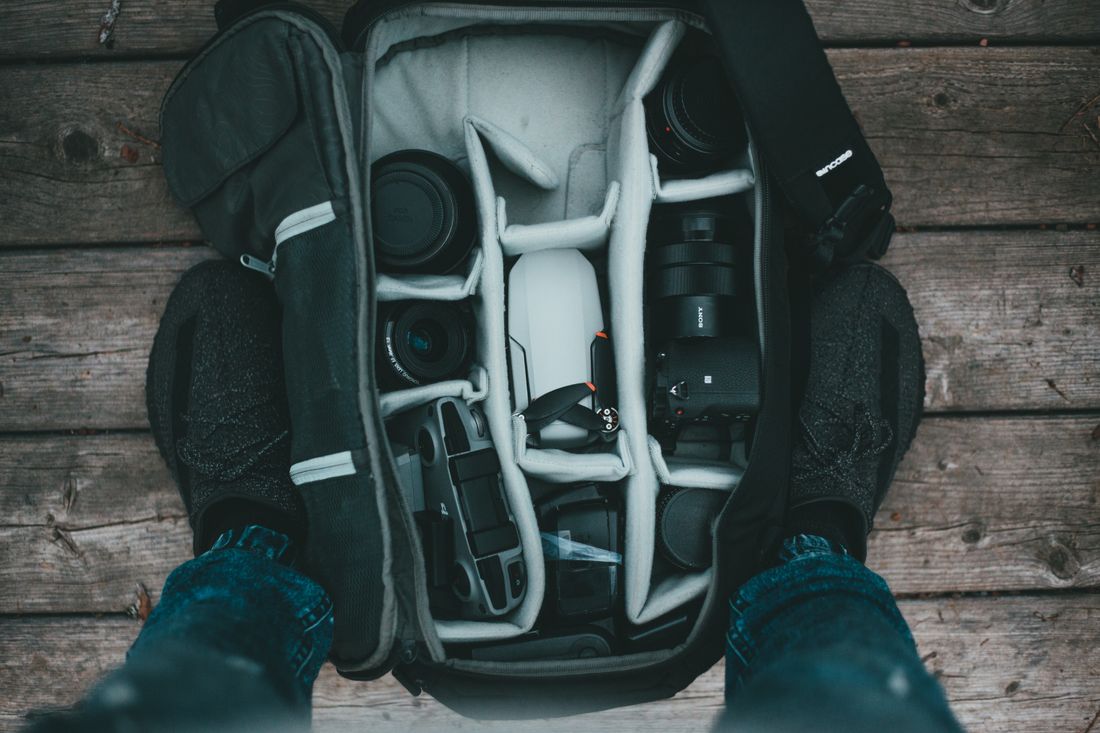
Photo by Erik Mclean via Pexels.
The real trade-off: a second shooter versus accepting the gap
Adding a second shooter doesn’t double coverage — it roughly doubles how many rooms can be prioritized at once, which is different. The real trade-off is straightforward: a second shooter costs more than accepting some rooms go uncovered, and an organizer should make that call against the actual gap, not a vague fear of missing something.
That means the route-plan exercise happens either way, with or without a second person. With one shooter, the plan decides which rooms get skipped. With two, it decides which two rooms get priority at any given time block, and the skipped list gets shorter but doesn’t disappear — an eight-track agenda with two shooters still has six uncovered tracks in any given hour. The honest version of this conversation names the specific rooms a second shooter would add, not a vague promise of “better coverage,” so the organizer is deciding on real trade-offs instead of a general sense that more people with cameras is always safer.
What a second shooter changes and what it still doesn’t fix
A second shooter changes which rooms get covered, not how deep the coverage goes in each one. Two people working a route plan can hit more concurrent sessions in the same time window, but each visit is still a targeted swing-through, not a full-session sit-and-shoot, unless the plan specifically calls for that in one room.
What a second shooter does fix is the worst version of the single-shooter problem: two priority keynotes scheduled in the same slot, or a sponsor room and a press-facing panel both running at 2 p.m. with no way to be in both. That’s the specific, nameable gap a second shooter closes. What it doesn’t fix is an agenda with more tracks than there are shooters — which is most multi-track conferences. The question worth asking before booking a second person isn’t “would more coverage help,” it’s “which two rooms, at which specific times, would otherwise both get missed.” If there’s a clear answer, the second shooter has a job. If the answer is vague, the money is better spent elsewhere.
What to tell speakers in rooms nobody is covering
Speakers and moderators in rooms that aren’t on the route plan deserve an honest heads-up before the event, not a surprise on the day. Tell them plainly: this room isn’t a scheduled stop, but the shooter will swing through if time allows, and here’s who to loop in if they want their own recording arranged.
That conversation is better coming from the organizer or from us directly than from silence the speaker fills in with their own assumptions. Most speakers running an unscheduled breakout aren’t expecting a full photo team anyway — what frustrates people is finding out after the fact that coverage was happening elsewhere and nobody mentioned it. Giving a real answer in advance, even an unglamorous one, reads as more professional than a vague “we’ll try to get to everyone.” If a session lead cares enough to want dedicated coverage, that’s useful information for the organizer, too — sometimes it means the room deserves a second look before the route plan gets finalized, not after.
When the route plan needs to flex mid-event
A route plan is a starting point, not a locked schedule. Sessions run long, a keynote gets bumped to a different room, or a sponsor asks for coverage that wasn’t part of the original agenda — and the plan needs to flex without the whole day falling apart.
The fix isn’t over-planning every contingency in advance; it’s building in short check-in points with the organizer during the day — a quick text after the morning block, a five-minute huddle at lunch — where the plan gets confirmed or adjusted against what’s actually happening. An agenda printed two weeks out is a good draft, not a guarantee, and treating it that way saves an awkward conversation later. Building the route plan around agenda signals rather than a fixed room count also makes it easier to adjust: if priorities are set by “keynote, sponsor room, press panel” instead of “room three, then room five,” the plan still holds even when the physical rooms get reshuffled the morning of the event, which happens more often than anyone printing the agenda expects.
Frequently Asked Questions
How many breakout rooms can one photographer actually cover at a multi-track conference?
There’s no fixed number, because it depends on session length and how far apart the rooms are, not a formula. What matters more is building a route plan from the agenda in advance — prioritizing keynotes, sponsor rooms, and press-facing panels — instead of assuming a shooter can wander between every door and catch something usable in each one. A plan built around priorities holds up better than a plan built around a room count.
Should we hire a second shooter for a conference with breakout rooms?
Only if there’s a specific, nameable gap a second person closes — two priority sessions scheduled in the same slot, for example. A second shooter roughly doubles how many rooms can be prioritized at once; it doesn’t cover an entire multi-track agenda. Before booking one, ask which two rooms, at which exact times, would otherwise both go unshot. A vague sense that more coverage is safer isn’t a strong enough reason on its own.
How do we decide which breakout sessions get photographed?
Read the agenda for reuse signals rather than personal interest: keynotes, anything with a senior speaker or sponsor branding, and sessions tied to press or investor audiences are the rooms whose photos and video actually get used afterward. A smaller technical breakout attended by a handful of specialists is usually a lower priority — not because the session lacks value, but because nothing downstream asks for images of it.
What should we tell a speaker whose room isn’t part of the coverage plan?
Tell them honestly, before the event: their room isn’t a scheduled stop, but the photographer will swing through if the route plan allows, and here’s who to contact if they want their own recording arranged separately. That’s a better conversation than silence a speaker fills in with assumptions. If a session lead pushes back and clearly wants dedicated coverage, that’s useful information worth raising with the organizer before the plan gets finalized.
Can the coverage plan change once the conference is already underway?
Yes, and it should be built to. Sessions run long, a keynote moves rooms, or a sponsor asks for coverage that wasn’t on the original agenda. Short check-in points during the day — a text after the morning block, a five-minute huddle at lunch — let the plan adjust against what’s actually happening. Building priorities around agenda signals like “keynote, sponsor room, press panel” rather than fixed room numbers makes that kind of mid-day adjustment easier.
Related Reading
Not sure if hourly or a package makes more sense for your event?
Tell us the expected length, and we'll run the actual numbers before you book.
See Event Coverage Packages