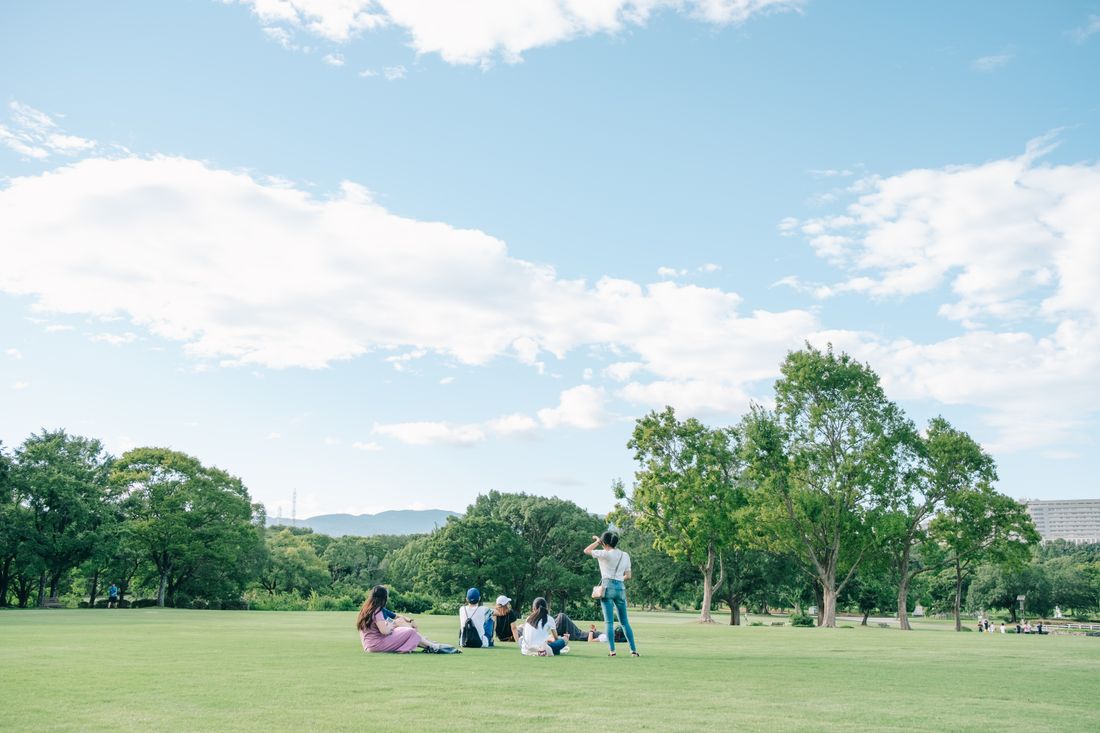
Photo by Brian Phetmeuangmay via Pexels.
Company family day sounds like the easiest event on the corporate calendar to photograph, until the first child walks through the lobby and the shot list you planned for an adult-only office event stops covering half of what's actually happening. Consent works differently with minors on-site. The entertainment can pull the whole gallery toward a birthday-party look if nobody's watching for it. And comms still needs frames that work without a bounce house in them. None of that is complicated once it's planned for. Most of it just never gets planned for at all.
Company family day changes three things about event coverage: the shot list needs a family layer alongside the usual corporate frames, the consent workflow has to account for minors on-site, and the visual direction has to stay closer to a company event than a kids' party, even with bounce houses and face painting in the room.
Table of Contents
- What Changes About Company Family Day Coverage
- How the Shot List Changes When Kids Are On-Site
- How We Collect Parent and Guardian Consent Before the Day
- Keeping the Look Corporate, Not a Birthday Party
- Photographing Kids Without Making the Event About Them
- Handling an On-Site Opt-Out Without Disrupting the Day
- Where Family Day Fits Inside a Normal Workday
- What HR and Comms Actually Reuse From These Photos
What Changes About Company Family Day Coverage
Company family day brings employees' children onto the property for the day, and that one change reshapes the coverage plan: the shot list needs family interaction next to normal company moments, the consent workflow has to account for minors, and the visual direction has to stay closer to a corporate event than a birthday party.
Most companies plan family day as a culture event first and a photography assignment second, which is why the coverage plan tends to get built the week before instead of alongside the invite. We start from the same brief we would use for any employee event, who the photos serve and where they will run, then add two things an adult-only gathering does not need: a consent list broken out by family, and a shot list that separates leadership and workplace frames without children from candid family frames, so comms can pull whichever version fits the channel. Nothing about that split is complicated. It just has to be decided before the first RSVP comes in, not worked out on the lawn while a line is forming for face painting.
How the Shot List Changes When Kids Are On-Site
The shot list changes by adding a family layer on top of the standard employee-event list, not by replacing it. We still need the frames a communications team can use on their own: leadership, workplace culture, recognizable company signage. Family day adds candid parent-and-child moments, sibling groups, and activity-station interaction that a no-kids event never asks for.
In practice we build the list in two columns before the day, one for standard corporate frames and one for family moments, and shoot both across the same window instead of treating family time as a separate assignment. A parent walking a child through the office lobby, a table of employees eating lunch with their kids, a leader crouched down talking to someone else's five-year-old — these read as warm without reading as staged, and they are the frames that end up used months later on a careers page. We avoid the instinct to shoot every child individually like a school picture day. That produces a folder of portraits nobody asked for and misses the actual story of the event, which is families spending a workday together.
How We Collect Parent and Guardian Consent Before the Day
Before a family day shoot, we collect a simple parent or guardian consent list from the event organizer, matched to the RSVP roster, noting which children have a parent or guardian on record declining photography. This is our standard production practice, not legal guidance on what any specific consent process requires for minors.
The organizer usually already has this information from the RSVP form, and our job is to receive it in a usable format before the event starts, not to design the consent policy itself. We ask for a simple opt-out list we can check against name tags or a check-in sheet at the door, plus a way to be told mid-event if someone changes their mind. On-site, that means a quiet word to the shooter rather than a scene at the registration table. Once a name is flagged, we treat it the same way we would treat any employee opt-out: no exceptions, no revisiting it later in the edit to see if a frame slipped through. The organizer owns the policy. We just need it handed to us clearly enough to follow.
Keeping the Look Corporate, Not a Birthday Party
Company family day photos read as corporate, not as a birthday party, when the coverage keeps company branding and workplace context visible in the frame rather than shooting tight on the entertainment. Bounce houses, face painters, and balloon arches are fine as background texture; they should not become the subject of half the gallery.
We frame activities so a lanyard, a branded step-and-repeat, or the building itself stays visible somewhere in the shot, which anchors the photo to the company rather than to a generic party rental catalog. We also keep the color and composition consistent with how the brand shoots its other internal events, rather than switching into a bright, saturated kids-party style for the day. That does not mean the photos look stiff. Genuine laughter and messy hair are exactly what makes family day photos work. It means the entertainment supports the story of a workplace opening its doors to families for an afternoon, instead of becoming a generic party gallery that happens to have a company logo somewhere in frame.
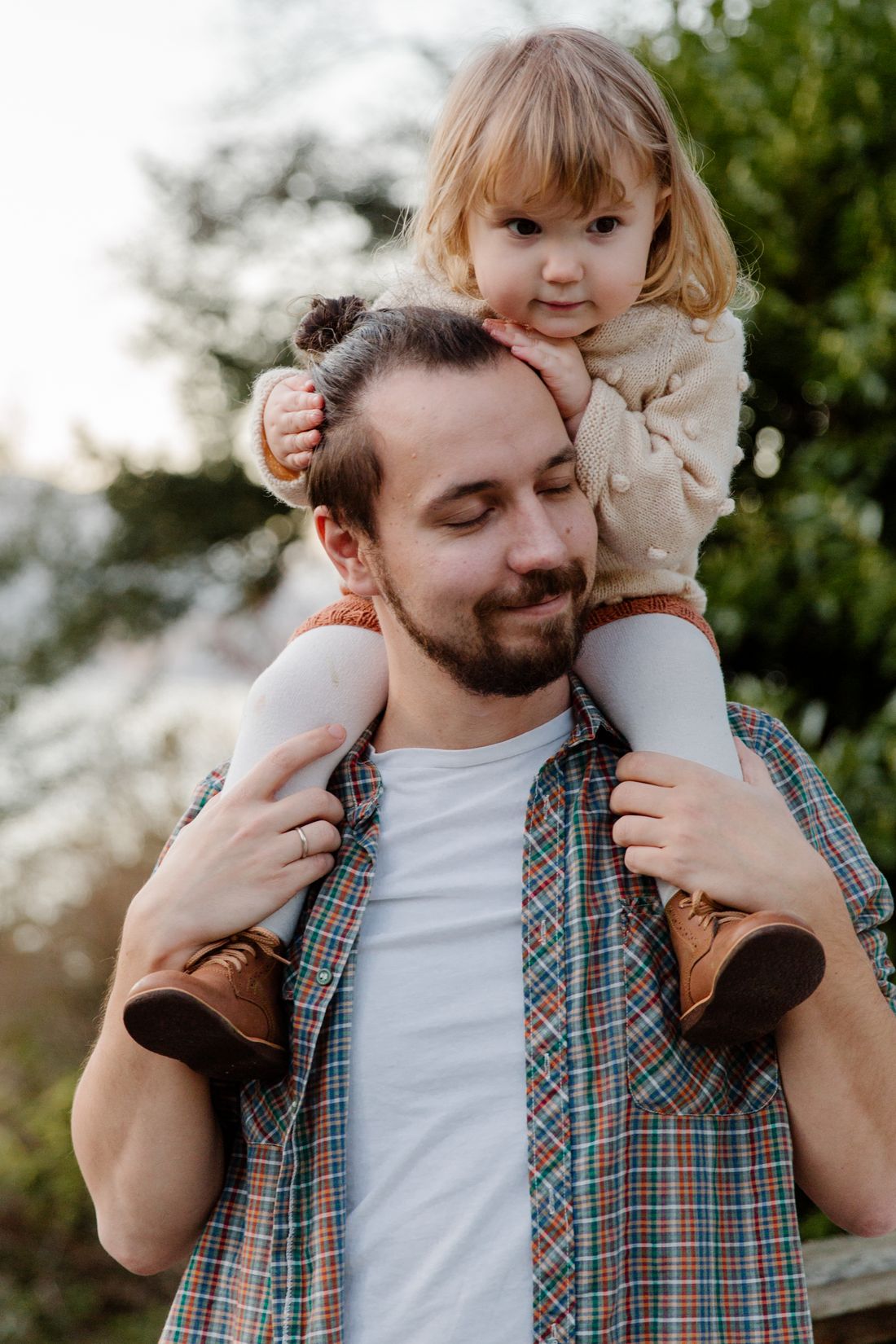
Photo by Tatiana Syrikova via Pexels.
Photographing Kids Without Making the Event About Them
A family day gallery that is only children misses half its purpose, because most of the photos still need to work for a company audience: recruiters, leadership, and employees who did not bring kids. The goal is a gallery where children appear throughout without becoming the entire subject of the day.
We keep a running mental split while shooting: roughly a third of the frames center children and family interaction, and the rest cover the event the way we would cover any employee gathering, leadership presence, employees socializing, the space itself. That ratio holds up well across most family days we have planned for, though we adjust it on-site based on how many employees actually bring kids that year. The practical benefit is a gallery comms can use for more than one purpose: a warm careers-page photo, a normal internal newsletter shot, and a leadership frame, all pulled from the same afternoon instead of needing a second, separate shoot to cover the parts family day left out.
Handling an On-Site Opt-Out Without Disrupting the Day
When a parent or guardian asks on-site not to have their child photographed, the response is the same every time: stop, confirm the name, and pass it to every shooter working the event immediately, without asking why or negotiating the request in the moment.
We treat an on-site request exactly the same as a name that arrived on the pre-event list, just discovered later. The photographer closest to the request handles it directly rather than pointing the parent toward the organizer, because the goal is to resolve it before the family walks away, not after. If more than one shooter is working the event, a quick message goes to the group the moment a new opt-out comes in, so the same child does not end up in a second photographer's frames five minutes later. During the edit, anything flagged gets pulled before delivery, not held back for a client to catch. It is a small workflow step, but it is the one that actually protects the family who asked, and it works the same whether one child opts out or ten.
Where Family Day Fits Inside a Normal Workday
Family day usually runs as a half-day event layered onto an otherwise normal workday, families arriving mid-morning or after lunch rather than the whole company clearing out at once, which means coverage needs to track two different flows instead of one single event window.
We plan the shoot around three loose phases rather than a fixed minute-by-minute schedule: arrival and check-in, when families are still finding their footing and the candid moments are genuinely unguarded; the main block, when activity stations and any planned program are running alongside normal office activity; and departure, when a surprising number of the warmest, most tired-but-happy frames actually happen. Coordinating with the organizer on rough timing for each phase matters more than a tight shot-by-shot schedule, because family arrival times vary more than a standard corporate event's does, and a photographer working from a rigid schedule will miss the real moments that happen in between. We also confirm ahead of time whether the office stays open for normal work during the event, since that changes where cameras can point without wandering into someone else's unrelated meeting.
What HR and Comms Actually Reuse From These Photos
Family day photos get reused longer than most single-event coverage, usually on careers pages, recruiting decks, and internal culture materials that outlive the event itself by months or years, which is why the gallery needs to work outside the context of the day it was shot.
HR and comms teams pull from family day for very specific, recurring needs: a warm, human photo for a careers page that does not look like a stock image, a slide in a recruiting deck about culture and benefits, and internal materials meant to show the company as a place people actually want to bring their families. None of those uses need a photo with a visible face-painting booth or a bounce house filling the frame. They need a photo that could plausibly represent the company on any given day, which is the same reason keeping company branding and workplace context visible throughout the shoot matters. A gallery built with that reuse in mind earns its place in a recruiting deck long after everyone has forgotten which specific afternoon it was taken.
Frequently Asked Questions
What changes about the shot list when a company event brings employees' children on-site?
The shot list adds a family layer on top of the standard employee-event list, rather than replacing it entirely. Alongside leadership, workplace culture, and branded moments, we plan for candid parent-and-child interaction, sibling groups, and activity-station scenes throughout the day. We also split the list so some frames deliberately exclude children, giving comms a version usable in any internal or recruiting context, family day or not, without needing a second, separate shoot later.
How do you collect parent or guardian consent before a company family day?
We ask the event organizer for a simple consent or opt-out list matched to the RSVP roster before the day starts, then check it against name tags or the sign-in sheet once families arrive on-site. This is our standard production practice for handling a supplied consent list, not legal guidance on what any specific minors' consent process should require. The organizer sets the policy; we follow it exactly, every time.
How do you keep company family day photos from looking like a birthday party?
We keep company branding, signage, and workplace context clearly visible in the frame rather than shooting tight on bounce houses or face painting, and we hold the same color and composition approach used for other internal company events instead of switching into a bright, saturated kids-party style. Genuine laughter still comes through in the frames. The entertainment stays background texture, not the subject the whole gallery gets organized around.
Can company family day photos actually be used for recruiting or a careers page?
Yes, and that longer-term reuse is usually the main reason a company invests in coverage at all. We aim roughly a third of the gallery at family and child interaction, with the rest covering the event the way any employee gathering would be covered, so a warm, non-staged photo works on a careers page or recruiting deck without a face-painting booth or bounce house filling the frame.
How many photographers does a half-day company family day event need?
One photographer usually covers a single continuous space well, following families from arrival through the main activity block and on to departure. A second shooter earns its cost when the event runs in more than one area at once, an outdoor activity zone alongside an indoor lobby gathering, for example, so neither space goes uncovered while families move between them at their own pace all afternoon.
Related Reading
Not sure if hourly or a package makes more sense for your event?
Tell us the expected length, and we'll run the actual numbers before you book.
See Event Coverage Packages