Ask a nonprofit development director when their organization's year starts and you'll rarely hear "January." Most run on a fiscal year tied to grants, membership cycles, or government funding, and the board approves next year's budget months before it opens. That single fact changes how a nonprofit should think about booking event photography or video compared to a corporate client with a marketing budget it can move on short notice.
For a nonprofit, the calendar quarter you book in matters less than where your organization sits inside its own fiscal year and board budget cycle. A corporate client can often shift money between line items on short notice. A nonprofit usually can't spend against a line the board hasn't formally approved.
Table of Contents
- Why the Fiscal Year Matters More Than the Calendar Quarter
- How a Nonprofit's Fiscal Year Actually Works
- Where the Board Budget Cycle Creates the Real Bottleneck
- The Signs Your Event Is Chasing an Unapproved Budget Line
- Why Booking Early in the Fiscal Year Works Better Than Late
- What This Means for Gala and Fundraising Season Specifically
- The Budget Question to Ask Before You Call a Photographer
- How We Handle Nonprofit Budget Timing at Core Visuals
Why the Fiscal Year Matters More Than the Calendar Quarter
For a nonprofit, the calendar quarter you book in matters less than where your organization sits inside its own fiscal year and board budget cycle. A corporate client can often shift money between line items on short notice. A nonprofit usually can't spend against a line the board hasn't formally approved yet.
This isn't a knock on how nonprofit finance works. A board approves the year's operating budget once, sets the line items, and staff spend within those limits for the rest of that fiscal year. There's no equivalent of a department head quietly reallocating five thousand dollars from one bucket to another mid-year, the way a corporate marketing team sometimes can. A gala scheduled for the third week of a new fiscal year can move to contract faster than one scheduled in month two of the old one, purely because of which side of the annual approval it falls on. We plan around that distinction with nonprofit clients rather than assuming every organization's budget behaves the way a discretionary corporate account does, and it changes how early we start the conversation about a hold.
How a Nonprofit's Fiscal Year Actually Works
A nonprofit's fiscal year is the twelve-month period its board budgets against, and it frequently doesn't match the calendar year. A large share of nonprofits run July through June, often tied to when major grants, membership renewals, or government funding cycles land. Others run October through September, and some still run January through December.
Treating January as the default starting point is a mistake worth checking before you plan around it. The practical effect of a July-to-June year is that a nonprofit's real "new year" for spending purposes opens in the middle of summer, not on New Year's Day. If your organization runs that cycle, the budget line for a fall gala was likely approved the previous spring, months before invitations go out. That gap between approval and event is exactly where a timing conversation with a photography or video vendor should start, not the week save-the-dates get mailed, and not the week the event itself is finally on the calendar. Confirming which cycle your own organization follows takes one email to finance, and it's worth sending before you start negotiating dates with anyone outside the building.
Where the Board Budget Cycle Creates the Real Bottleneck
The real bottleneck for nonprofit event photography isn't a vendor's calendar. It's that most boards approve the annual budget as a single package, at a small number of meetings a year, rather than authorizing individual line items whenever a staffer happens to request one. Until that meeting happens, a coverage budget can be discussed but not committed.
That means a nonprofit event's real timeline often runs backward from a board meeting date, not forward from the event itself. A gala in October might depend on a board vote in March or April that finalizes the annual operating budget for the year ahead. Development and events staff frequently know the shape of what they'll need well before that vote happens, but they can't issue a purchase order or sign a vendor contract until the number is official. Knowing which board meeting an event's budget rides on tells you more about realistic booking timing than counting weeks before the event date ever will. That backward-planning approach feels unfamiliar to first-time nonprofit event staff, but it becomes second nature once you've been through one full budget cycle.
The Signs Your Event Is Chasing an Unapproved Budget Line
A few signals reliably mean a nonprofit's event budget hasn't cleared the board yet: someone asks us to "pencil in" a rate without a signed agreement, a quote is requested to support an internal board presentation rather than to book, or a contact can't provide a purchase order number even though the event date itself is already set.
None of these are red flags about the client or a sign the event isn't real. They're just the normal shape of a request that's arrived before its funding has. We treat a pencil hold differently from a booked date for exactly this reason, and we say so plainly rather than let a client assume a soft hold carries the same weight as a confirmed shoot with a deposit down. Recognizing these signs early lets everyone plan around the actual constraint, which is board approval, not the vendor's open dates on the calendar. We've also learned to ask directly rather than guess, since a client who feels comfortable naming their actual stage gets a more useful answer back than one who's asked to commit before they're able to.

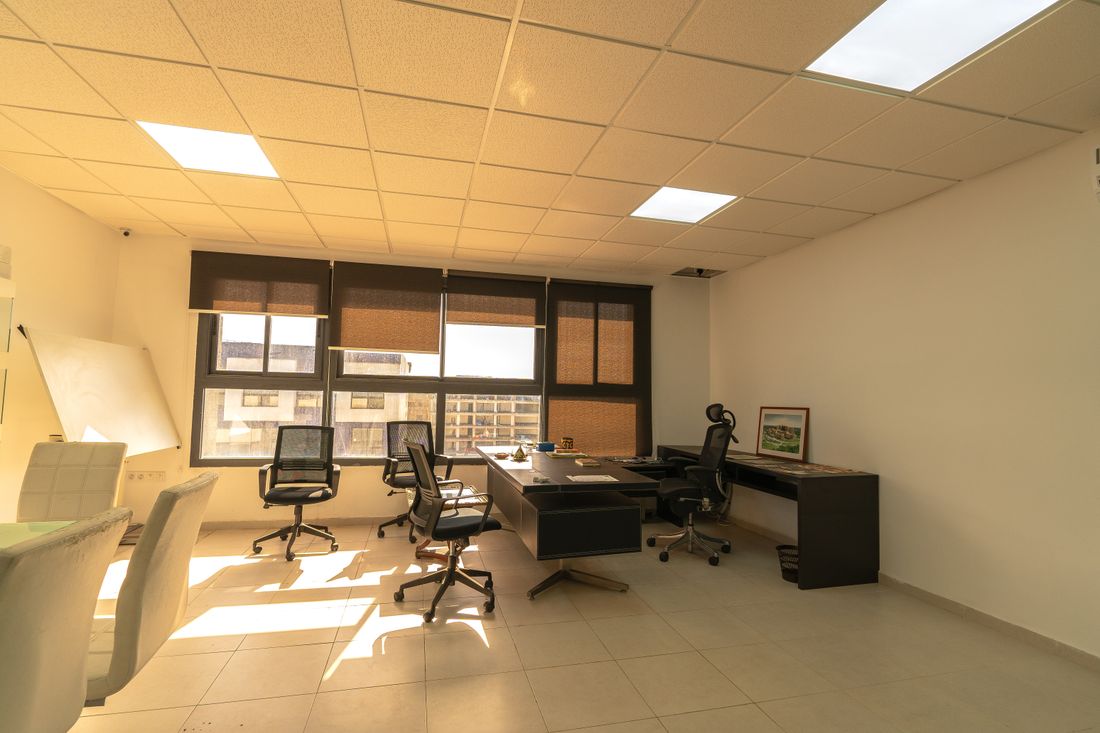
Photo by Darlene Alderson via Pexels.
Why Booking Early in the Fiscal Year Works Better Than Late
An event scheduled early in a nonprofit's new fiscal year is usually easier to lock in than one scheduled late, because the full annual budget line is still intact and hasn't been drawn down by other costs elsewhere in the organization. The same line item that comfortably covers coverage in month one can feel noticeably tighter by month ten.
This is worth raising with your own finance or development team as soon as a new fiscal year's budget is approved, rather than waiting until closer to the event date to check on it. A gala or fundraiser positioned in the first quarter of the fiscal year gives everyone, the nonprofit and the vendor both, a cleaner runway: the money is available in full, the calendar hasn't filled with competing internal priorities yet, and nobody is making a fast decision under a shrinking remaining balance near year-end. We see this pattern play out season after season: the nonprofits that reach out in the first few weeks of a new fiscal year get the calendar flexibility that the ones calling in month nine simply don't have anymore.
What This Means for Gala and Fundraising Season Specifically
Many nonprofit galas cluster in spring and fall, which means a large number of organizations are drawing on a newly approved budget at the same time. That clustering is exactly why the budget-timing conversation with a vendor should start as soon as a line item clears the board, not once invitations are already at the printer.
An organization that waits until a few months before a fall gala to confirm coverage is competing for the same limited vendor calendar as every other nonprofit running the same seasonal cycle, all reaching out in the same narrow window. Starting the conversation the week a board approves the year's events budget, even with a soft hold rather than a signed contract, puts a nonprofit ahead of that seasonal crunch instead of stuck inside it. The date on the invitation matters less than the date the budget became real money, and the vendors booking earliest in that window are rarely the ones scrambling to fill a gala date in September, or turning down a good client because the date only opened up two weeks out.
The Budget Question to Ask Before You Call a Photographer
Before requesting vendor quotes, the useful internal question isn't "what will this cost," it's "has this event's line item been formally approved, and has the fiscal year it's budgeted under actually started." Both answers change what a vendor can realistically hold for you and how firm any quote you receive back can actually be.
Asking that question of your own finance or development lead first, rather than discovering the answer mid-negotiation with a vendor, saves real time on both sides of the conversation. It also lets you tell a vendor honestly where things stand, a pencil hold pending approval versus a fully released budget, which is information we can plan a hold around. A vendor who knows which stage you're actually in can offer a realistic hold instead of a quote that quietly expires while your board still hasn't met to vote on it. It also means fewer surprises later, since a hold set with accurate information rarely needs renegotiating once the board vote finally happens and the real number comes back.
How We Handle Nonprofit Budget Timing at Core Visuals
We hold a proposed date and a quote for nonprofit clients without requiring a signed contract or deposit while a board budget line is still pending approval, because we've seen how often that's the actual constraint rather than plain indecision on the client's side. The date gets fully confirmed once the funding is real.
What we ask for in return is honesty about where things stand: tell us if you need a number for a board packet versus booking a date outright, and we'll structure the hold accordingly instead of treating every inquiry the same way regardless of its stage. That distinction is also why we don't run one blanket policy for every client type. A corporate client with a discretionary marketing budget and a nonprofit waiting on a board vote are working from genuinely different constraints, and the booking conversation should reflect that rather than ignore it entirely. We'd rather hold a date in good faith for a few extra weeks than force a nonprofit client into a contract their board hasn't actually cleared yet.
Frequently Asked Questions
What is a nonprofit's fiscal year, and why does it matter for booking photography or video?
A nonprofit's fiscal year is the twelve-month period its board approves an annual budget against, and it often doesn't match the calendar year. Coverage for an event only becomes bookable with real money once the budget line inside that fiscal year is approved, not simply once the event date is set. Knowing which fiscal year your event's funding falls under tells you more about realistic booking timing than the event date alone does.
Do most nonprofits run a July-to-June fiscal year instead of the calendar year?
A large share of nonprofits do run July through June, often tied to grant cycles, membership renewals, or government funding schedules, but it isn't universal across the sector. Some run October through September, and a smaller group still runs January through December like a typical corporate client. The specific months matter less than confirming your own organization's actual cycle before assuming a calendar-year default applies to your budget and spending.
Should we book coverage before or after the board approves the annual budget?
You can start the conversation with a vendor before formal approval, but a signed contract and deposit typically follow the approval rather than precede it. Requesting a quote or a soft hold early, while being clear that the line item is still pending a vote, is completely normal and lets both sides move quickly once the budget is finalized instead of starting the vendor search from scratch after the board meets.
What happens if we book an event before the budget line is actually approved?
In practice, most vendors will discuss availability and pricing before approval, but committing fully, signing a contract or paying a deposit, before the money is real risks a cancellation or a rescheduling if the board's final number comes in lower than expected. A soft hold that's clearly labeled as pending approval protects both the organization and the vendor better than an early full commitment made on hope alone.
How far ahead should a nonprofit lock in photography for its biggest annual event?
As soon as the relevant budget line clears the board, rather than waiting for a fixed number of weeks before the event itself. Galas cluster heavily in spring and fall, so nonprofits that confirm coverage right after approval avoid competing for the same vendor calendar as every other organization running a similar seasonal cycle. The approval date is a far better trigger for booking than a countdown from the event date.
Related Reading
Trying to put a real budget on photo or video coverage?
Tell us the date, the run time, and what you need delivered, and we'll send back a quote with the line items spelled out.
Get a Quote