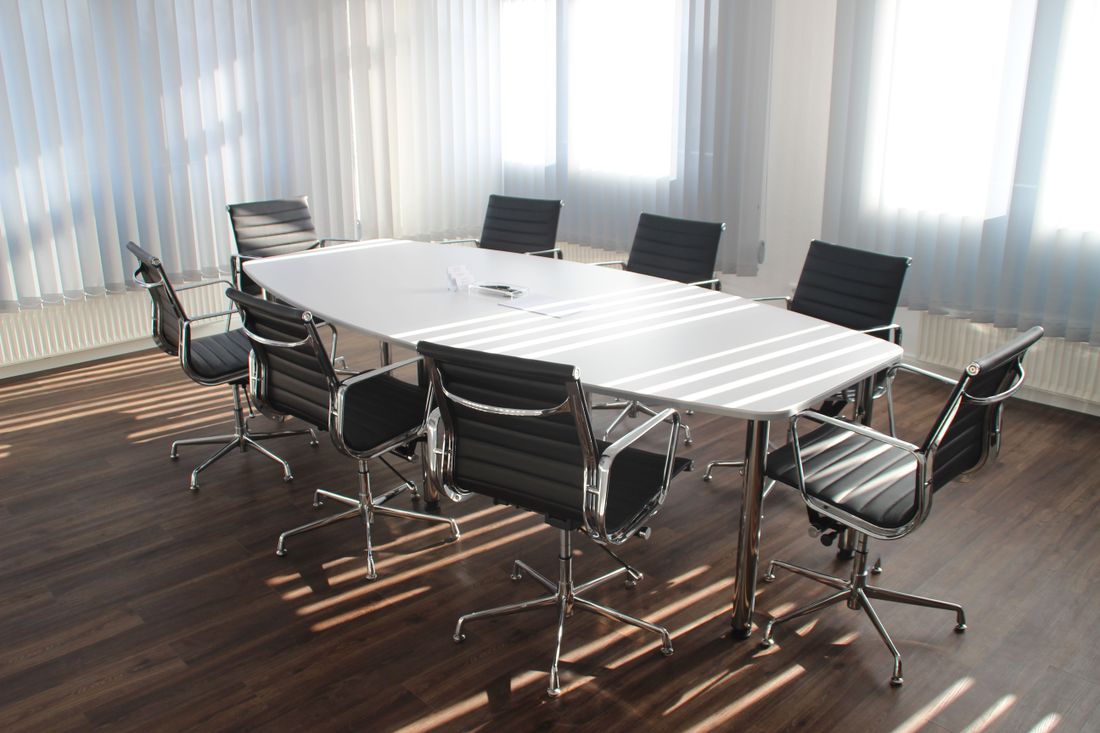
A board retreat gets planned like an offsite and shot like one too, more often than it should be. The agenda might look identical to a staff retreat: sessions, meals, maybe a speaker. But the room behaves nothing like one. Fifteen people gather, most of whom don't work at the company day to day, several of whom carry a public profile of their own outside this one board seat. The whiteboard might hold strategic planning nobody outside that room is meant to see. The conversation might turn closer to a closed-door meeting than a team-building session. Treating that room the way I'd treat a hundred-person company offsite, two shooters, open access, candid coverage of whatever's on the table, misreads what the day actually is. I plan board retreat coverage closer to how I'd approach a client advisory meeting: one photographer, a discretion-first default, and a short, deliberate list of what the day actually needs to produce.
A board retreat needs different photography than a staff offsite: a smaller room of people who mostly don't work at the company, a discretion-first default around whatever's on a screen or table, one photographer instead of a crew, and a short list of real deliverables, a group portrait, individual portraits, and a few honest room shots.
Table of Contents
- Why the Attendee List Changes Everything
- The Discretion Default: Shooting Around Content, Not Of It
- Why This Is a One-Photographer Job, Not a Crew
- What the Annual Report and Governance Page Actually Need
- Scheduling Portraits Into a Day With No Natural Break
- The Closed-Session Rule and Briefing a Crew on When to Leave
- Guest Speakers and Spouses at the Dinner
- Delivery and Approval: Who Signs Off Before Anything Goes Live
Why the Attendee List Changes Everything
A board retreat usually seats well under fifty people, and most of them don't work at the company day to day. Several may hold public roles elsewhere, other executive positions, board seats at different organizations, sometimes a public profile of their own. That mix changes what a photographer is actually documenting, and how carefully.
A staff offsite is built around one organization's employees, all reachable, already visible together in company materials. A board is a room of outsiders who happen to convene a few times a year, several of whom manage their own image independently of this one. In practice, that means less appetite for loose, candid coverage and more attention to who appears in frame, in what context, next to whom. A group photo with a governing board reads differently than a group photo of a sales team; it can end up in an annual report, a governance page, or a press packet with a director's name attached. I plan coverage around that reality from the first call, not as an afterthought once someone flags a director who'd rather not appear in a candid shot.
The Discretion Default: Shooting Around Content, Not Of It
The working assumption on a board retreat is discretion first: whatever is on the screen, the whiteboard, or the table stays out of frame unless someone clears it. A photographer shoots around the content of the room rather than documenting it, a different instinct than covering a team offsite where the whiteboard is often the point of the photo.
That means framing choices most event photographers don't have to make on a typical corporate shoot: a wide shot that keeps a screen out of focus or out of the frame entirely, a tighter portrait that excludes the document sitting in front of someone, a room shot taken from an angle where nothing on the table is legible. None of this requires special access or a signed agreement in advance; it's closer to how I'd behave in a client advisory meeting than at a company town hall. The retreat itself may include strategic planning, financial review, or personnel conversation, and none of that needs to survive in a photograph for the day to be documented well. The goal is a record of the room and the people in it, not a record of what was being discussed.
Why This Is a One-Photographer Job, Not a Crew
A board retreat almost always calls for a single photographer working alone, not a photo and video team or a second shooter added for backup coverage. The room is usually small, a boardroom, a private dining room, a modest meeting space, and every extra body with a camera makes a small group more aware they're being watched, which works against the comfortable coverage the day actually needs.
A staff offsite of a hundred people can absorb two or three shooters without anyone noticing the extra presence. A board retreat can't. In a room that size, a second shooter isn't redundancy, it's another set of eyes every director has to account for, and that changes how people sit, what they say, and how naturally the day unfolds on camera. I plan for one photographer to cover the full arc: arrival, working sessions from the doorway or the back of the room, scheduled portraits, and dinner. That single presence also reads the room in a way a larger crew can't, knowing when to step out, when a shot isn't worth interrupting a conversation for, and when the day calls for putting the camera down entirely.
What the Annual Report and Governance Page Actually Need
Most board retreats need to produce three things photographically: one usable group portrait of the full board, individual portraits of directors either caught candidly or scheduled briefly during the day, and a small set of honest room shots showing the retreat happened without over-explaining what was discussed. That's a shorter list than most staff offsites need, and it's worth planning around directly.
The group portrait is the one non-negotiable image: it's what ends up on a governance page or in an annual report, often for a full year until the next retreat, so it needs even light, everyone actually looking at the camera, and a background that won't read as dated by next spring. Individual portraits matter almost as much, since a director who joined mid-year or never sat for a proper photo often has nothing current on file. Room shots are the lowest-stakes deliverable but still useful, a wide shot of the group working, a candid of conversation over coffee, proof the retreat happened without any content from the actual sessions in frame.
Photo by cottonbro studio via Pexels.
Scheduling Portraits Into a Day With No Natural Break
A board retreat agenda rarely includes a built-in break for photography, so portraits usually have to be scheduled deliberately rather than caught between sessions. The realistic options are a short window before the first session starts, a slot carved out of a scheduled break, or individual portraits taken as directors arrive and depart rather than as one group event.
I ask for five minutes on the agenda, not an open-ended block, because a retreat's timeline is already tight and nobody wants photography to be the reason the day runs long. A group portrait works best gathered right before the first session, when everyone is already assembled and dressed for the day rather than scattered afterward. Individual portraits are more flexible and can happen in a corner of the room during a natural lull, a coffee break, or the gap before dinner starts. The honest answer is that this takes coordination with whoever runs the agenda, usually a corporate secretary or an executive assistant, and it works far better when that person is looped in before the retreat starts rather than asked to find five minutes on the day itself.
The Closed-Session Rule and Briefing a Crew on When to Leave
Board retreats often include closed sessions, portions of the agenda where only directors, or only directors and a specific executive, are meant to be in the room. A photographer needs to know exactly when those sessions start and stop, and the simplest way to handle it is a written note on the agenda rather than a verbal reminder mid-retreat.
I ask for the agenda in advance specifically to flag closed-session blocks, and I treat any unmarked but sensitive-sounding segment, an executive session, a compensation discussion, anything closed-door by convention, as a cue to check rather than assume it's open. Leaving a room during a closed session isn't a disruption, it's expected, and building it into the schedule ahead of time means it happens quietly rather than becoming an awkward moment where someone has to ask a photographer to step out. This is also where a single photographer helps: one person leaving a room draws far less attention than a crew of two or three quietly filing out mid-conversation. The same rule applies to any conversation that turns sensitive without warning; the default is to step back first and ask questions later.
Guest Speakers and Spouses at the Dinner
Board retreat dinners often bring in people who weren't part of the working sessions: a guest speaker, spouses or partners, sometimes a former director or honoree. That shift changes the tone of the coverage from working-meeting discretion to something closer to a social event, and it's worth planning for as a distinct part of the day rather than an extension of the boardroom coverage.
The discretion default doesn't disappear at dinner, but it loosens. Guests who weren't in the closed sessions generally carry less sensitivity around being photographed, and a dinner is naturally a more relaxed, candid setting than a working session. I still check names in advance when I can, since a guest speaker or honoree is often someone worth a few individual frames beyond the wide room coverage, and it's easier to know that walking in than to guess from across a dinner table. Spouses and partners are usually happy to be included in a few candid frames but rarely need individual portraits, and I default to asking rather than assuming anyone at the social portion of the evening wants to be photographed at all.
Delivery and Approval: Who Signs Off Before Anything Goes Live
Board retreat photography almost always needs a sign-off step before anything reaches a website or annual report, and it's worth naming who that person is before the retreat rather than after delivery. Usually it's a corporate secretary, a chief of staff, or a communications lead, not the photographer, and not any individual director.
I deliver a full gallery to that one point of contact rather than publishing or distributing images directly, since a director might object to a specific frame for reasons that have nothing to do with photo quality, an off day, a side conversation caught mid-sentence, timing that conflicts with something unrelated to the retreat itself. That review step is routine, not a sign anything went wrong, and building time for it into the delivery timeline avoids a rushed decision right before an annual report deadline. I also flag any frame I'd personally hold back, a screen that's partially legible, a whiteboard caught in the background, so the reviewer isn't the only check on discretion. Final publication decisions, and any question of who needs to clear what, stay with the client's own team, not with me.
Frequently Asked Questions
How many photographers does a board retreat need?
Usually just one. Board retreats typically involve a small group in a small room, and a second shooter adds a presence people have to account for without adding much coverage a single photographer can't get alone. I plan for one person to cover arrival, working sessions from the back of the room, scheduled portraits, and dinner, stepping out during any closed session rather than adding a crew that makes a small room feel more watched than it needs to.
What should a board retreat photographer avoid photographing?
Anything legible on a screen, whiteboard, or document on the table, since board retreats often involve strategic, financial, or personnel discussion that doesn't need to survive in a photo. The safer approach is framing around content rather than avoiding the room entirely, a wide shot with a screen out of focus, a portrait that excludes the papers in front of someone. When in doubt, the photographer should default to discretion and confirm rather than assume something is fine to include.
When should portraits be scheduled during a board retreat?
Board retreat agendas rarely include a built-in break for photography, so portraits need a deliberate slot. A few minutes before the first session starts works best for the group portrait, since everyone is already assembled. Individual portraits are more flexible and can happen during a scheduled break or the gap before dinner. This works best when arranged with whoever runs the agenda, usually a corporate secretary or executive assistant, before the retreat rather than found on the day itself.
How does a closed session affect photography coverage?
During a closed session, only directors, or directors and a specific executive, are meant to be in the room, and a photographer should leave when one starts. The agenda should flag these blocks in advance so the photographer knows exactly when to step out rather than guessing from tone or subject matter. Any unmarked but sensitive-sounding segment, like an executive session or compensation discussion, should be treated as closed by default until confirmed otherwise.
Who approves board retreat photos before they're published?
Typically a corporate secretary, chief of staff, or communications lead, not any individual director and not the photographer. A full gallery should go to that one point of contact for review before anything reaches a website, annual report, or governance page, since a director might object to a specific frame for reasons unrelated to photo quality. Building that review time into the delivery timeline avoids a rushed decision close to a publication deadline.
Related Reading
Not sure if hourly or a package makes more sense for your event?
Tell us the expected length, and we'll run the actual numbers before you book.
See Event Coverage Packages